All the practical info you need to know in order to self-drive around Zambia`s South Luangwa and Lake Malawi
Zambia and Malawi are two landlocked countries located in Southern Africa. The reason we combined these two in a single trip was that the main areas of interest in both of them were close enough to drive and this way was more economical. We focused on doing safari in Zambia ( South Luangwa National Park ) and then we drove to Malawi ( Cape Maclear ) where we did sightseeing and village visits and tried to connect with the locals.
Before we move on with the article, I would like to point out some information that I believe is important.
Firstly, despite the poverty rate, both countries are expensive for foreigners. When we talk about Western standards, they come at a price. Here we include 4×4 car rental, accommodation, supermarket goods and so on. Take that into consideration.
Secondly, despite its lack of popularity, Zambia is actually a really good and diverse safari destination. It also makes a good starting point for beginners: there is network coverage almost everywhere ( including in South Luangwa National Park ), the infrastructure is decent by African standards, it is easy to navigate in and around the parks and it is fairly easy to book camping sites and accommodation. It is way easier than Botswana, for instance.
Last but not least, safety is good in both countries, as long as one follows the basic common sense. People are really friendly in both countries, but Malawi is way more crowded overall.
Getting there
The best way to get in any of the two countries is obviously by plane. The capitals Lusaka and Lilongwe are two of the main airports. It probably depends where are you coming from and the time of the booking, but in our case, we discovered that the flights to Lusaka were way cheaper than the flights to Lilongwe. Zambia can also be reached via Victoria Falls ( Zimbabwe ) and then Livingstone.
Visa
It obviously depends on each nationality. However, Zambia allows visa-free entry for citizens of over 160 countries, including the United States, United Kingdom, Canada, Australia, the European Union, and most Commonwealth or SADC nations. Romania, being part of the European Union, is visa free.
For Malawi the situation is a bit different, allowing visa-free entry for citizens of only 79 countries—including the US, UK, some EU member states, China, and Canada. We, as Romanians, had to do the E-Visa before hand. You can check your eligibility for E-Visa here.
In our case, for a single entry visa with an ordinary passport, the cost of the visa was 50 $ per person and the processing time was up to 5 days ( but we got both visas in a bit more than 24 hours ). The additional documents required: recent photograph, passport copy, covering letter from the host in Malawi (Must be signed by Host – we asked the hotel to provide that )and covering letter from Agent or Accommodation booking (Must be signed by Agent- we asked our rental car company to provide that ).
VERY IMPORTANT: The Travel document should be valid for 180 days and bear at least 2 blank pages.
!However, always double check you particular visa free status on official websites, such as the one of the Ministry of Foreign Affairs of your country!
When to go
The best time to visit Zambia is during the dry season which runs from May to October. These months are perfect for wildlife viewing and offer pleasantly mild daytime temperatures – although September and October do get extremely hot. You can check out more weather details here.
The best time to visit Malawi is also during the drier months from early May to late October. This is a cooler time of year with sunny days, pleasant evenings, and perfect temperatures. The winter period of this season can be chilly in the north of the country, but down on the shores of Lake Malawi you can expect warm, dry days and great balmy weather. More details about the weather here.
Getting around: car rental
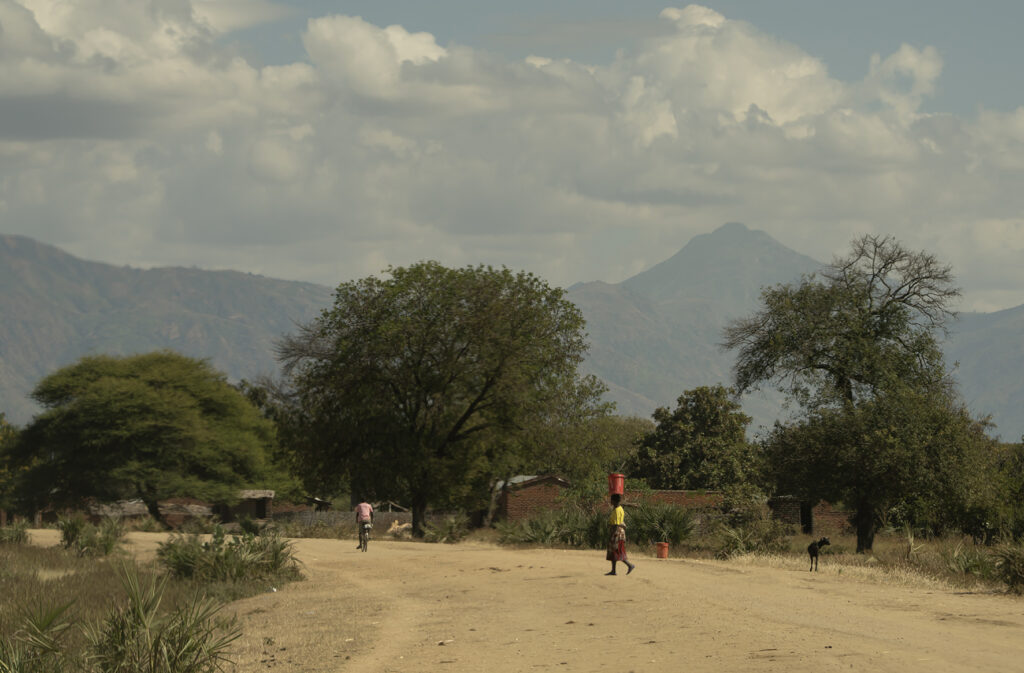
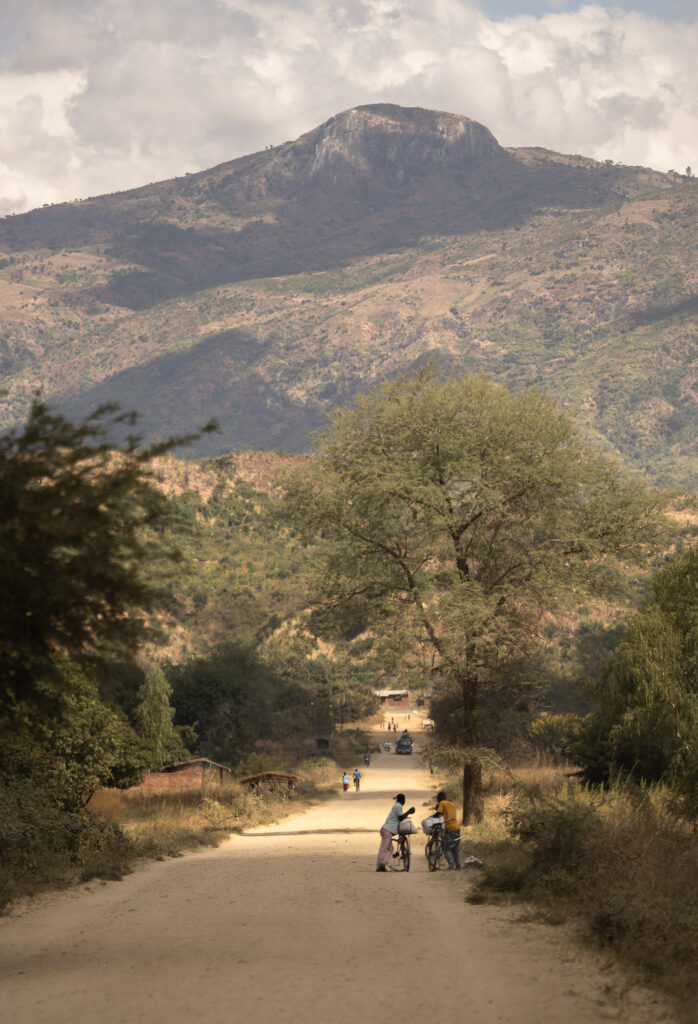
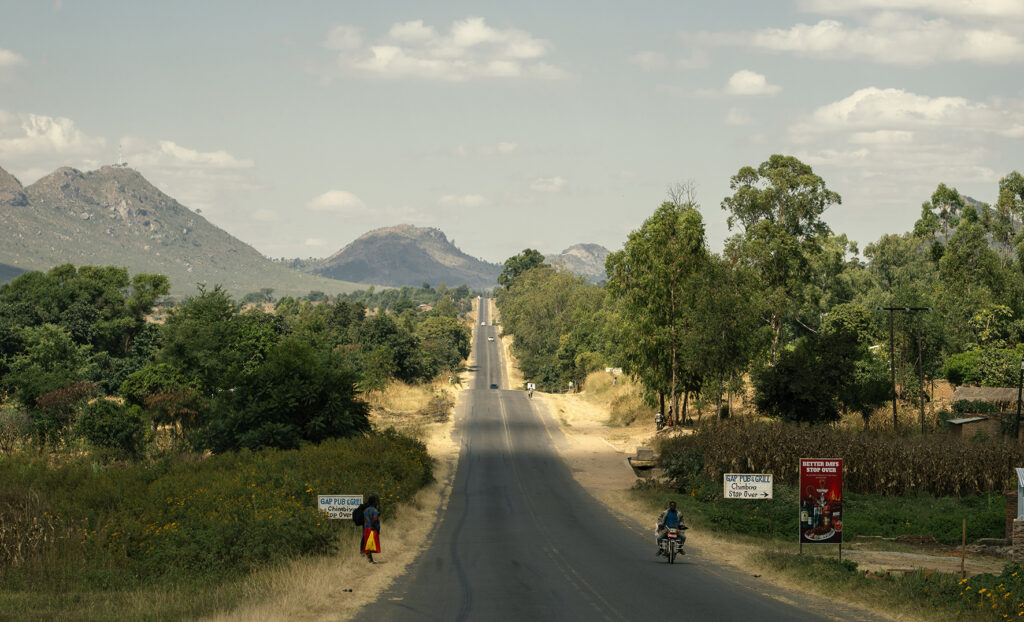
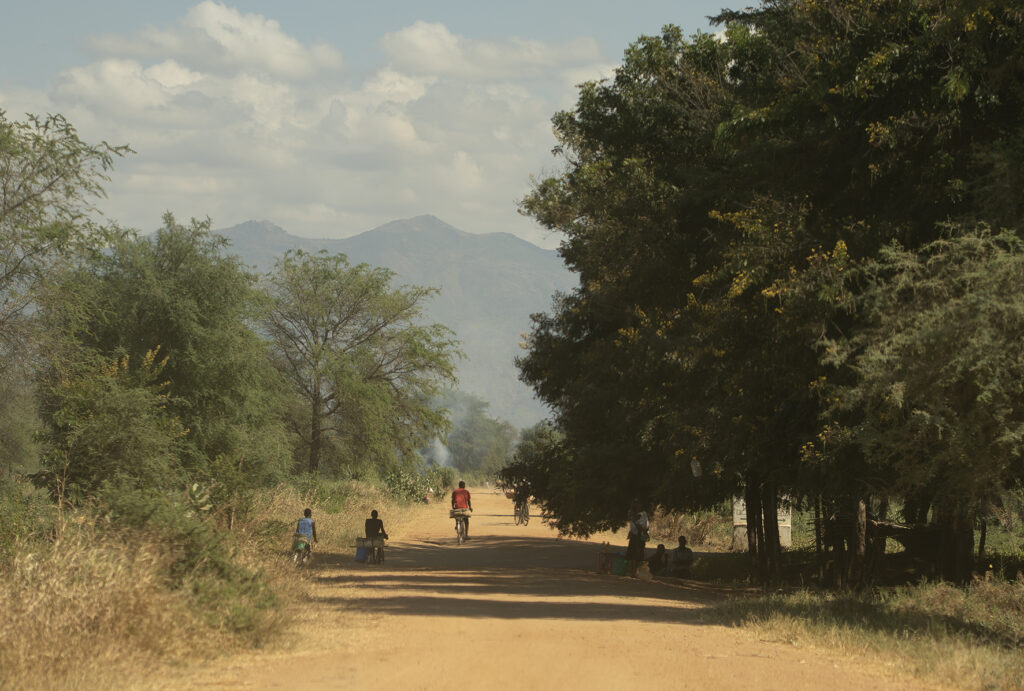
As described in the title, we self drove around Zambia and Malawi. Zambia makes a good starting point for going on your own in Africa: the infrastructure is fairly good, driving in South Luangwa NP is easy if you go during the dry season ( no sand, no water crossing etc ) and there is network coverage most of the time, including in the park. Malawi is a bit more chaotic, but still doable. Malawi is a very crowded country, by default, so the roads are super busy and there are a lot of people and domestic animals on the side of the roads. But if you take things slowly and drive carefully, there is no issue.
From our experience, it was cheaper and easier to find a rental car company in Zambia ( as opposed to Malawi ) so we preferred to do the trip from Lusaka to Malawi and back. Just for reference, take into account that, apart from South Africa and Namibia, the rental cars are generally expensive in Africa. Also, bear in mind that,generally, in this part of Africa, you will need to book the car a few months in advance, especially if the rental period is during the peak season. ( For example, when we were looking for rental options in Malawi, all the cars were sold out in November for a rental in May )
Anyway, after extensive research we discovered a super nice company – The Wild Life Africa – that we could rent the car from and who helped us with all the paperwork. They are super responsive and friendly and the prices are good for this area. They are flexible as well and can provide discounts if you pay a bigger advance payment well in advance. I haven`t found a single bad review about them, and you can check out the reviews yourself on Google Maps or Trip Advisor.
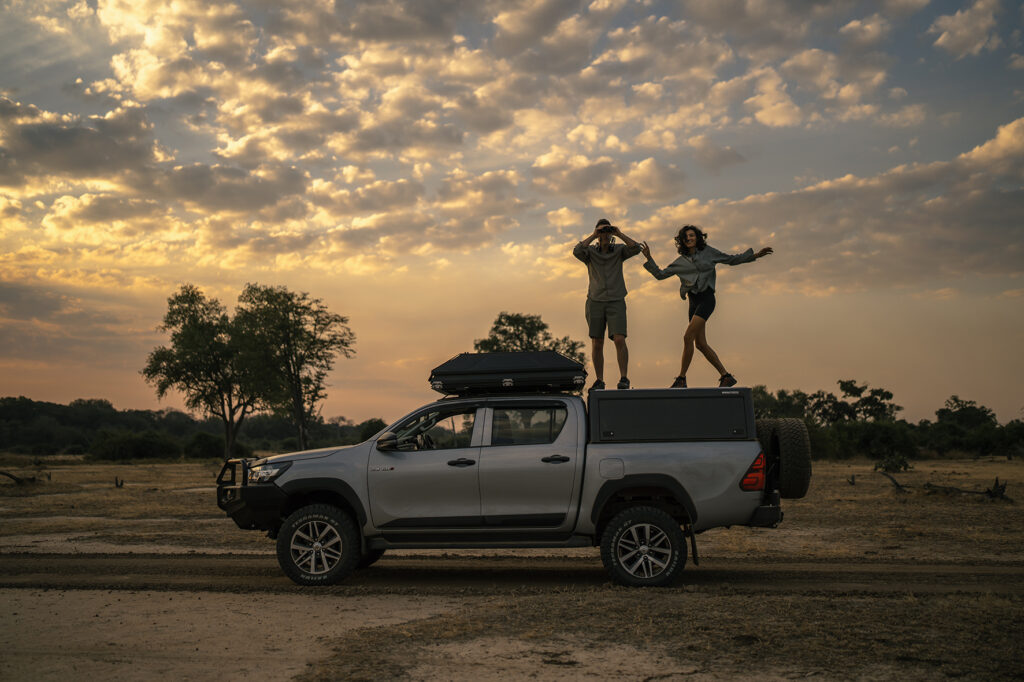
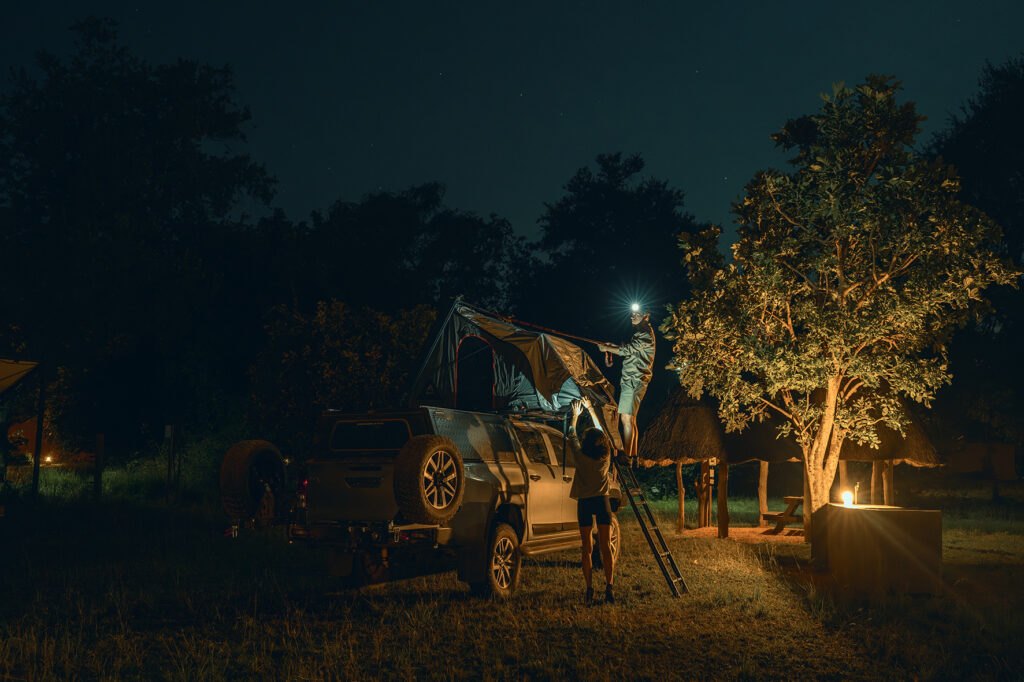
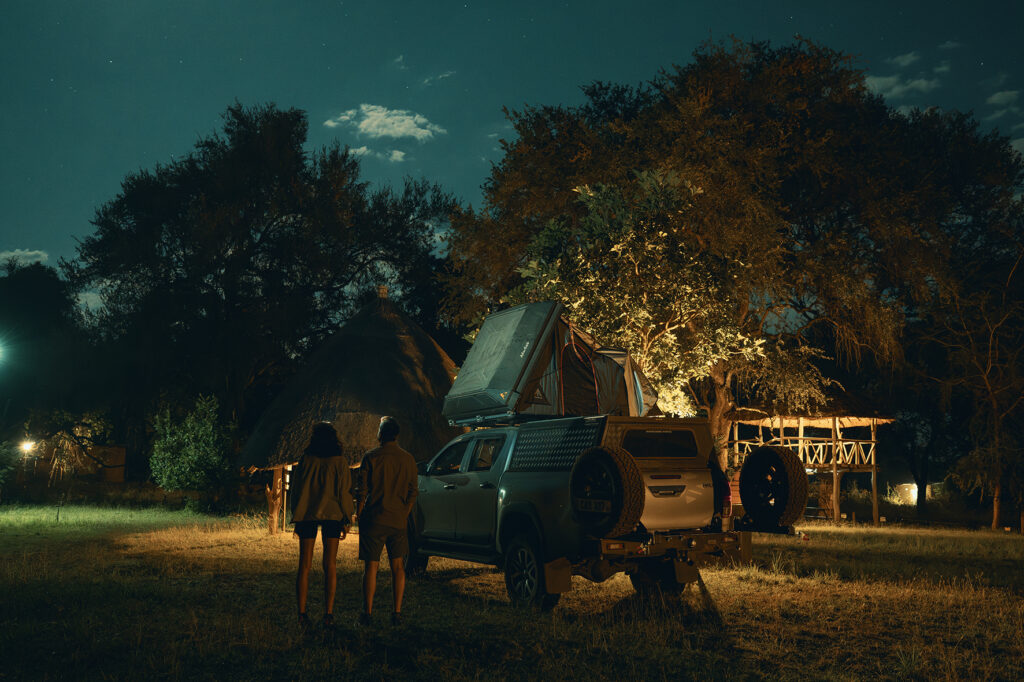
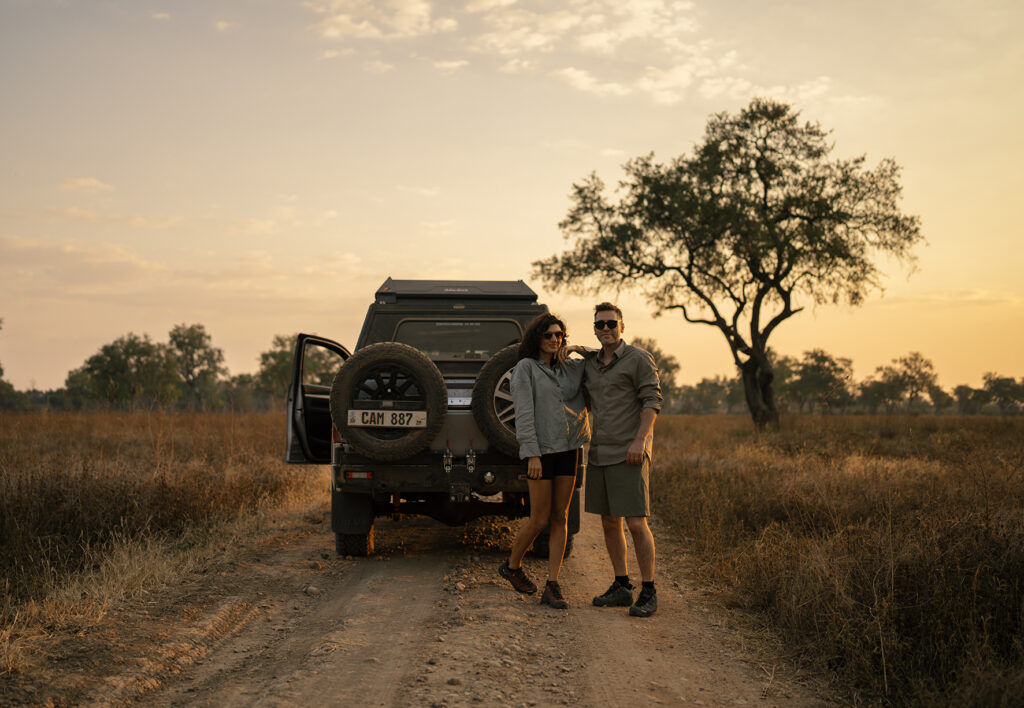
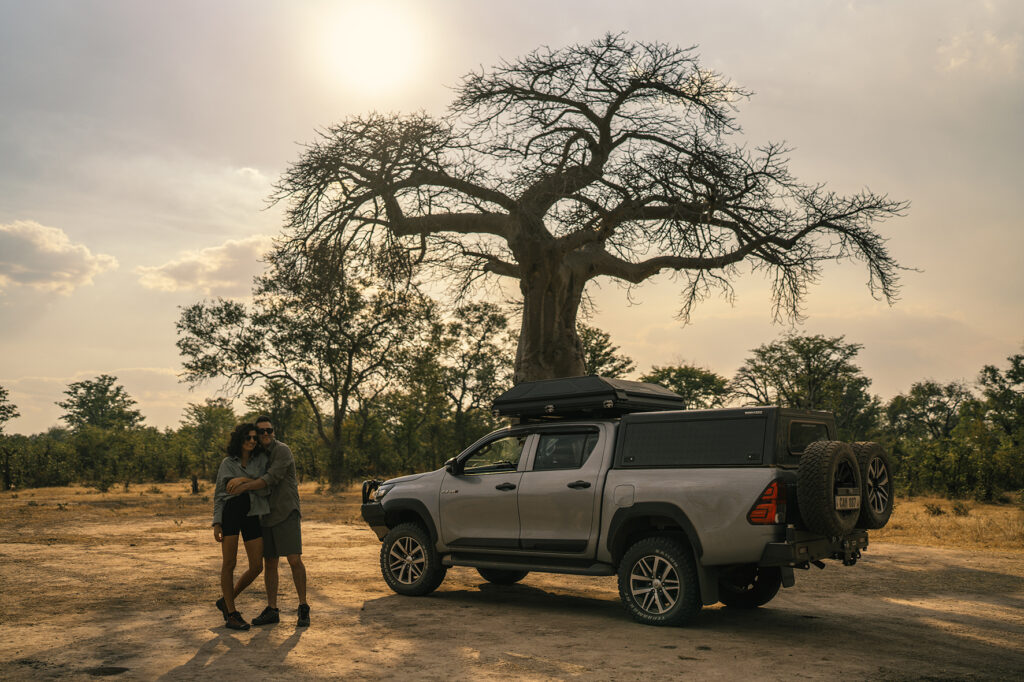
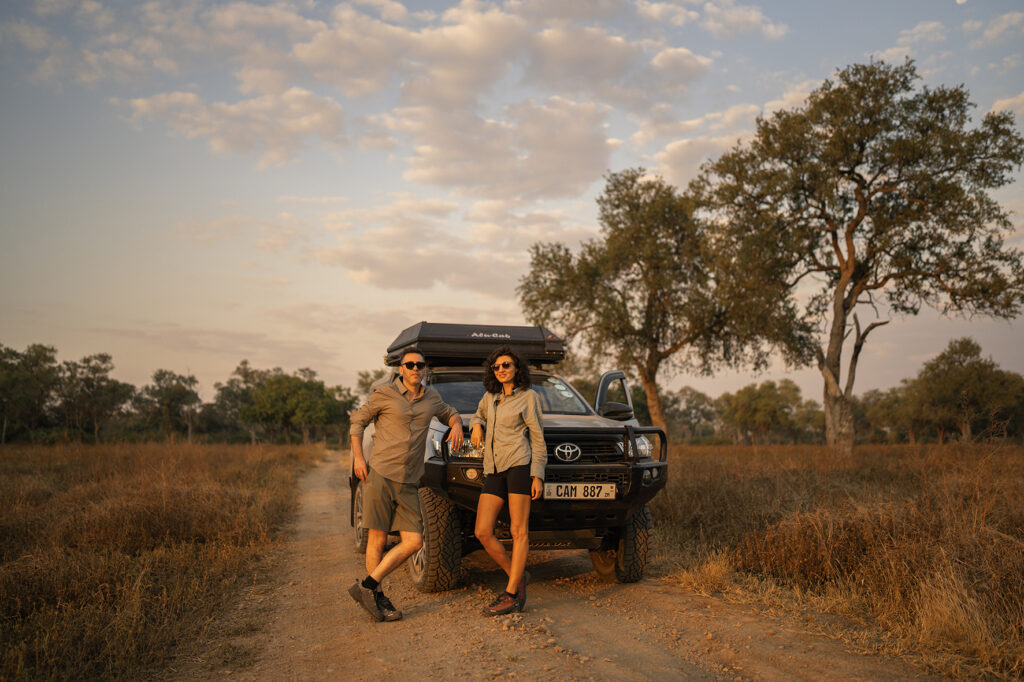
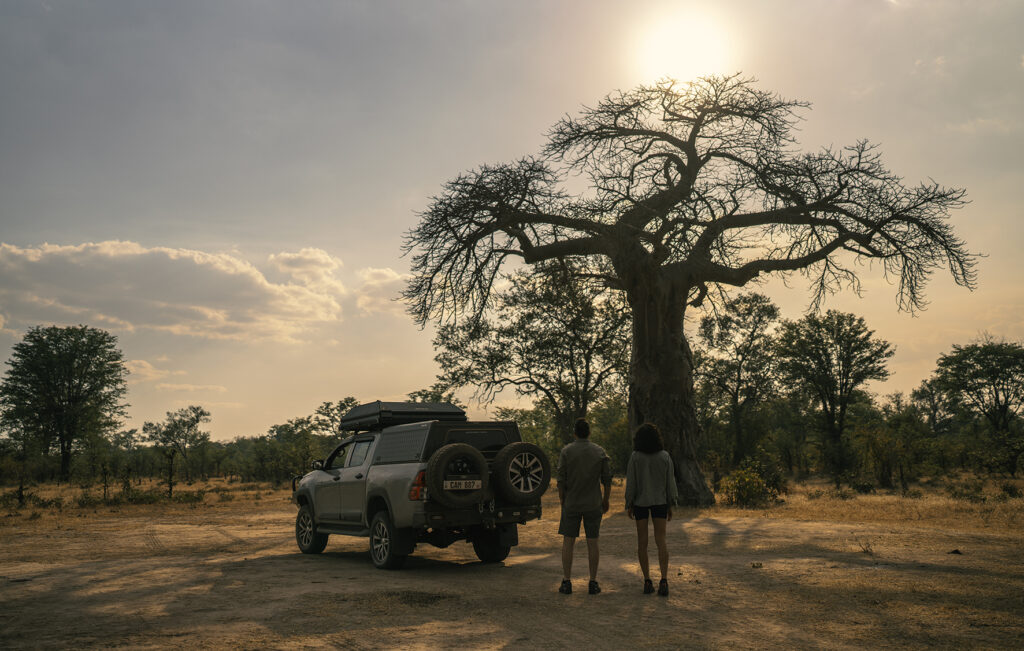
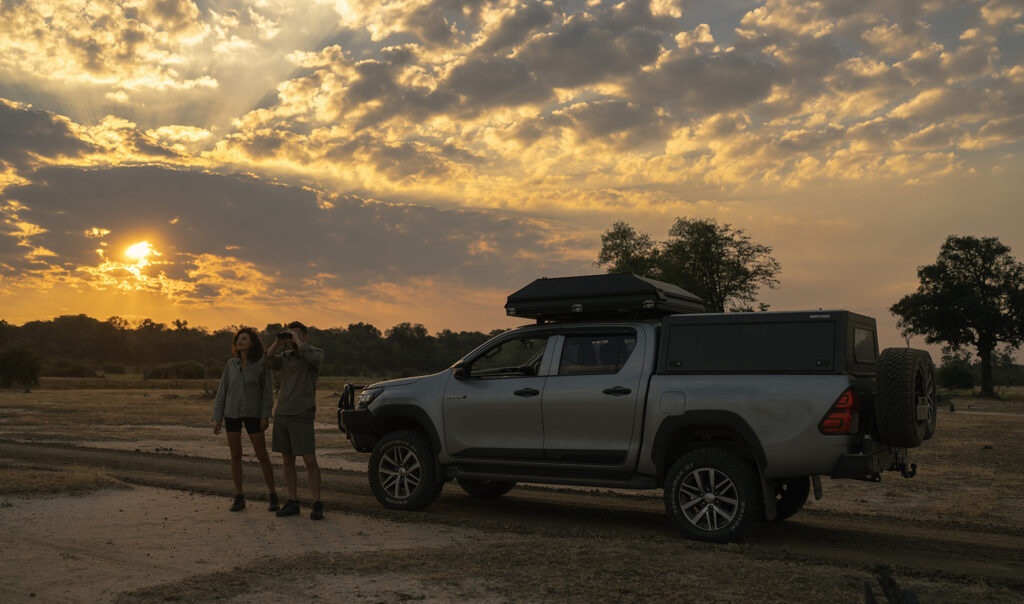
They provided us with a brand new Toyota Hilux, which was equipped with a new hard cover rooftop tent. The car itself has everything you might need: double fuel tank ( around 140 l total ), water tank, air compressor, fridge, camping cutlery/ pots, table and chairs, sleeping bags etc. They even borrowed us their binoculars free of charge!
If you need, they also provide one way rental service or delivery to another place,against a fee.
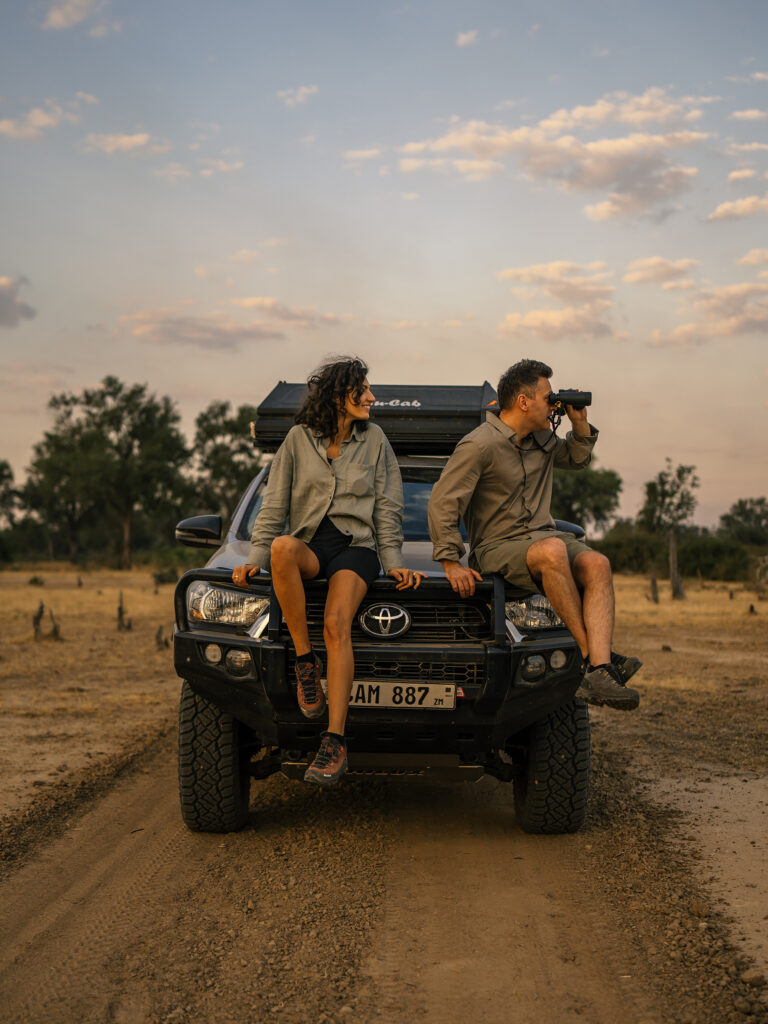
Border crossing with a rented car
As mentioned previously, The Wild Life Africa sorted out all the necessary paperwork for us to cross into Malawi and then back to Zambia. We had no issues at all. However, be aware that, apart from the paperwork provided from the rental company, there were a number of additional fees that we had to pay for the var in order to enter Malawi. The total was around 85-100$ and we would recommend to have that in cash, either $ or Malawi Kwacha.
However, bear in mind that the border crossing can take a while. It took us about 2 hours when we crossed from Zambia to Malawi and only 15 min when we came back. It all depends on how crowded it is. The good thing is that there is a single point ( one building ) for exit and entry formalities.
Driving tips
Before getting into this, the golden rule in Africa in general is: DO NOT DRIVE AFTER DARKNESS. Unfortunately, due to unexpected issues coming up, we could not follow this rule all the time, but you would make your life a lot easier if you do. The main reason for this is the condition of the roads: possible potholes, people walking/ driving motorbikes, scooters without any sort of light or reflective coverage, animals crossing the roads etc. Safety is good, so don`t worry about getting robbed.
As mentioned in the beginning, Zambia ( especially ) makes a good starting point for a self-drive, if you are not very experienced. The infrastructure is pretty decent by African standards and except for big cities, the roads are not too crowded. On top of that, if you go during the dry season ( we wouldn`t reccommend otherwise ) you don`t need too much experience on 4×4 driving as a lot of roads are paved and the tracks in the parks are easy ( no sand, no water crossings etc ). We did not even need to use the 4×4, for most of the time.
Bear in mind, Lusaka is a very crowded city and has a lot of traffic jams. Take this into consideration and plan to leave early morning.
Malawi, on the other side, is a bit more crowded and chaotic, so expect a lot of people and animals on the side of the roads. Take extra time and drive slowly.
Another thing to consider, especially in Zambia, is police. As you might have guessed, police is extremely corrupt and they will try to catch you using radars and all sorts of tricks. We got stopped twice, close to Lusaka.
There are several things you can do to avoid issues with the police in Zambia:
- Make sure you follow the speed limits, especially in villages/ towns. Pay attention to other drivers flashing, they warn you about police ahead.
- If you do get stopped, keep calm and be friendly with them.
- They will most likely expect money from you. However, you cannot be direct, so ask them instead: ” Can I buy you some water?” and they will understand what you mean. In general, we noticed that they ask something like equivalent of 10-15$. It is not moral, we know, but this is the easiest way to get rid of them and carry on with your trip. Try to have spare change with you for this kind of stuff.
The police in Malawi seemed to be less aggressive in this regards. We had no issues there.
However, be aware that there are several military check points along the way in both countries. They do not want money or anything, sometimes they just check your paperwork/ passport etc.
Vaccines and Malaria
For travel to Zambia and Malawi, health authorities highly recommend routine immunisations ( Measles, Mumps, and Rubella / Polio/ Covid 19 and Influenza ) and specific travel vaccines. Key recommendations include Hepatitis A, Typhoid, Tetanus-Diphtheria-Pertussis, and Yellow Fever (only required if arriving from a yellow-fever-endemic area). We personally recommend getting most of these vaccines when travelling to Africa, for your own safety.
Regarding Malaria, the risk is high throughout Zambia year-round, especially during the rainy season from November to April. While urban areas like Lusaka have lower transmission rates, preventive measures are essential everywhere. Malaria risk in Malawi is high across the entire country, year-round, with the most severe transmission occurring in low-lying, humid areas and along Lake Malawi.
We don`t personally like anti-malarial prescriptions due to the side effects and we try to prevent it by using DEET insect repellent with a minimum concentration of 50% and having Malaria treatment as a back up. The malarial treatment is found under Coartem/ Diartem name and they are easily found in any pharmacy in Malaria risk countries. You can also buy Malaria tests to have it with you.
In general, Malaria is deadly only if it`s left untreated. If you start the treatment immediately after the first symptoms ( high fever, chills, severe headaches, and fatigue ), it is curable.
However, the decision to take or not to take preventive treatment is yours.
Regarding Tsetse flies and sleeping sickness, in Zambia, the disease is zoonotic—naturally occurring in wildlife and livestock—and is particularly concentrated in rural and park areas like the Luangwa Valley and Kafue National Park.
Safety
Both Zambia and Malawi are safe countries, as long as you follow some common sense rules. There haven`t been reported any major incidents, robberies or anything like that.
Navigation
Google Maps works fine most of the time. The times and driving distances provided are relatively reliable. But for off-road driving and game drives, we recommend Maps.me app, available on both IOS and Android.
Driving distances and required times
Lusaka to Mfue ( South Luangwa ) via Chipata – about 11 hours including lunch break. There is also the old Petauke road which I`ve heard is more scenic, however no idea how much longer it could be.
Mfue to Lilongwe – about 4 to 5 hours excluding border crossing ( which can be 2-3 hours or 15 min )
Lilongwe to Cape Maclear – about 4 to 5 hours ( the last 80-100 km towards Cape Maclear are really bad, with a lot of pot holes )
Lilongwe to Lusaka – around 12 hours ( we divided this trip in 2 days – a full day of 8 hours and the remaining 4 hours the following day ) – there are not many places where you can spend the night but we found a decent camp – Bridge Camp – in Mulamba. The camp can be booked via Whatsapp at +260 97 3682286.
Grocery shopping
In Zambia, if you are going to the east of the country, the main cities where you can buy groceries are Lusaka and Chipata. The main supermarkets would be Shoprite and Pick n Pay. Bear in mind that the prices are quite high comparing to the neighbouring countries and even to Europe.
However, you can find vegetables and fruits on the side of the road almost everywhere. And we highly recommend doing that because the quality is amazing. We found huge ripe avocados, tasty tomatoes, bananas etc. There is also a village next to the gate of South Luangwa NP – Kakumbi village – where you can buy fruits and vegetables.
In Malawi, the situation is similar, plenty of fruits and vegetables on the side of the roads. For bigger supermarkets, we would recommend Lilongwe or some big cities ( like Blantyre or Mzuzu ).
Refuelling
From Lusaka to Chipata there are plenty of gas stations and Chipata is probably the last point where you can refuel before reaching South Luangwa national park. There are no gas stations next to the park.
Time needed
We had a total of 14 days including the flights. Out of this we spent 4 days on the flights, 4 full days in South Luangwa, 2 days in Lake Malawi and the rest commuting in between the locations. We were pretty content with this time frame, although it was quite a bit of a drive.
South Luangwa National Park could have also been done in 2 -3 days. Lake Malawi also 2-3 days. Lusaka and Lilongwe are not really worth visiting.
We reached the conclusion that this trip was a question of saving time versus saving money. You can`t have both. We found some really cheap return tickets to Lusaka and we decided to save money and drive longer hours.
The alternative is to fly to one country and leave from the other. The advantage is that you save at least 2 days. The disadvantage is that the tickets will be more expensive ( as there will be one way tickets ) and you will have to pay the drop off to another location fee ( around 400$ ).
Or you can choose to visit only one country at a time.
Zambia – South Luangwa National Park
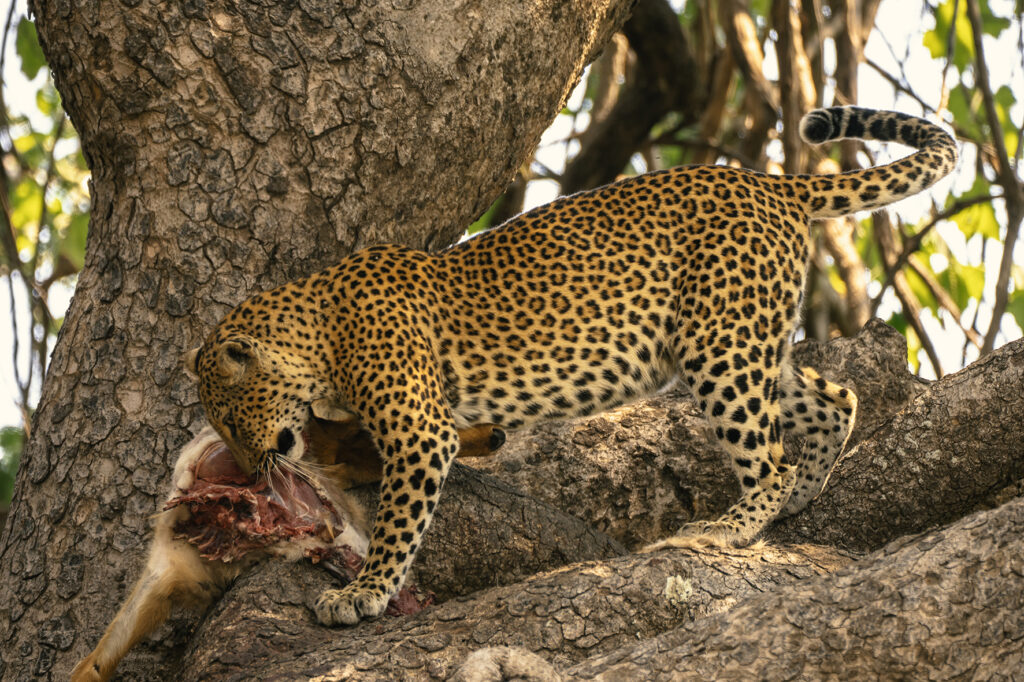
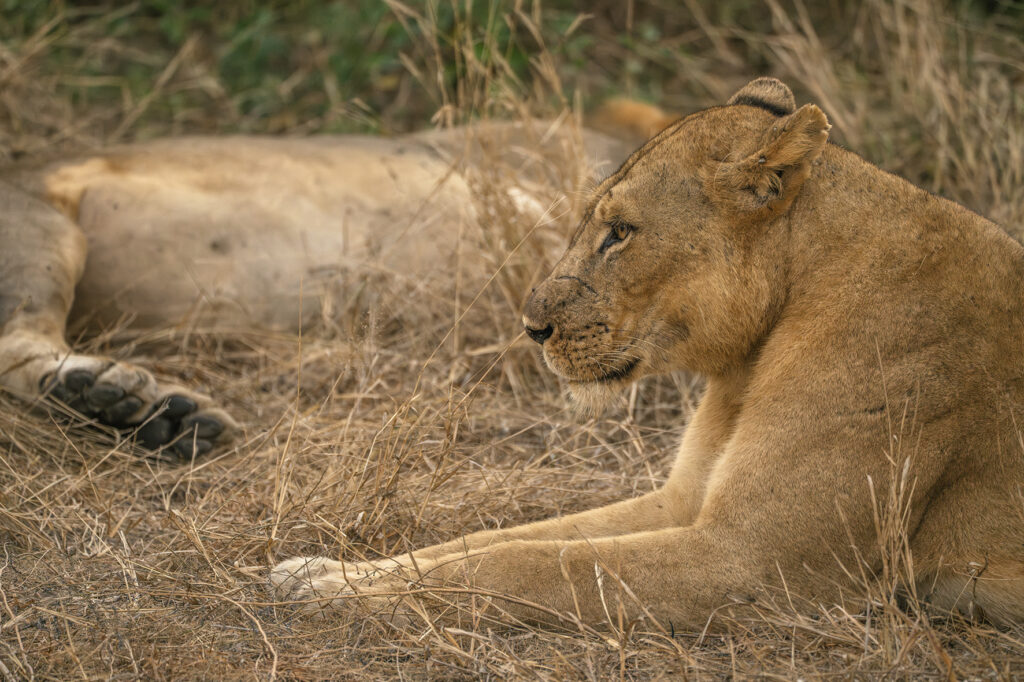
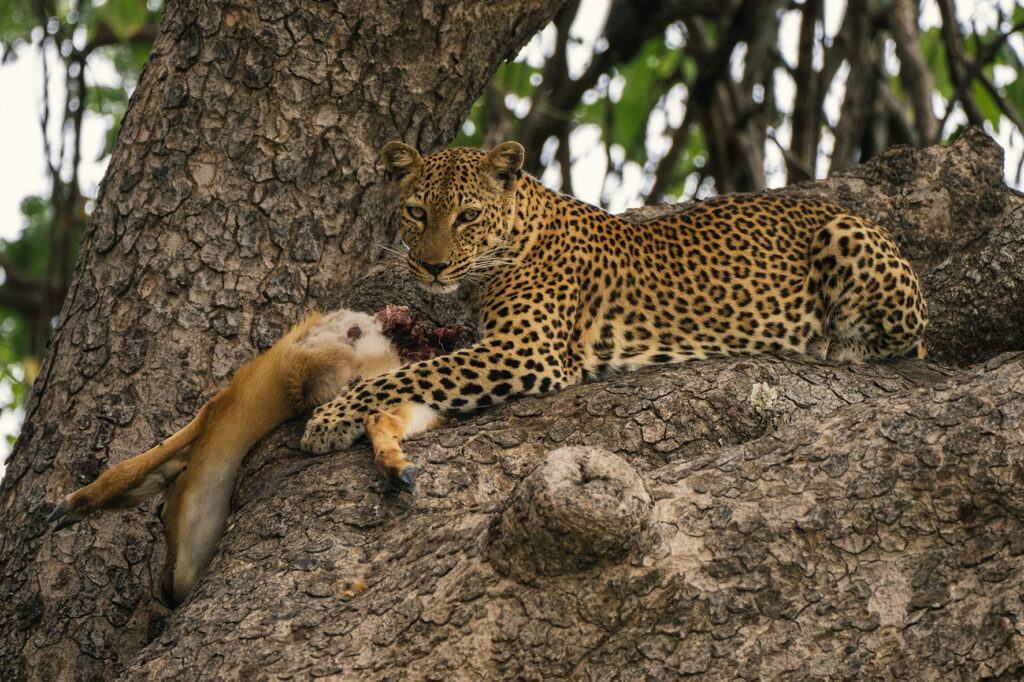
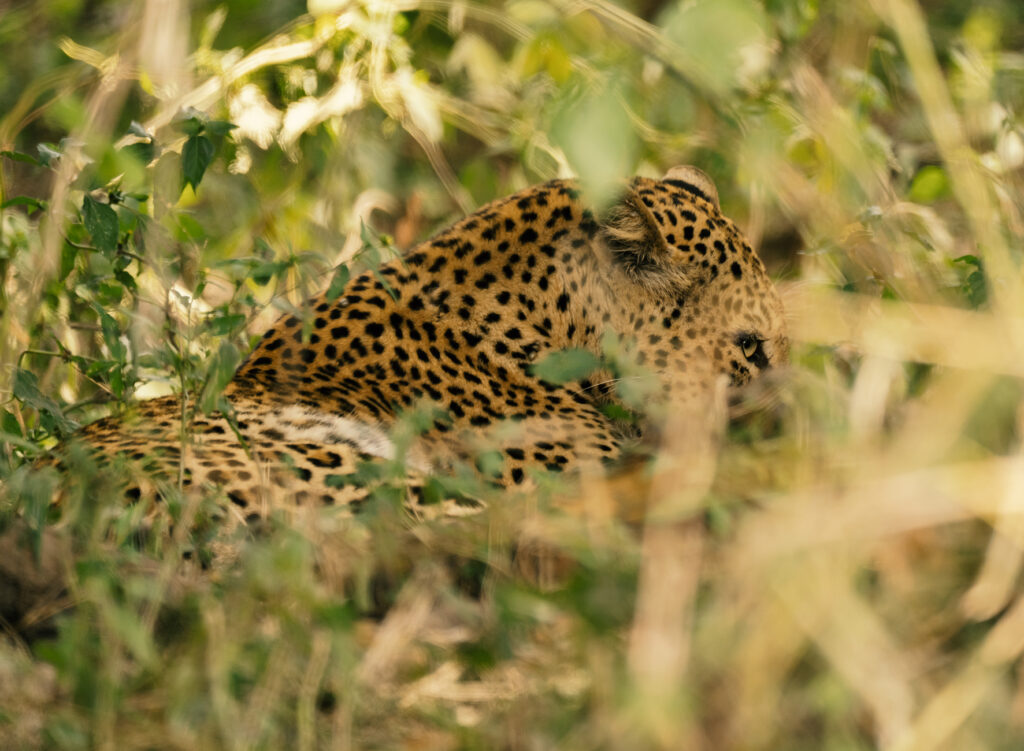
This is probably Zambia`s jewel. Established in 1972 as a national park, it is known as ‘the valley of leopards’, experts say there are 3 leopards for every km2, one of the densest concentrations in the world.
South Luangwa National Park is also legendary as the birthplace of the walking safari, pioneered in the 1950s by conservationist Norman Carr. Today, this Zambian wilderness is famous for its pioneering night safaris, offering rare after-dark tracking of nocturnal predators like leopards, hyenas, lions, and civets using filtered spotlights.
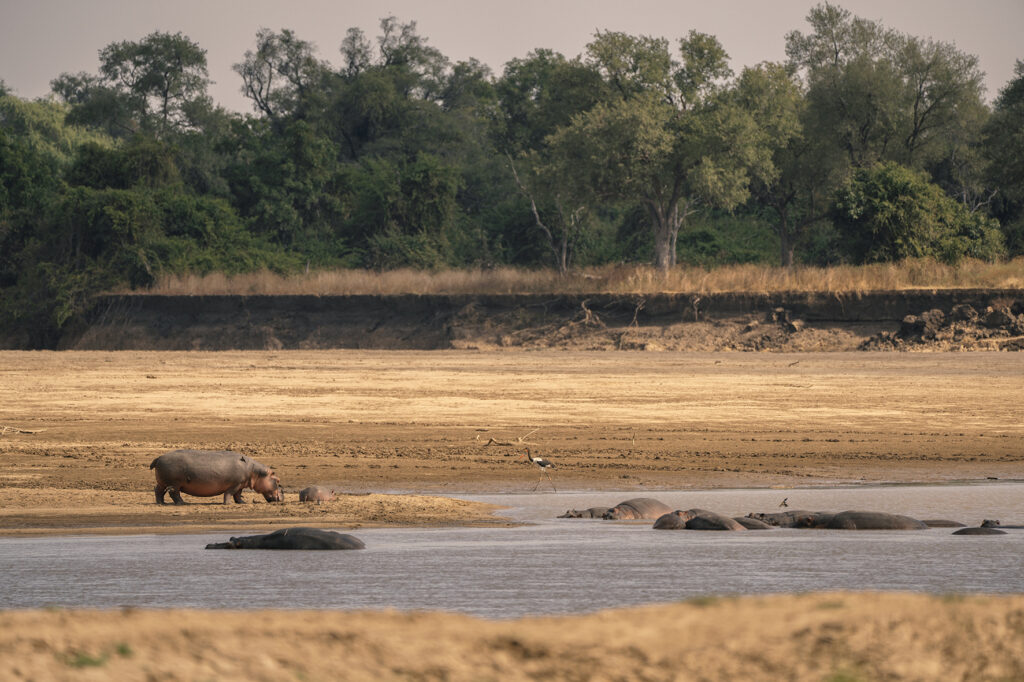
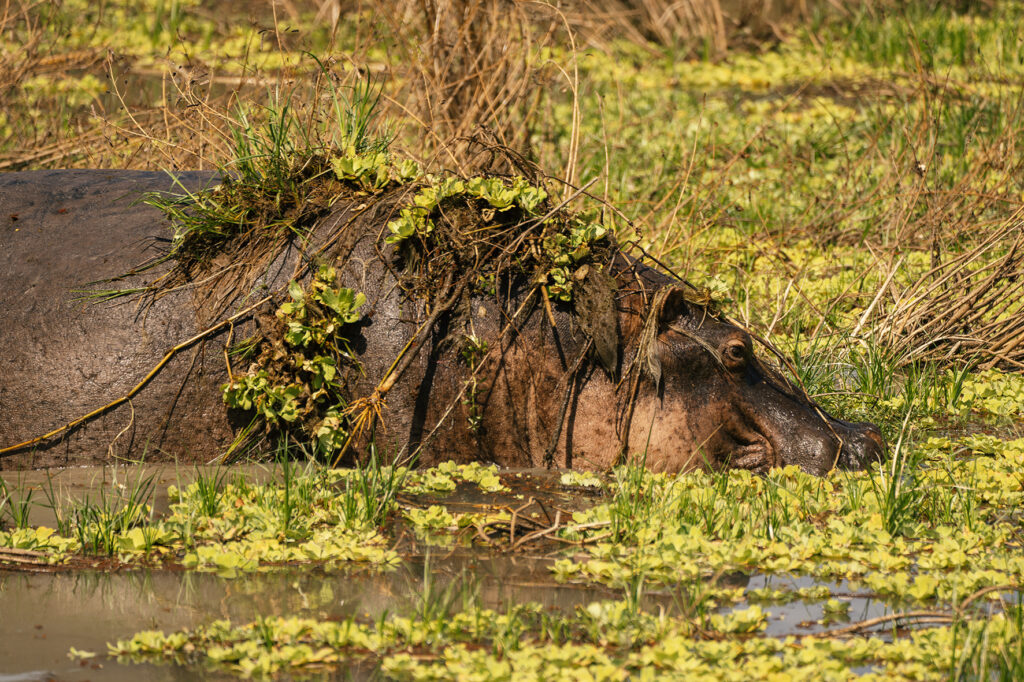
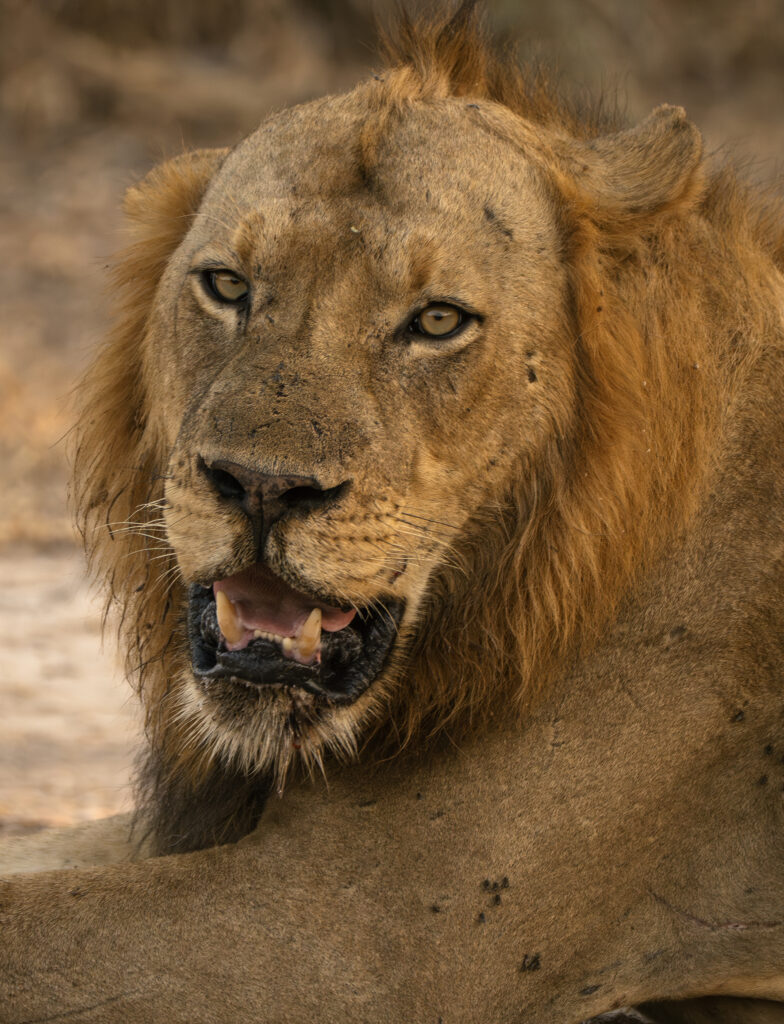
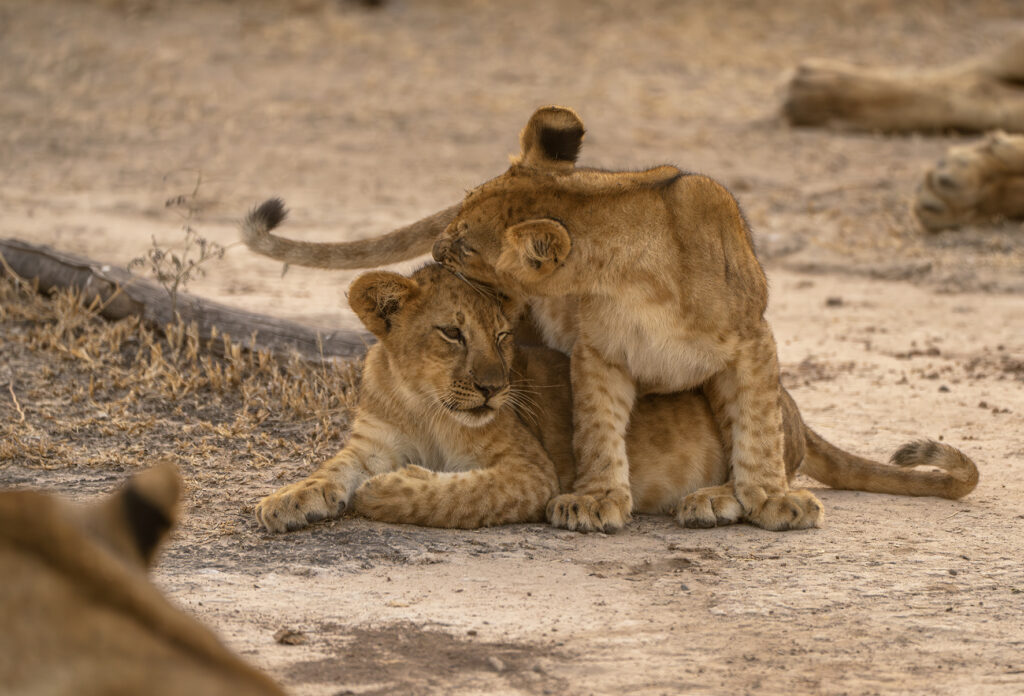
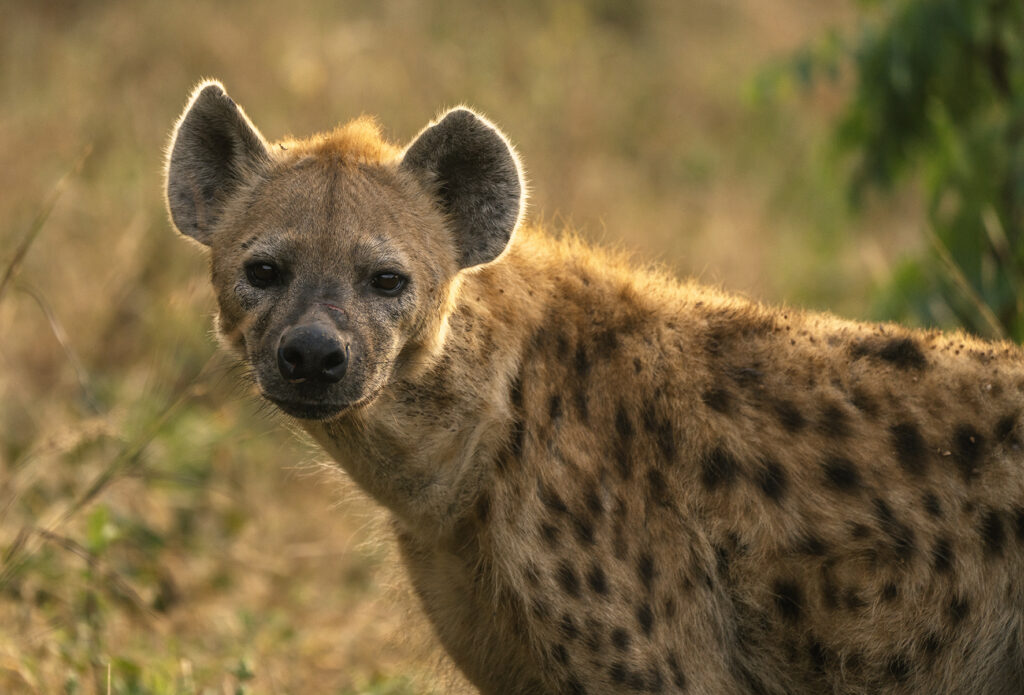
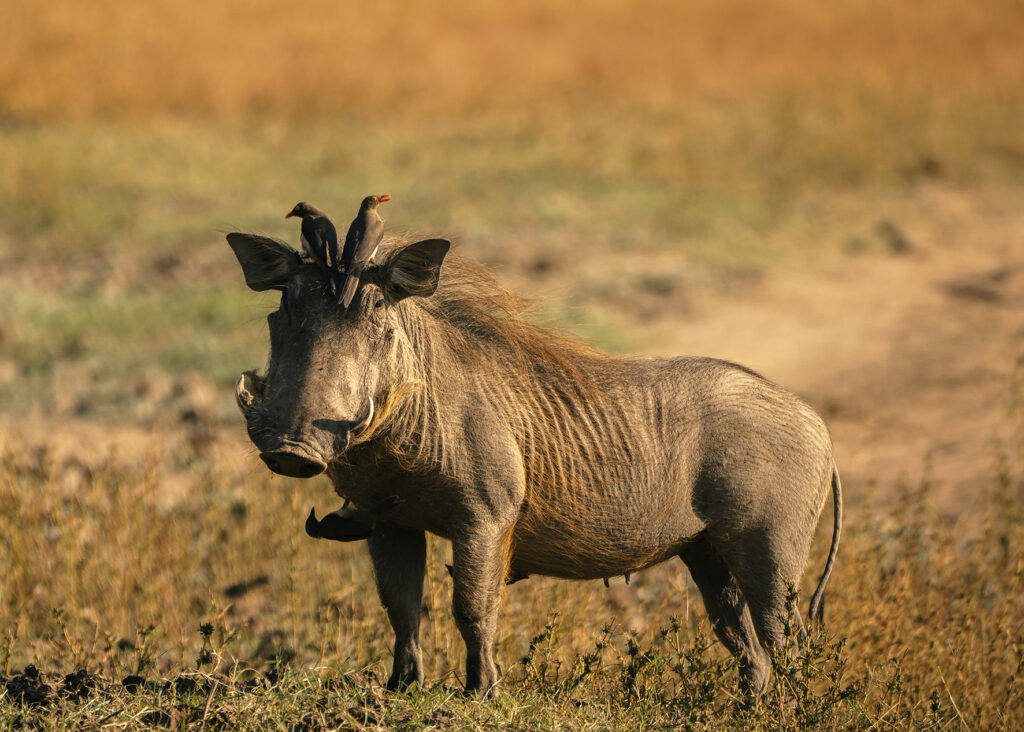
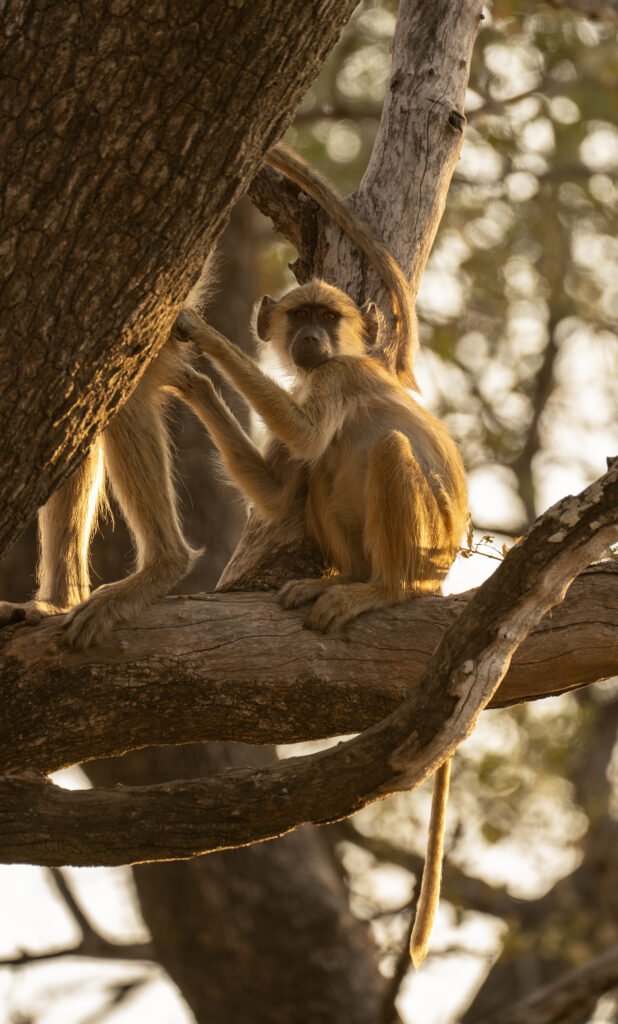
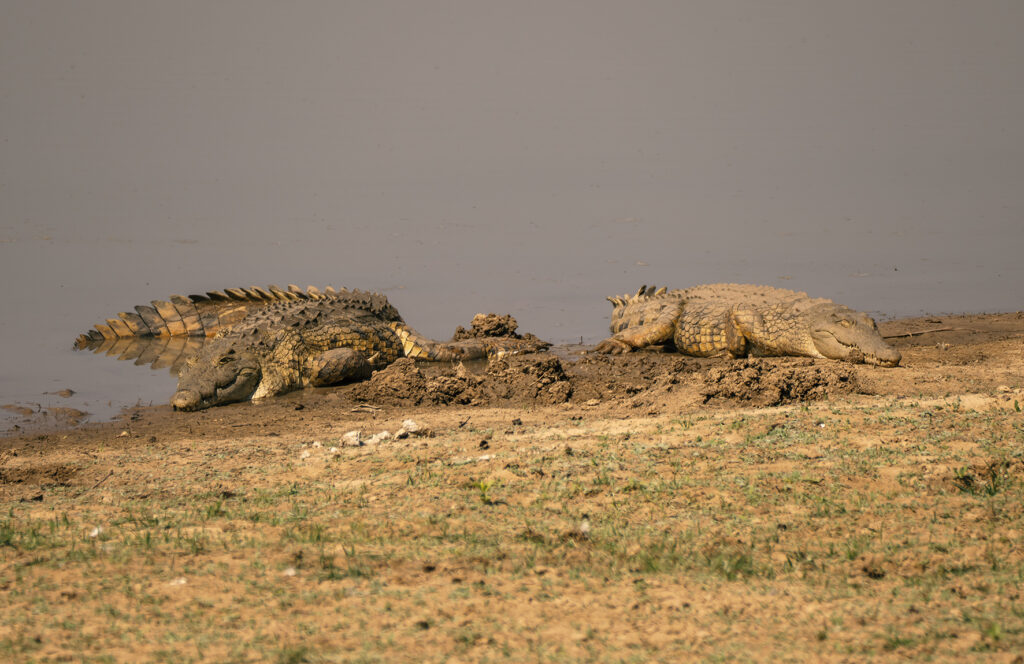
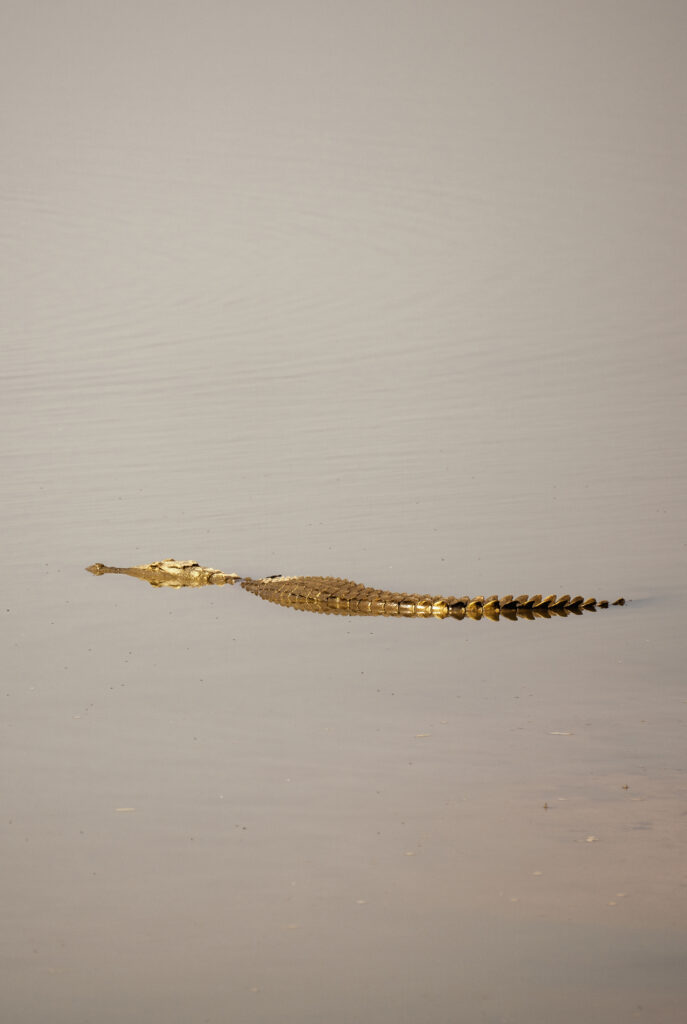
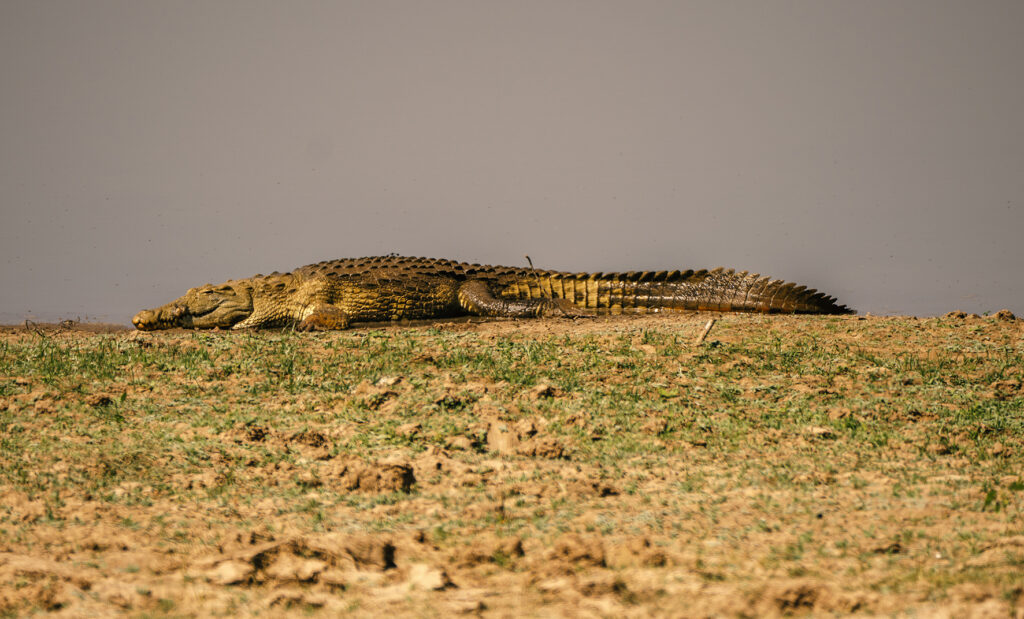
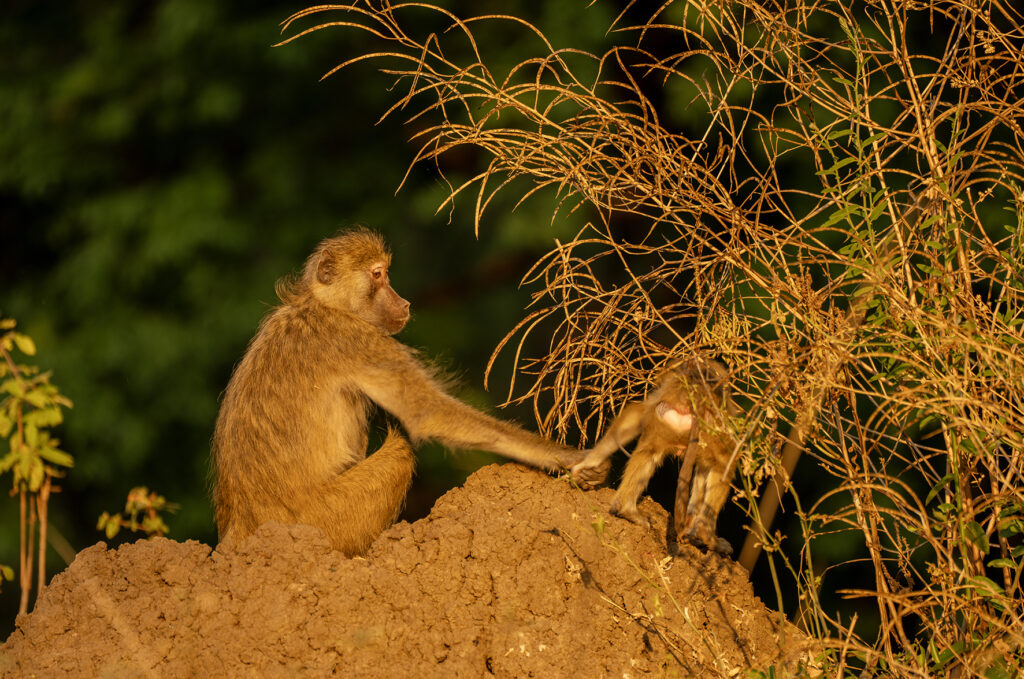
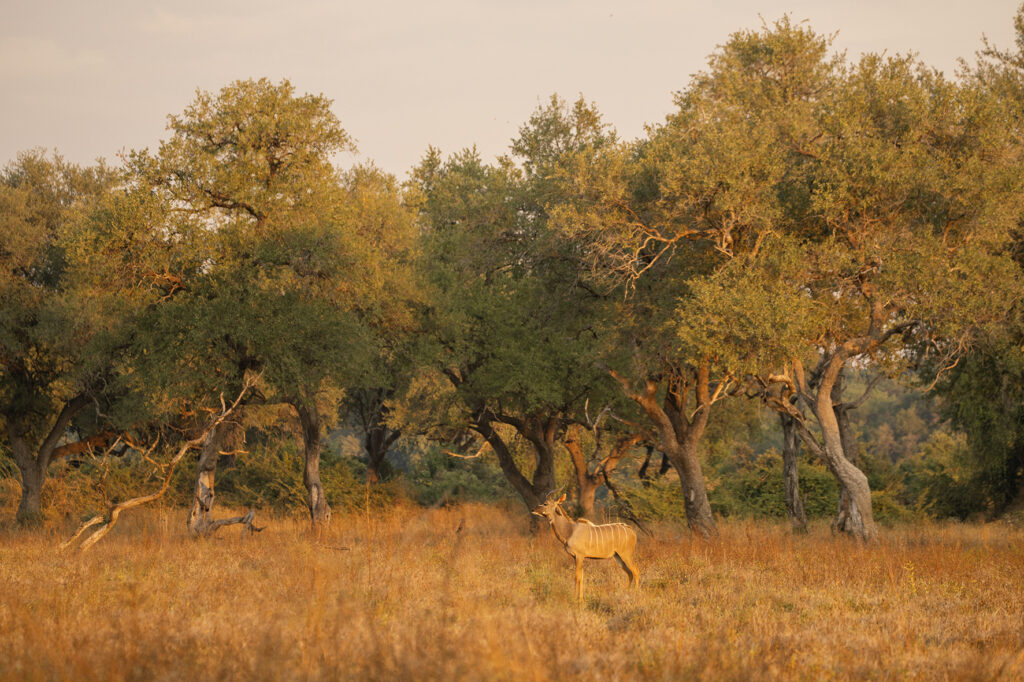
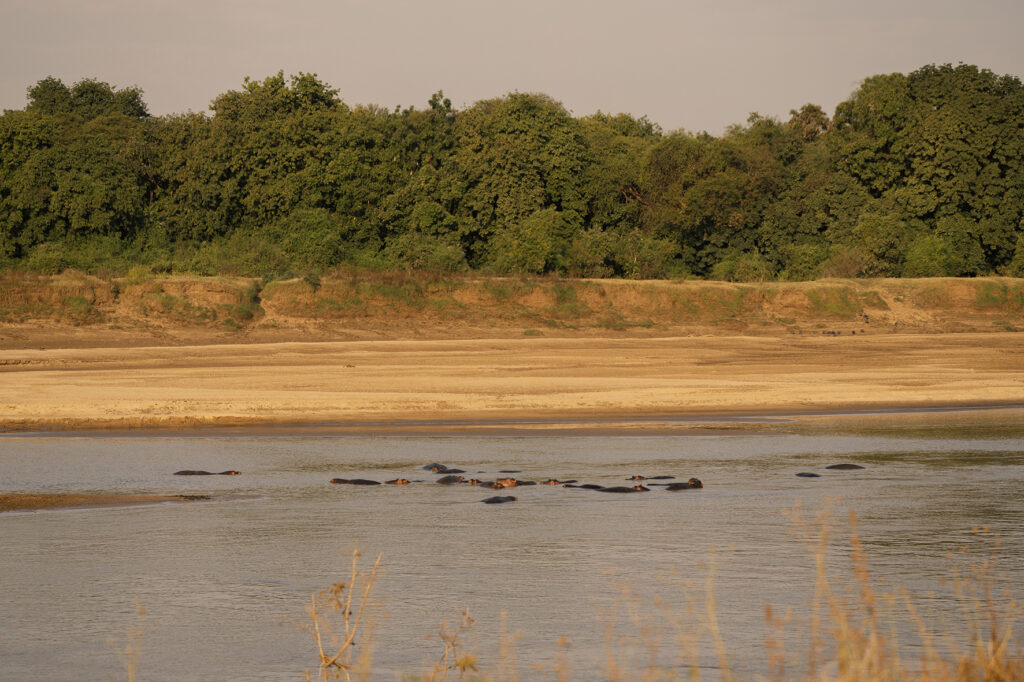
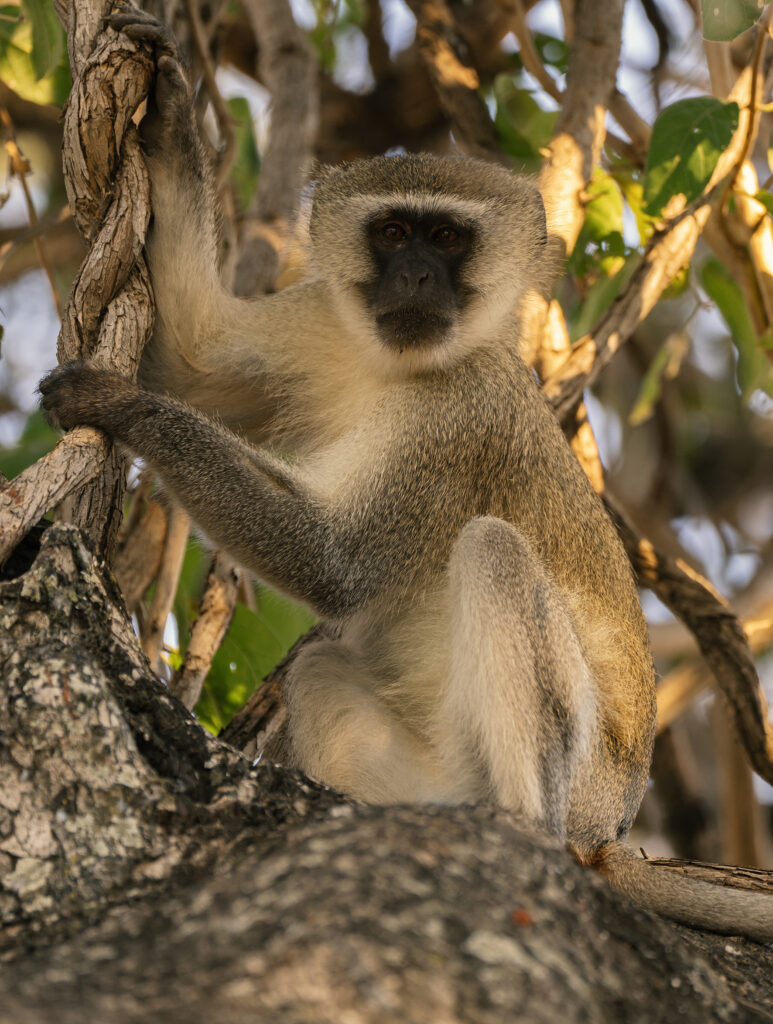
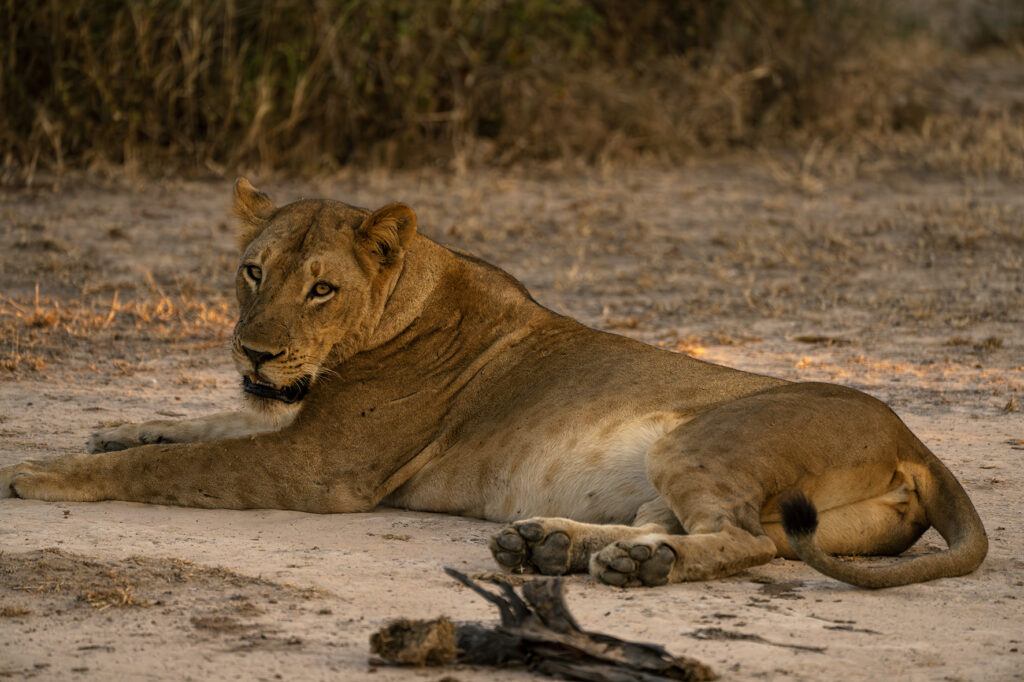
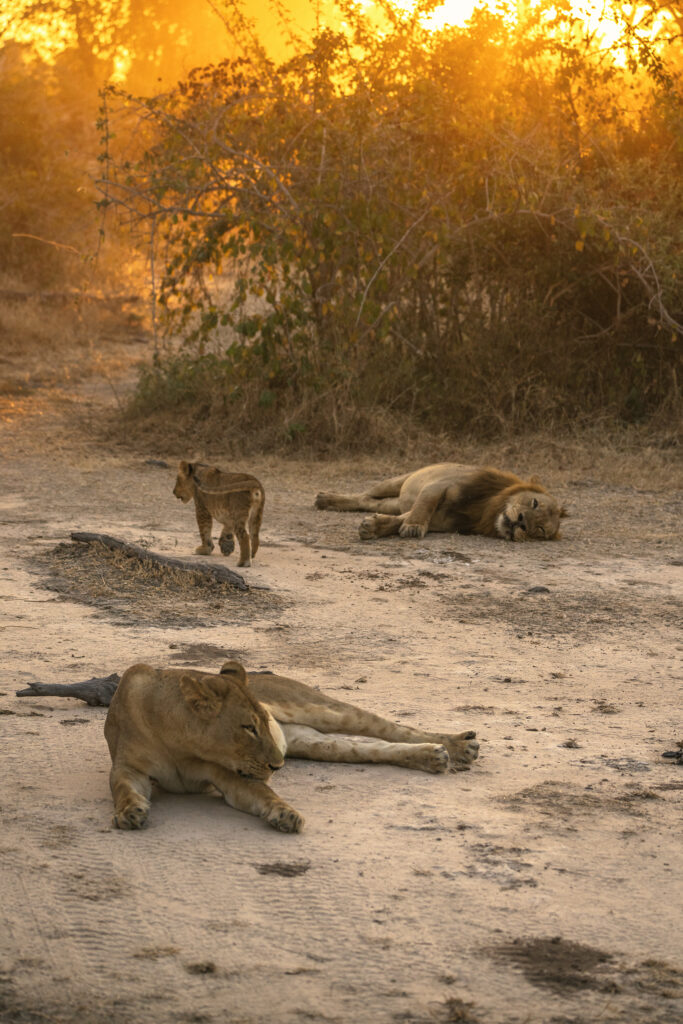
South Luangwa is very well known for its big cats (and wild dogs). There are said to be at least 9 prides, however, the exact number of lions in the park is unknown. The park is also host to many other animals: antelope, 14 different species in fact, including kudu, impala, bushbuck, sable and puku, as well as warthogs, hyena, monkeys, baboons, porcupine and much, much more. Get close to the river and you will see lots of crocodiles and hippos, it is estimated there are 50 hippos per km of river.
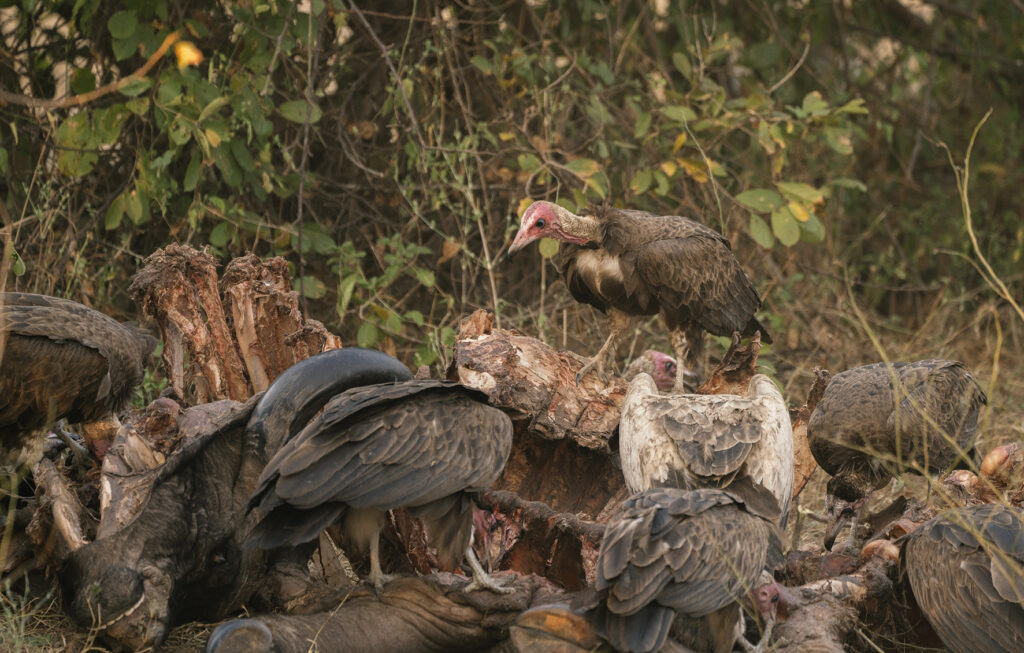
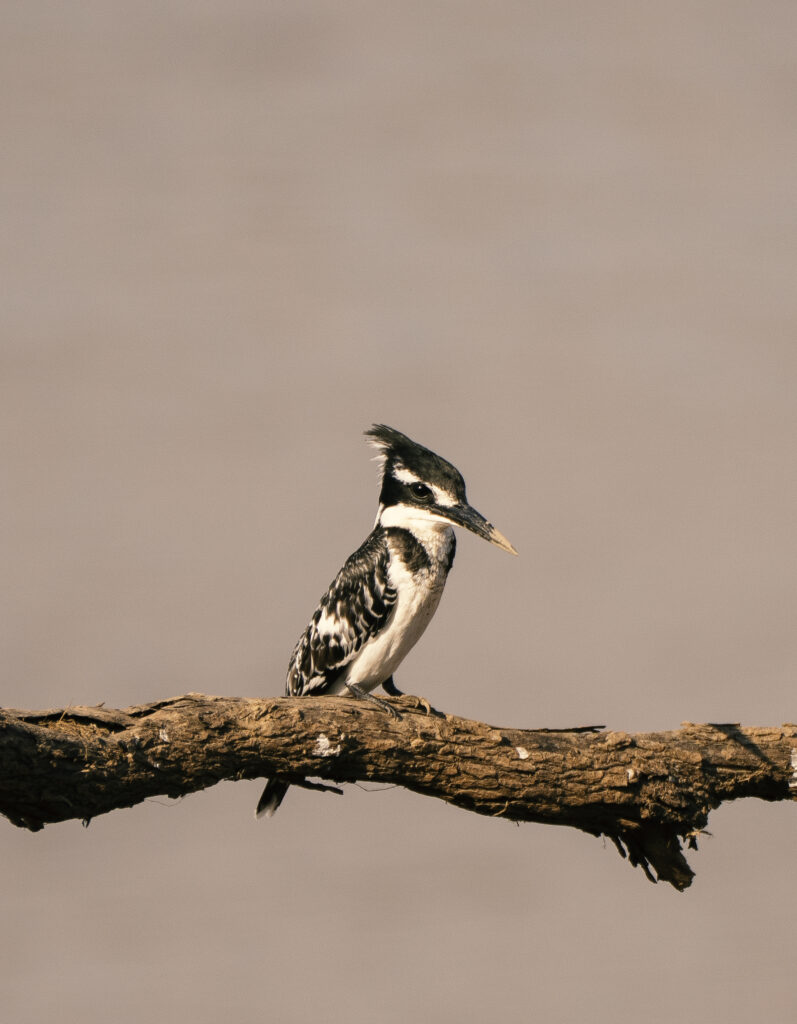
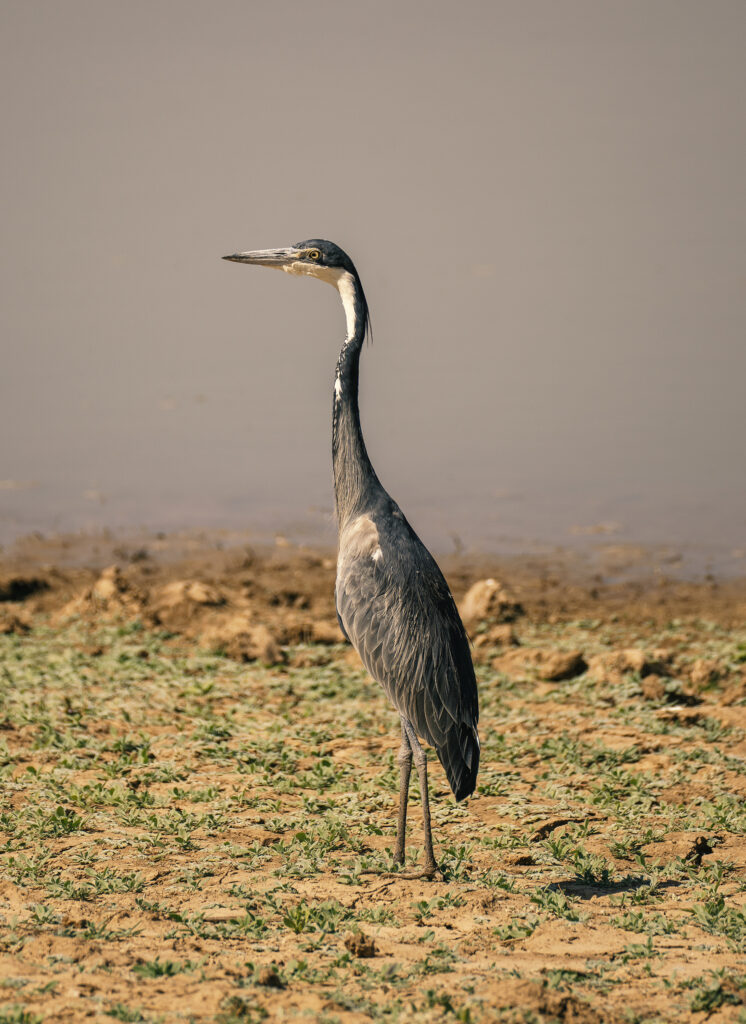
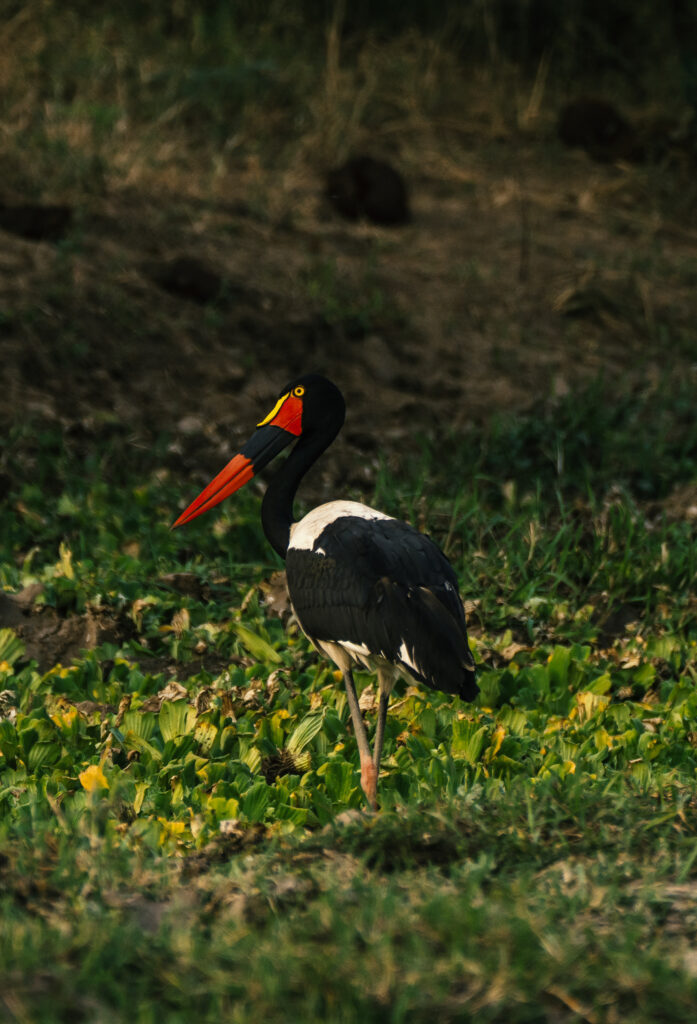
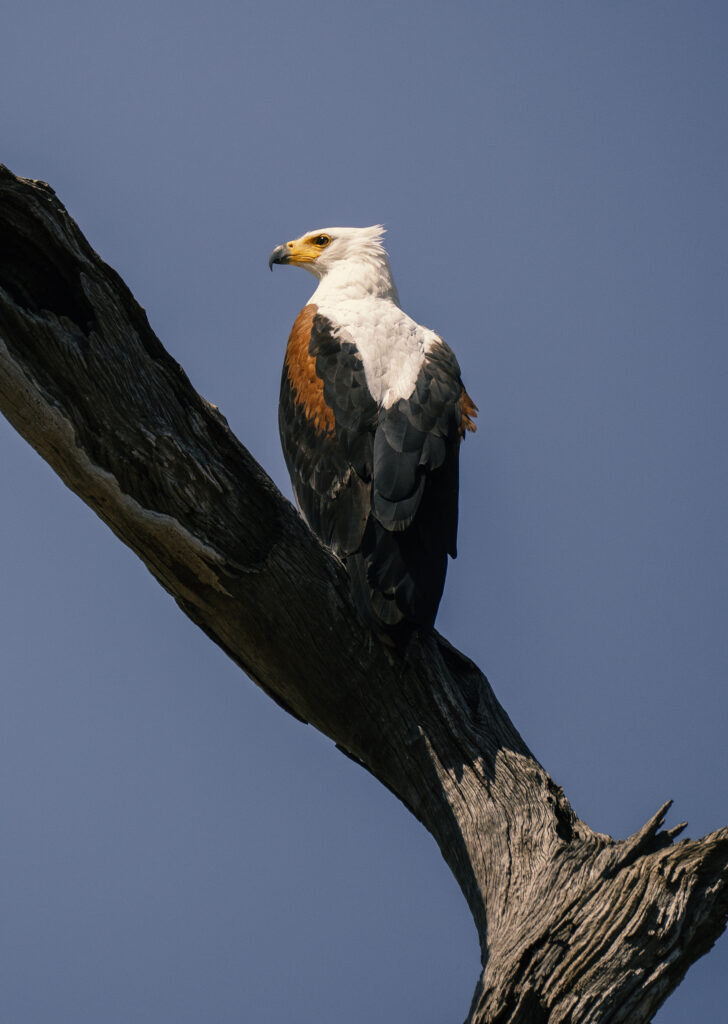
South Luangwa is also somewhat of a birder’s paradise, the park welcomes more than 450 species each year, in one day you could see 100 species.
Night safaris and walking safaris can only be done accompanied by a guide and you can book them at most of the camps. The walking safari usually starts in the morning and lasts for about 4 hours ( 6-10 am ) and the night drives last also for about 3 hours ( usually 16-19 pm ). The price should be around 60-80$ per person.
Camping in South Luangwa
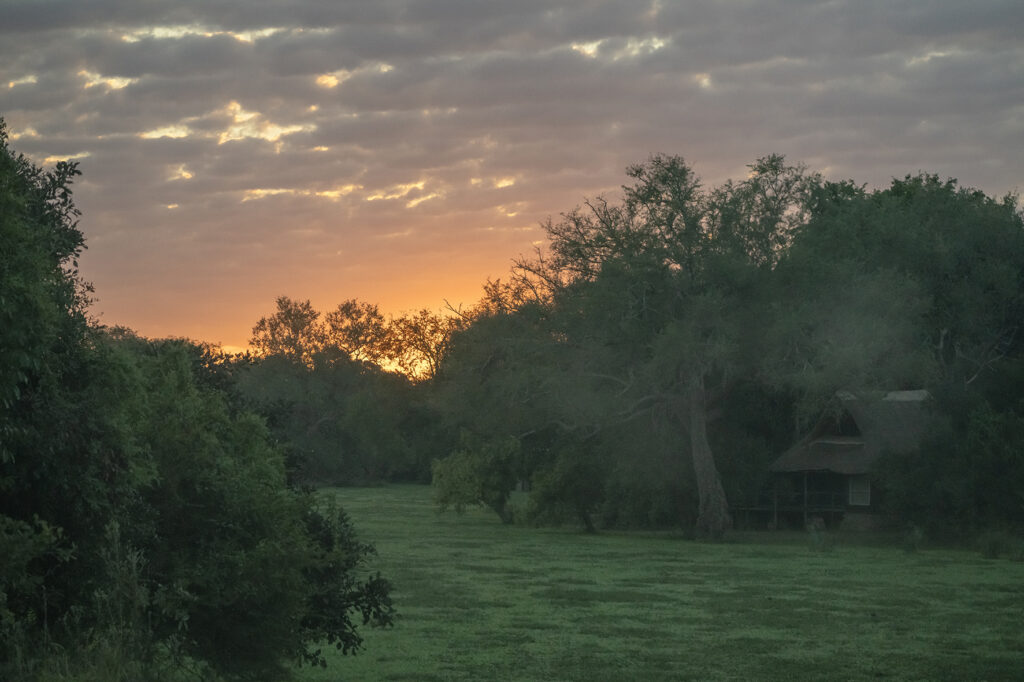
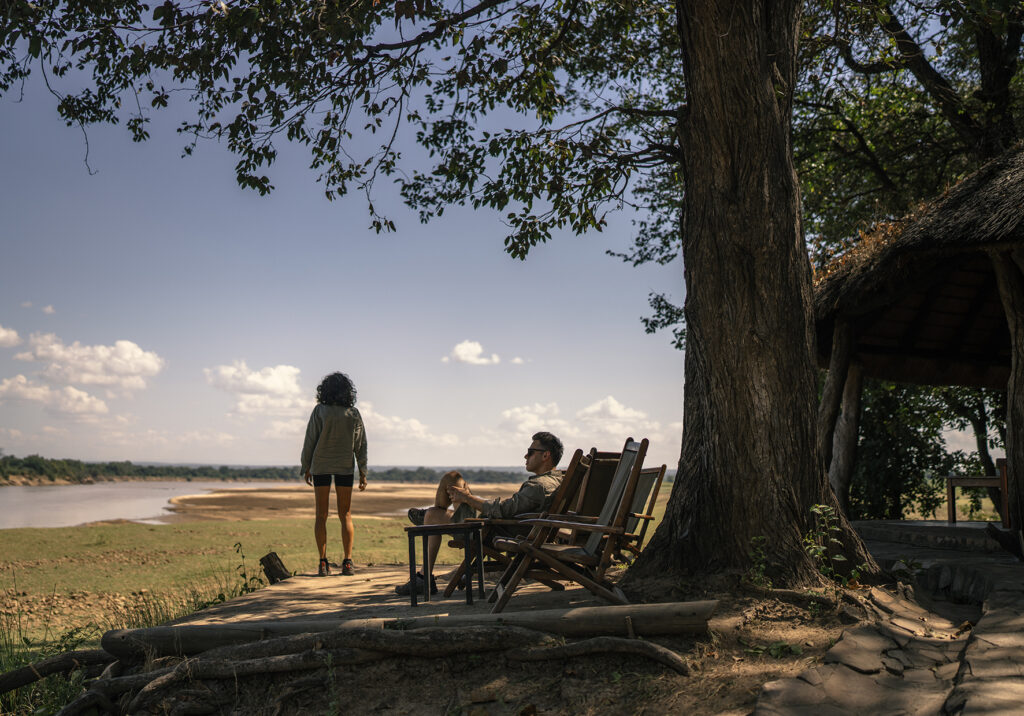
Most of the camps are around Mfue Gate, outside the park. We stayed at Wildlife Camp and Track and Trail River Camp. Both were super nice and were offering the night safari and the walking safari. They were recommended to us by The Wild Life Africa.
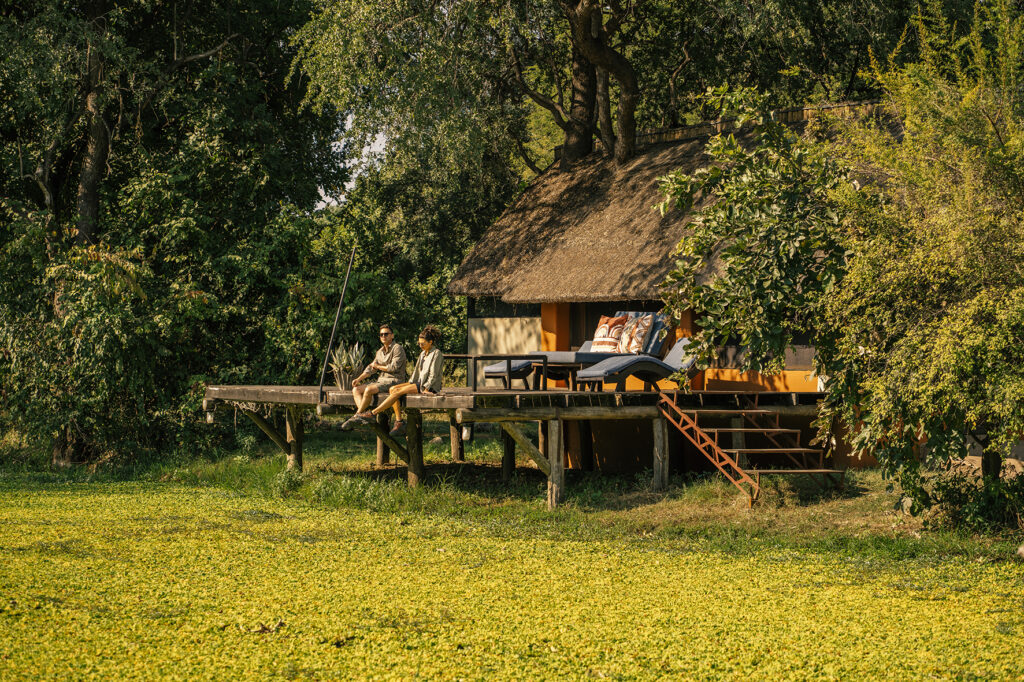
At Track and Trail we also spent a night in the Hippo House, a little house on a small lake where hippos are coming.
There are a few camps in the park, but they are all way more expensive and as far as we have seen, they are mostly providing hotel accommodation. Some examples are: Mfue Lodge and Chichele Presidential.
What else to visit in Zambia?
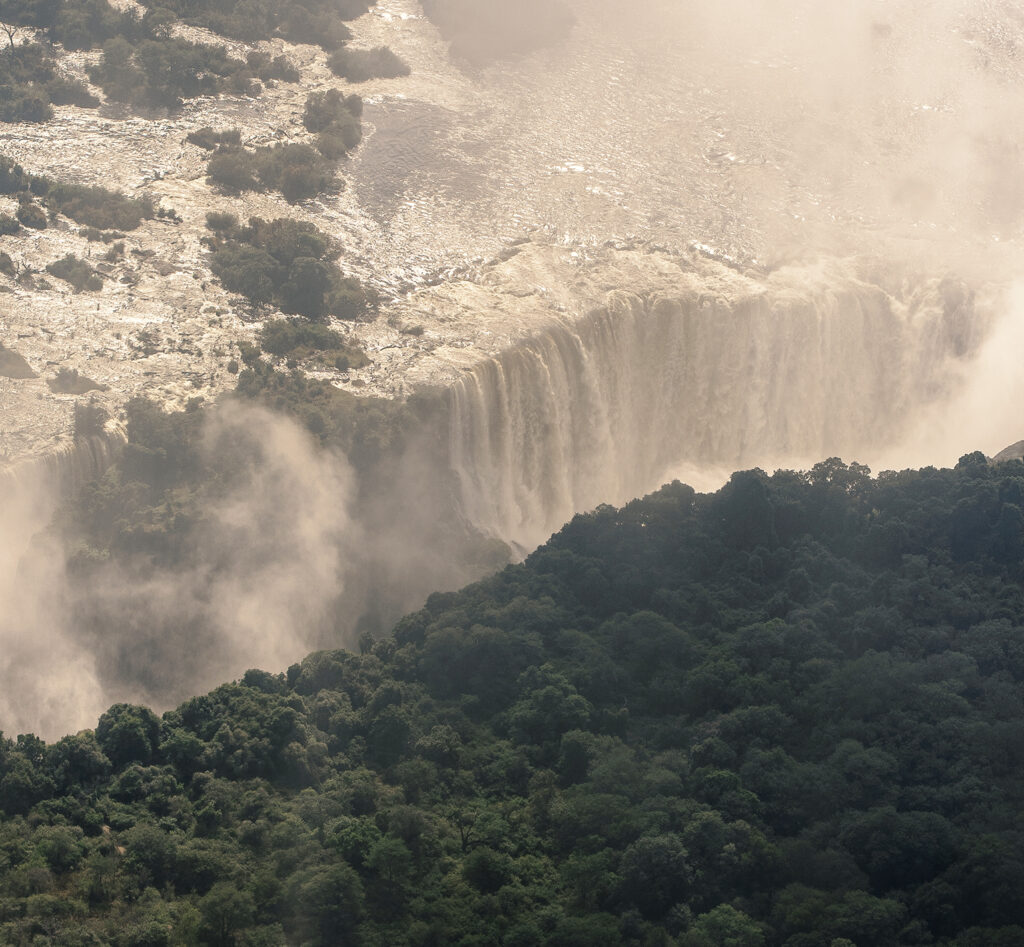
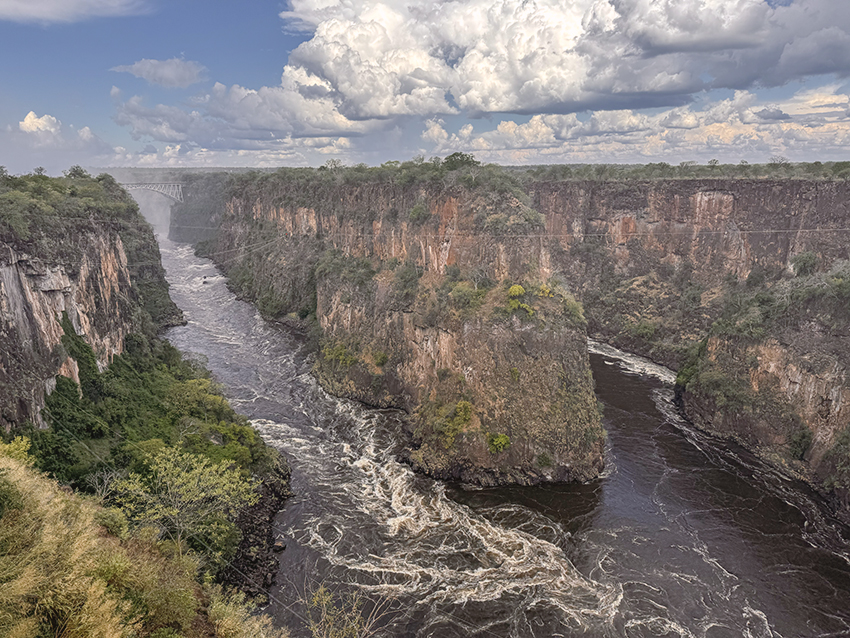
- Victoria Falls – one of the ‘Seven Natural Wonders of the World’; we visited the falls on Zimbabwe side in 2025. The falls are actually the border in between Zambia and Zimbabwe.
- Kafue National Park – Zambia’s largest and oldest national park Spanning an area of 22400km
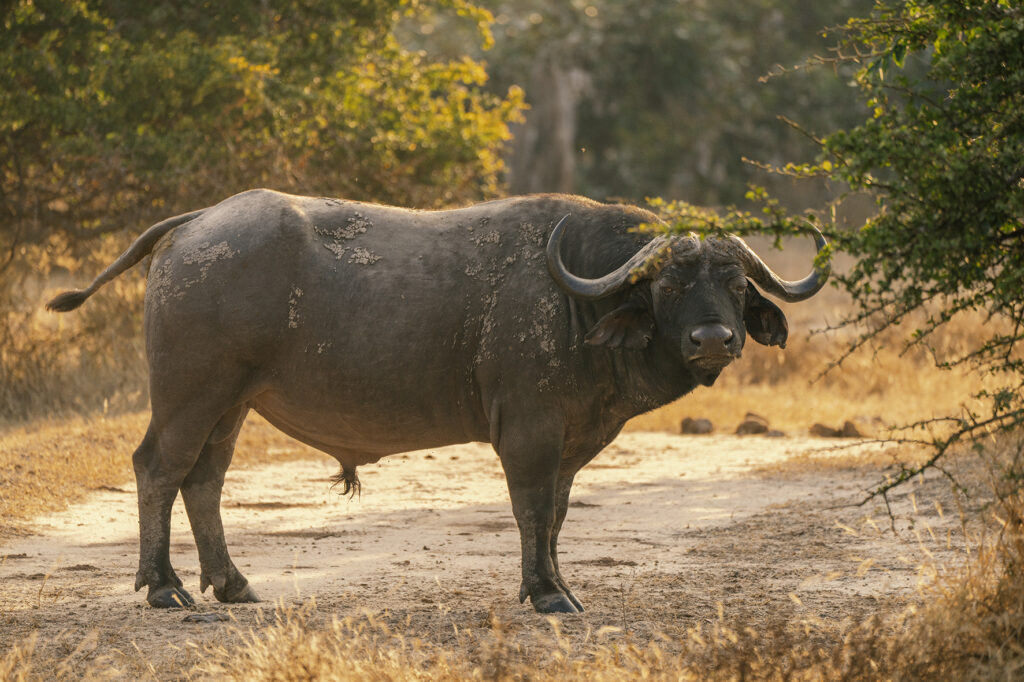
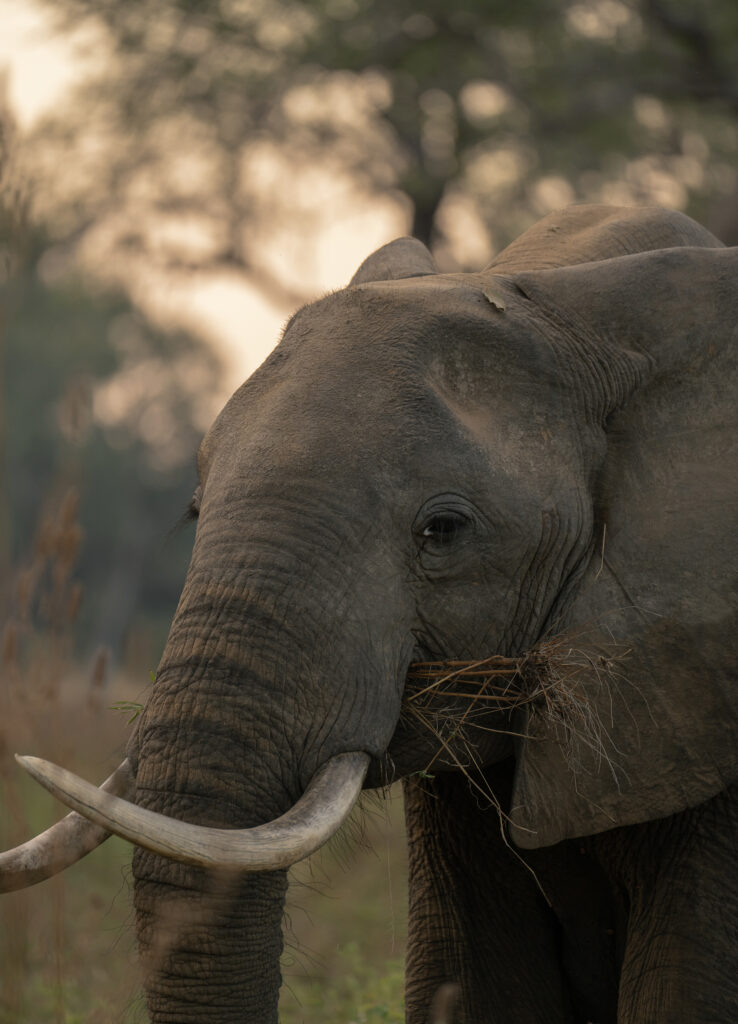
- North Luangwa National Park – home to Zambia’s largest elephant population with healthy populations of of lion, leopard, buffalo, and Luangwa endemics like Cookson’s Wildebeest, with recent more frequent sightings of Thornicroft’s Giraffe and regional endemics such as Crawshay’s Zebra. The area’s remote setting and low visitor numbers make it one of Africa’s best-kept secrets, allowing for an exclusive, crowd-free safari. However, we didn`t feel that South Luangwa was too crowded, either. The camps are less and more remote, though.
- Lower Zambezi National Park – in southern Zambia, on the Zimbabwean border. In the south, the Zambezi River valley is known for abundant wildlife, including buffalo, fish eagles and herds of elephants.
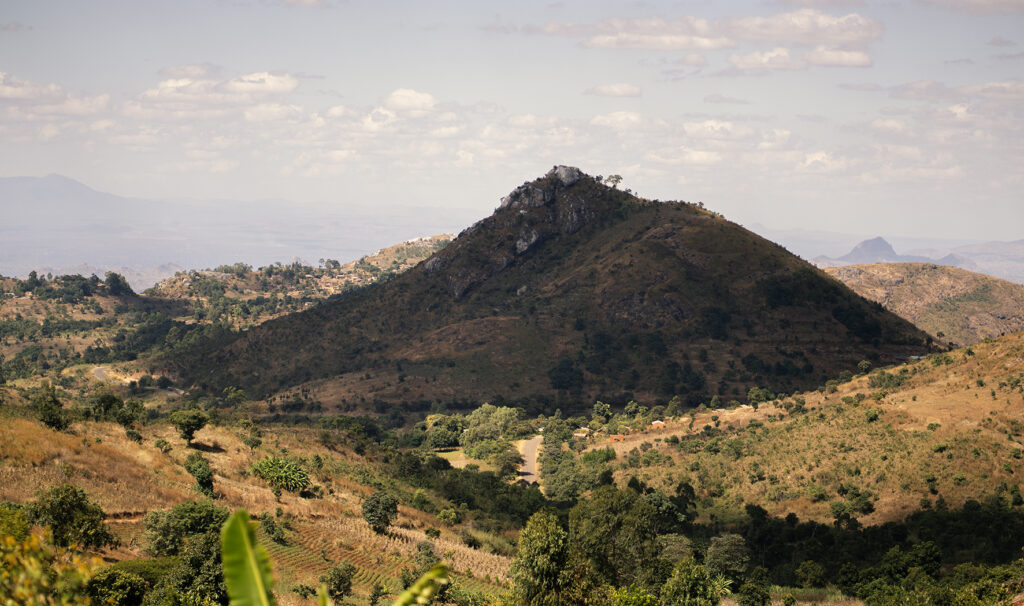
Malawi – Lake Malawi (Cape Maclear )
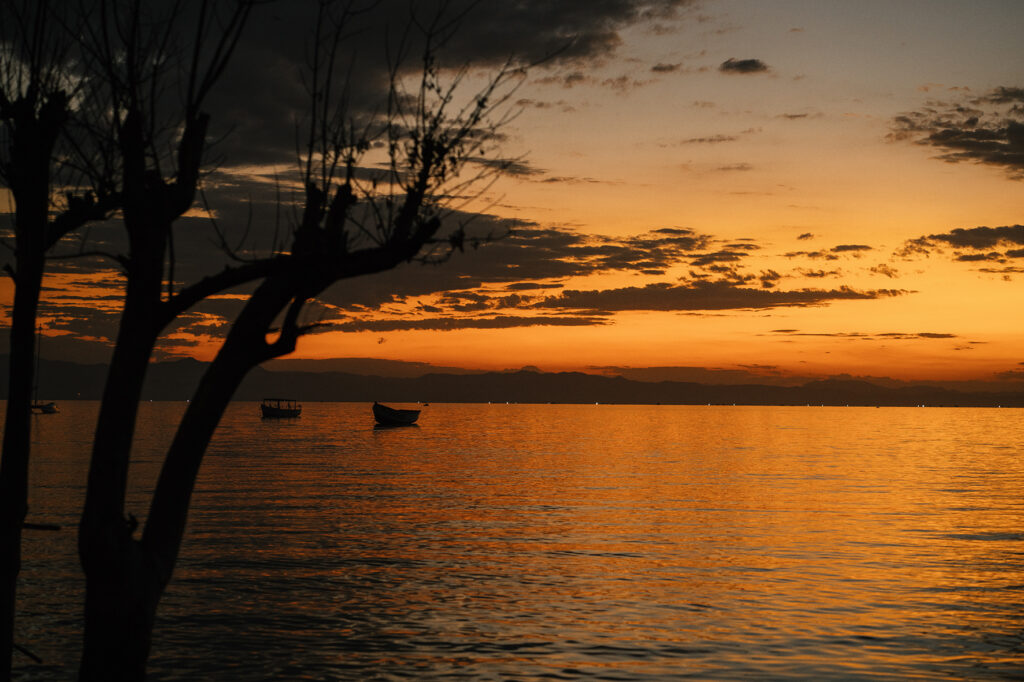
For those who don`t know, Malawi is famously known as the “Warm Heart of Africa” due to the exceptional kindness and welcoming nature of its people. It is also celebrated for the breathtaking Lake Malawi, a biological wonder that contains more species of fish (particularly colourful cichlids) than any other lake in the world.
The country is overpopulated. Malawi’s population is approximately 22.8 million. To put this into perspective, its population is highly comparable to Romania (~ 18.8 million) or Taiwan (~ 23.0 million). It also roughly equals the combined metropolitan population of New York City (~ 19.3 million) and Houston (~ 7.6 million). To further contextualize: Romania – 18.8M people on 230,170 km², Taiwan – 23.0M people on 35,410 km² and Australia – 27.2M people on 7,682,300 km².
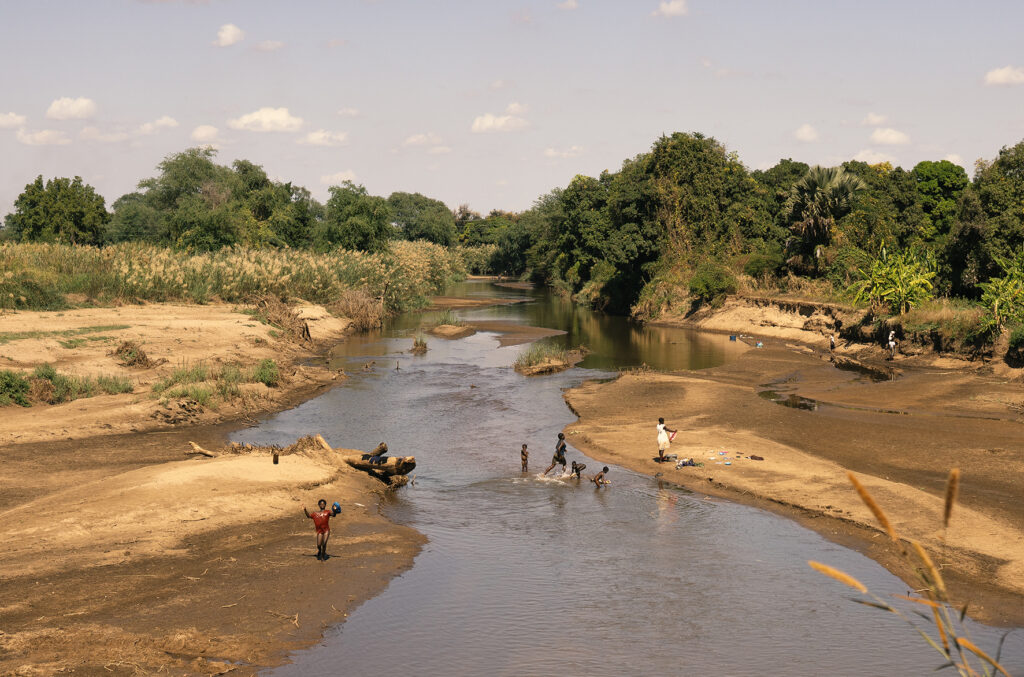
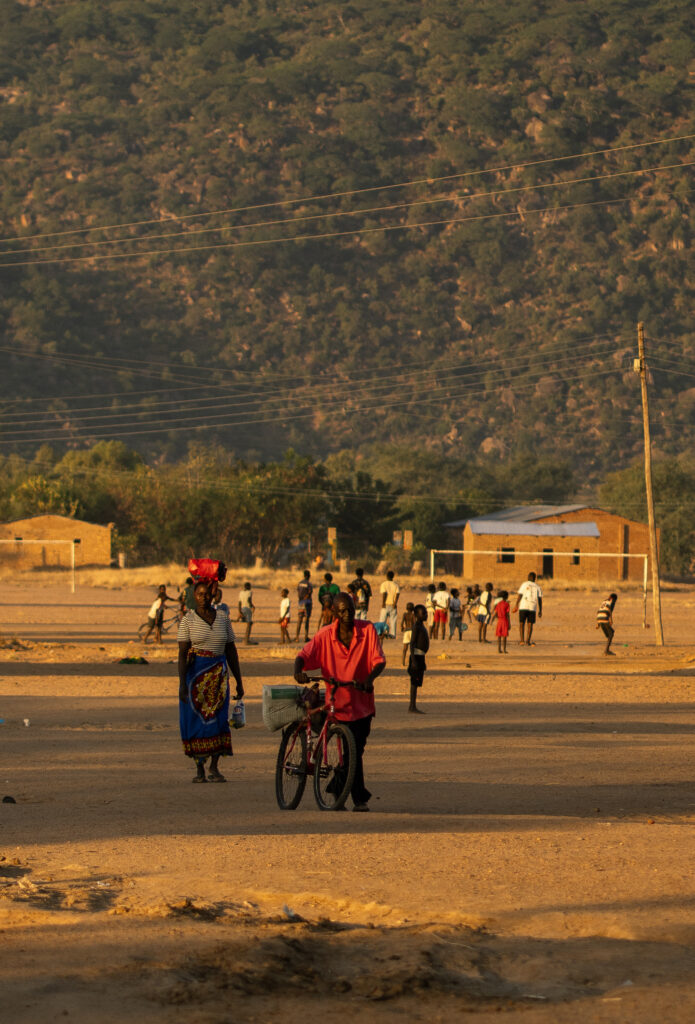
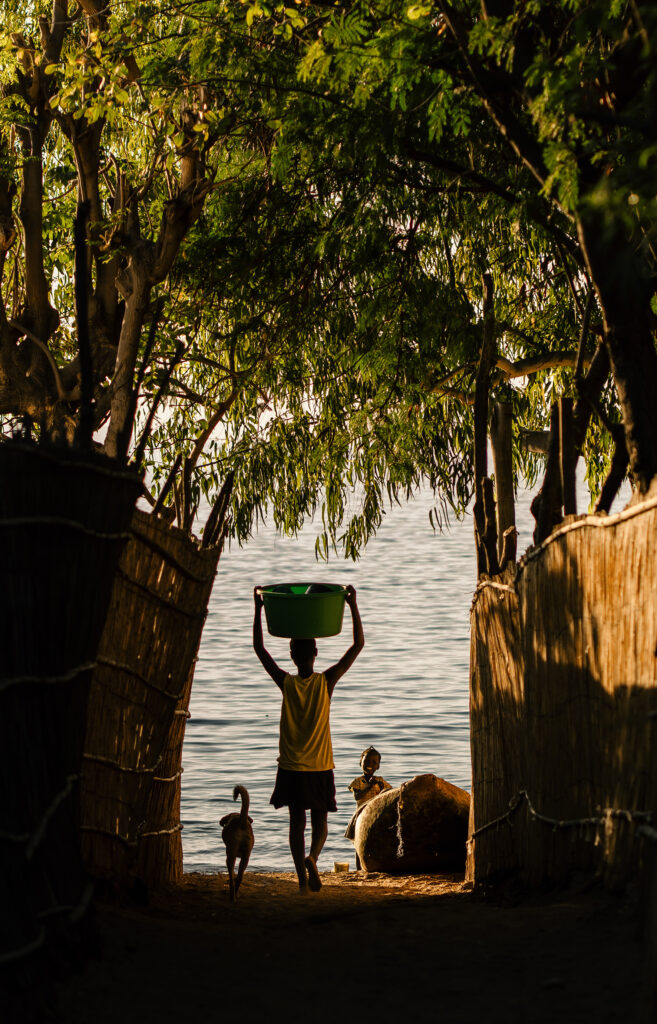
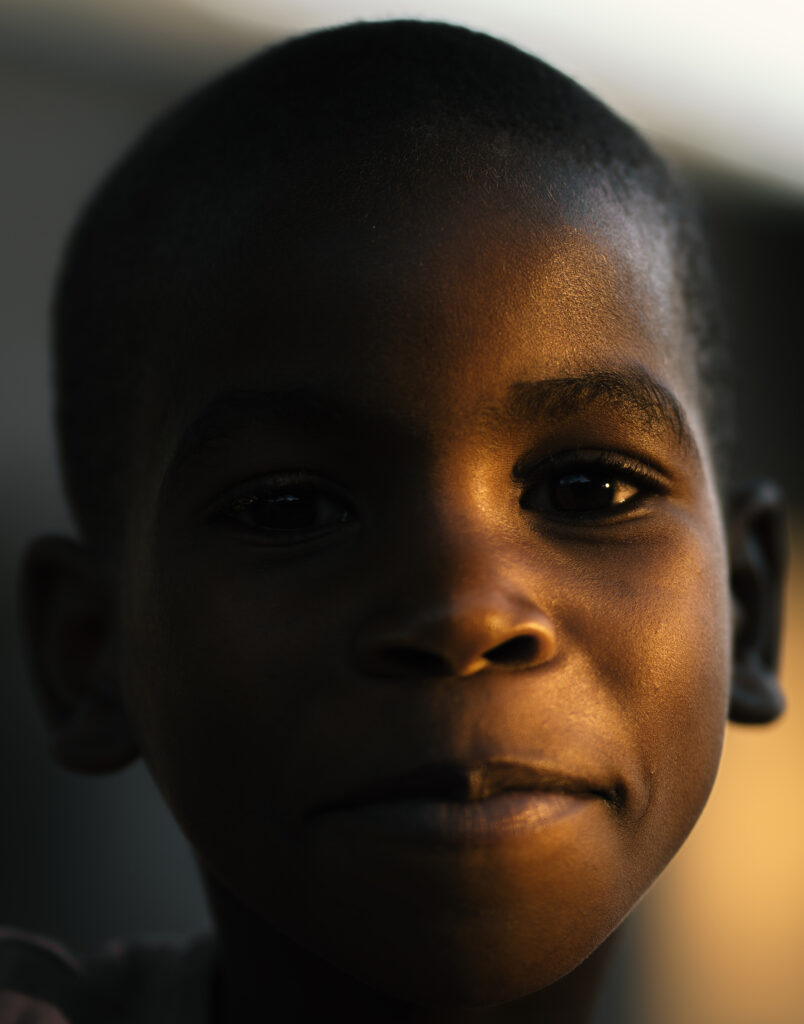
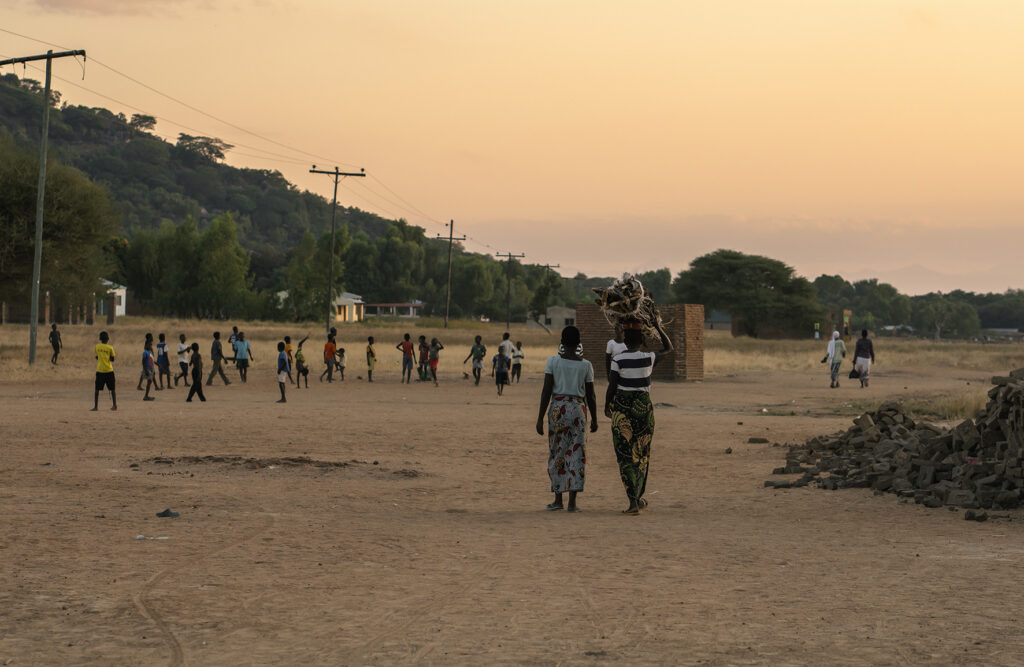
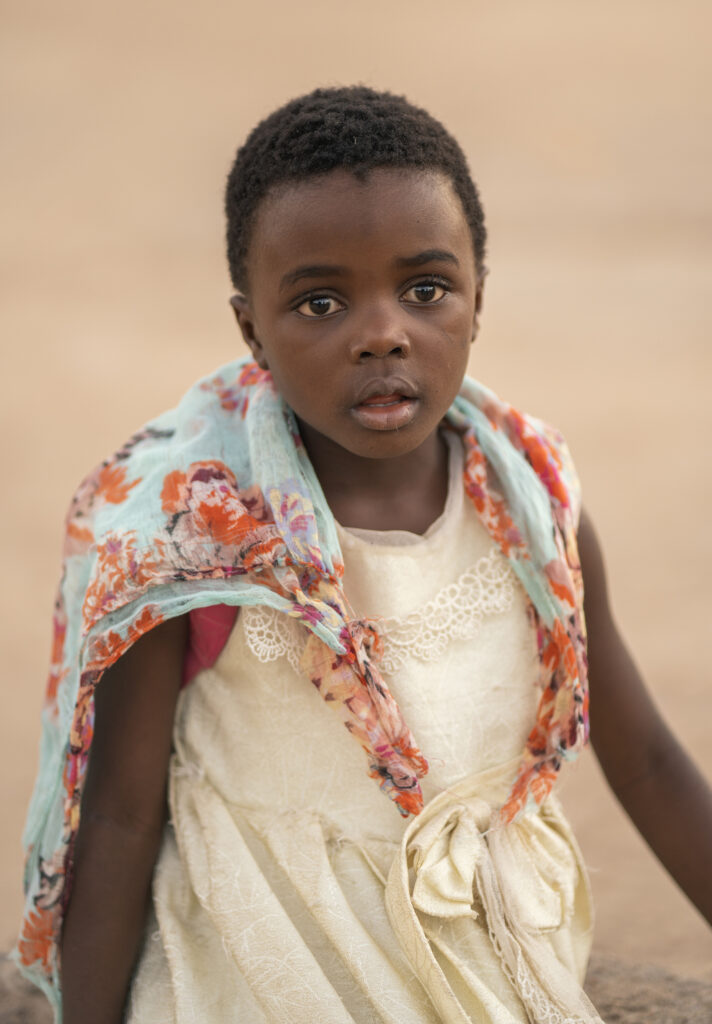
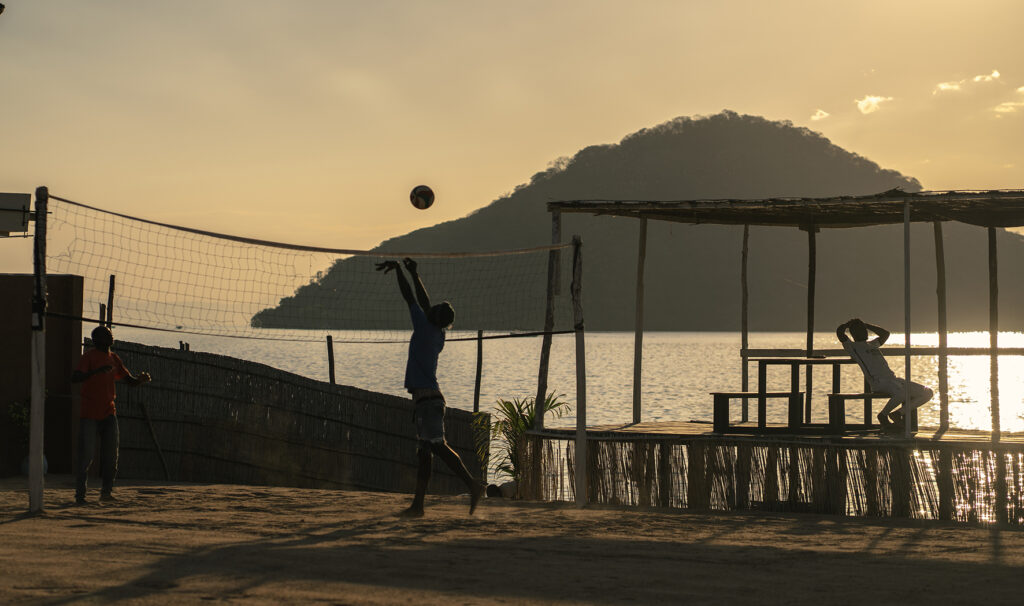
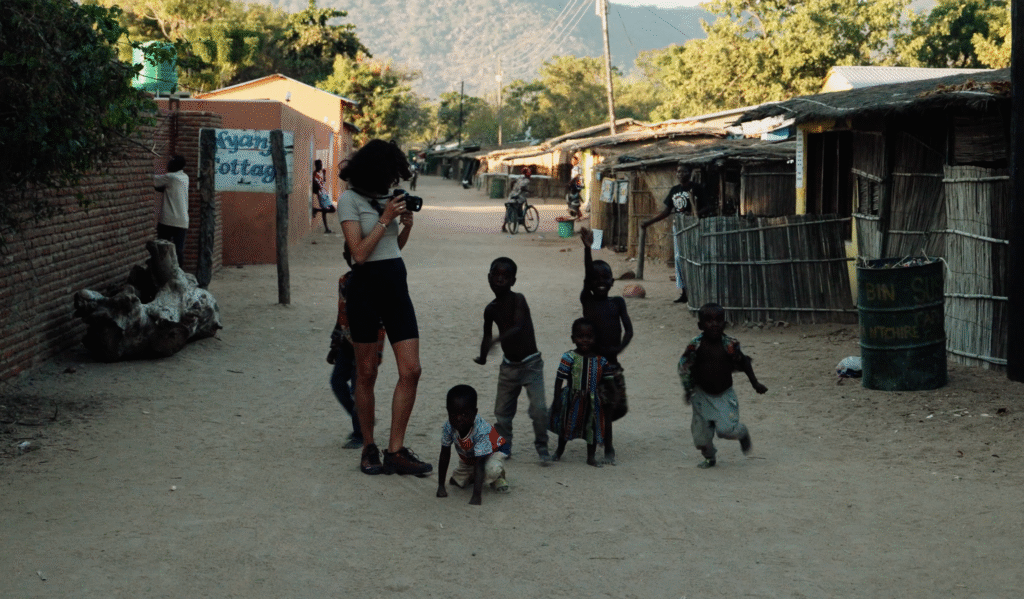
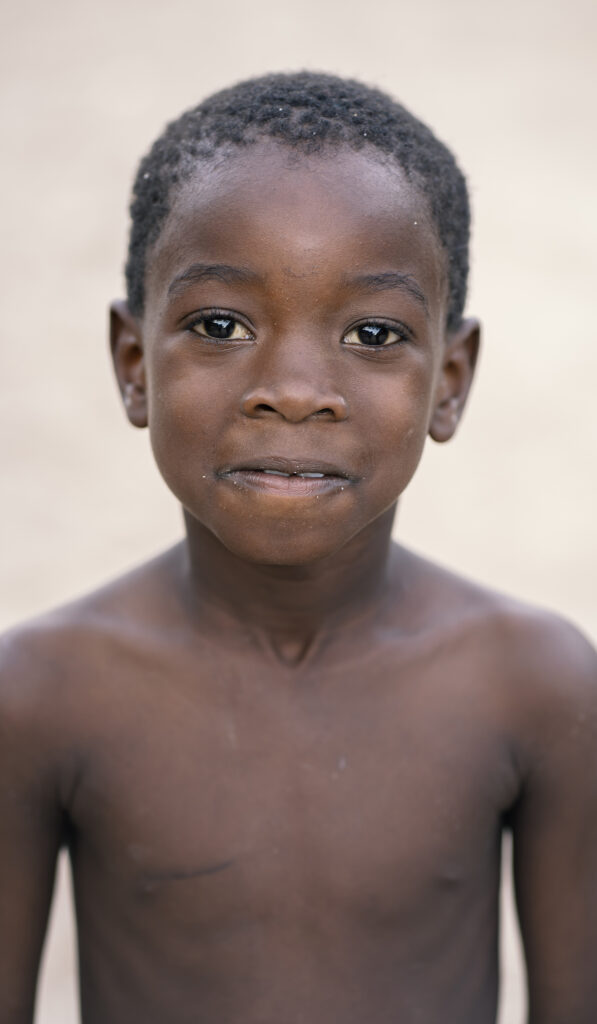
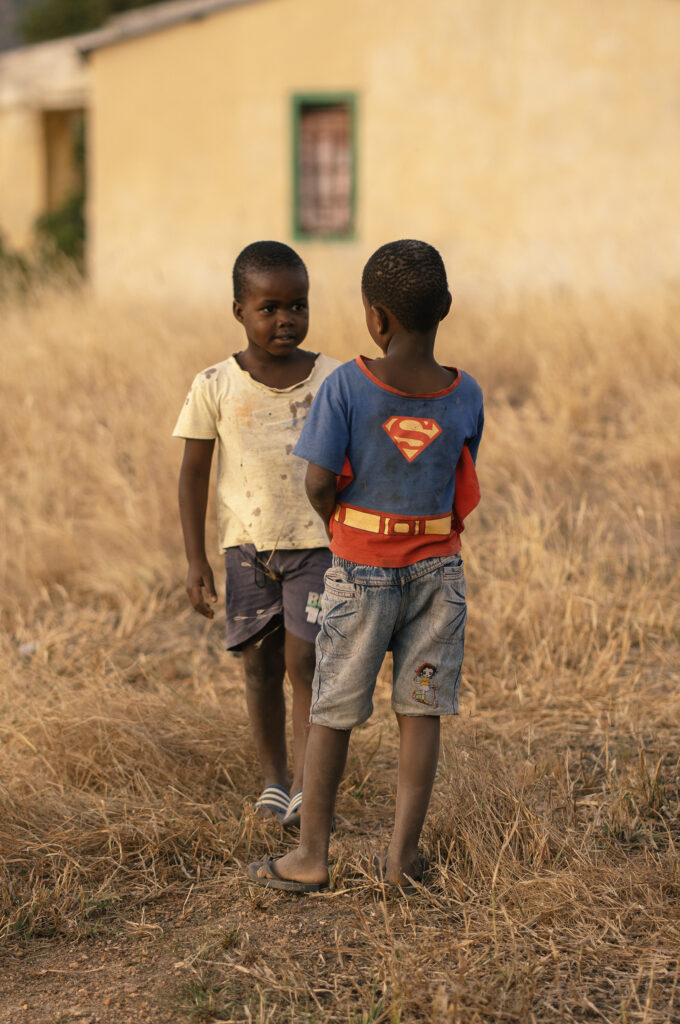
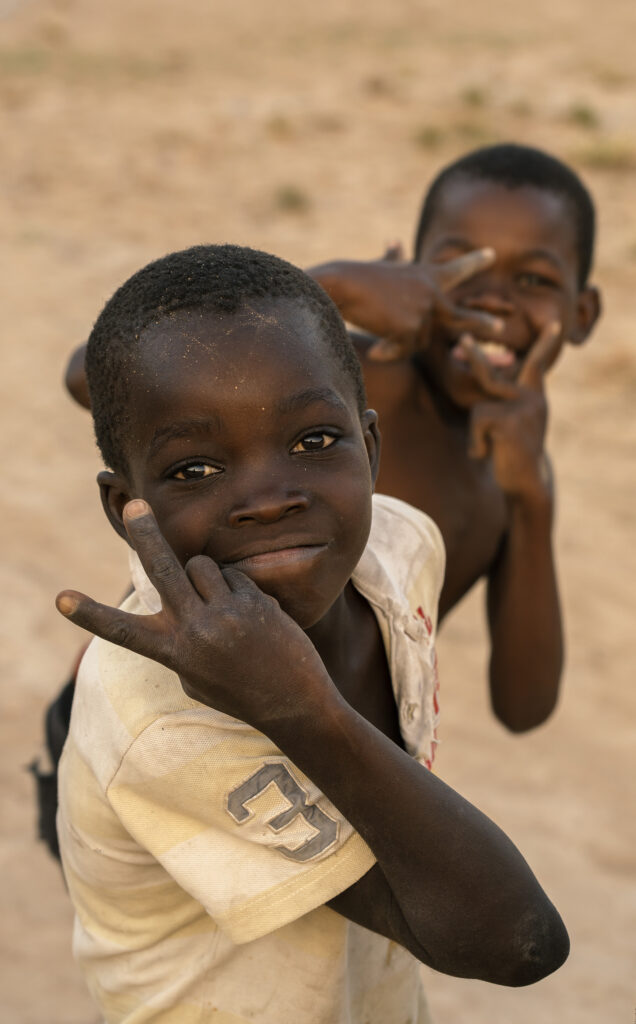
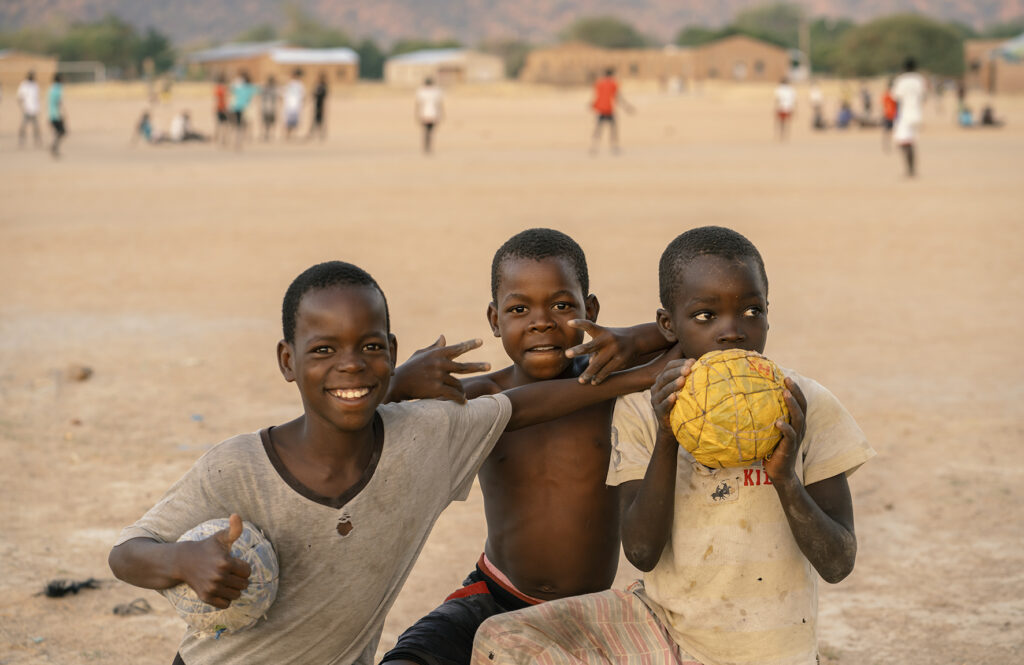
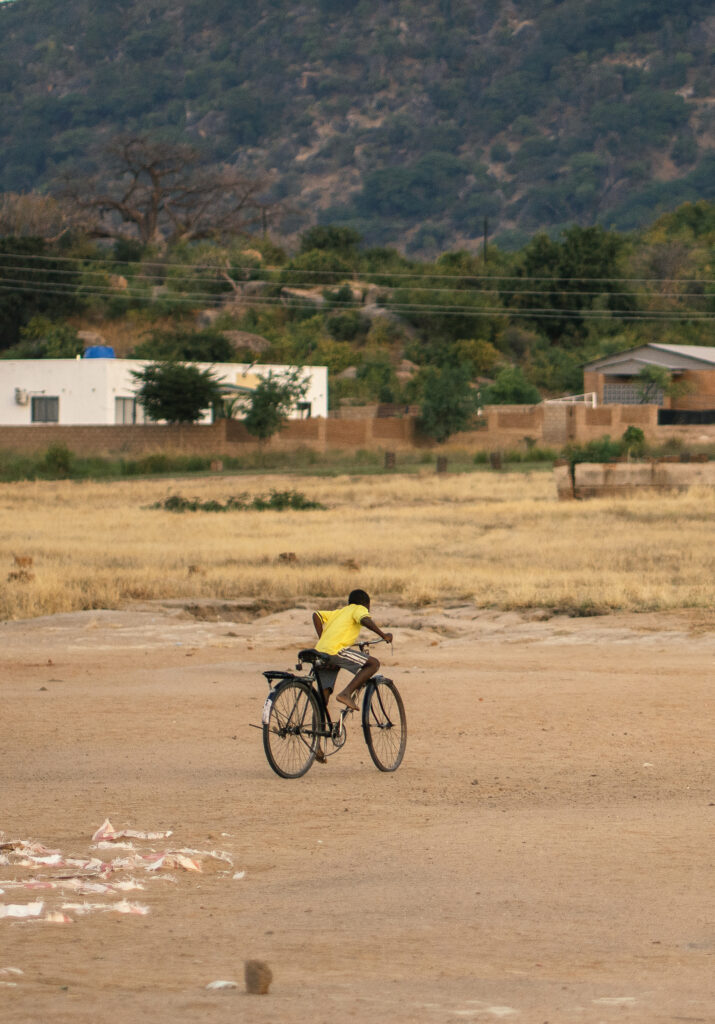
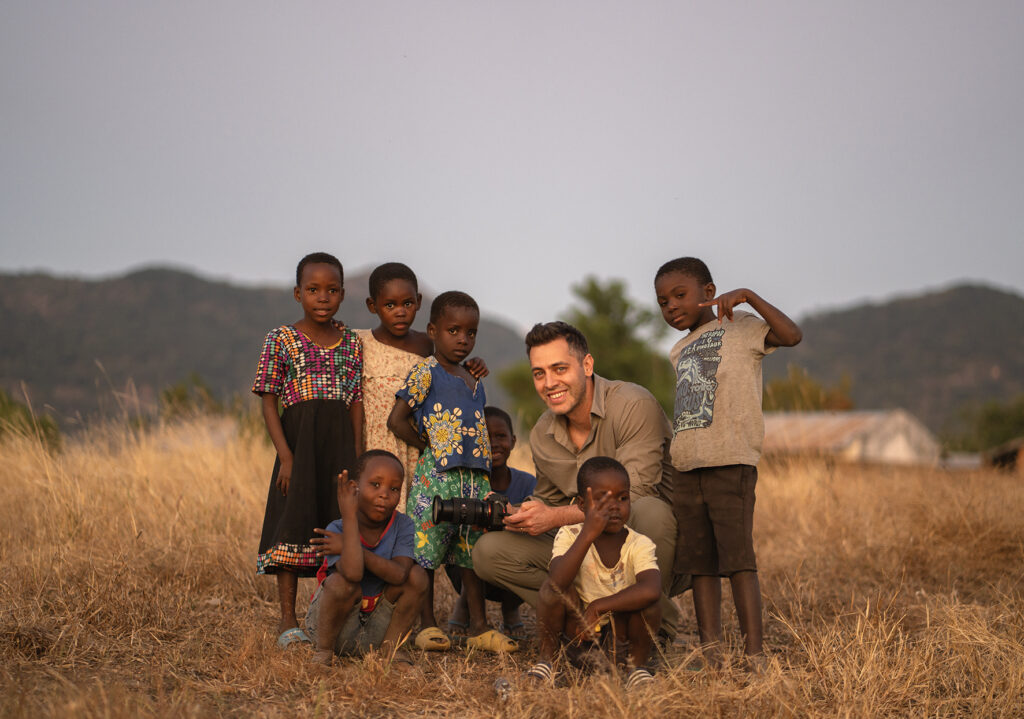
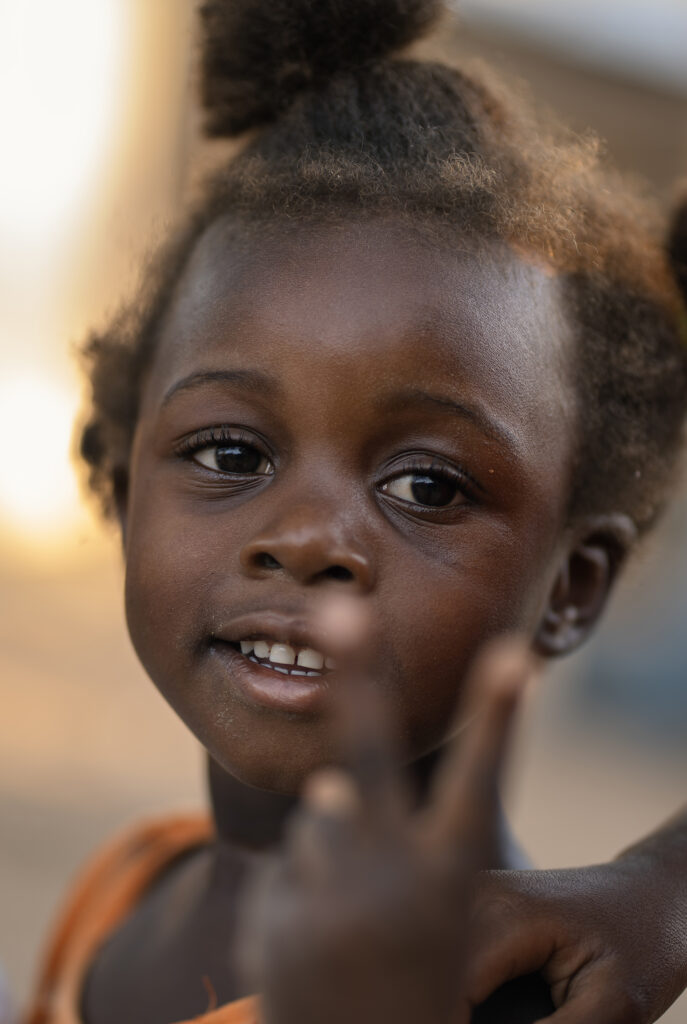
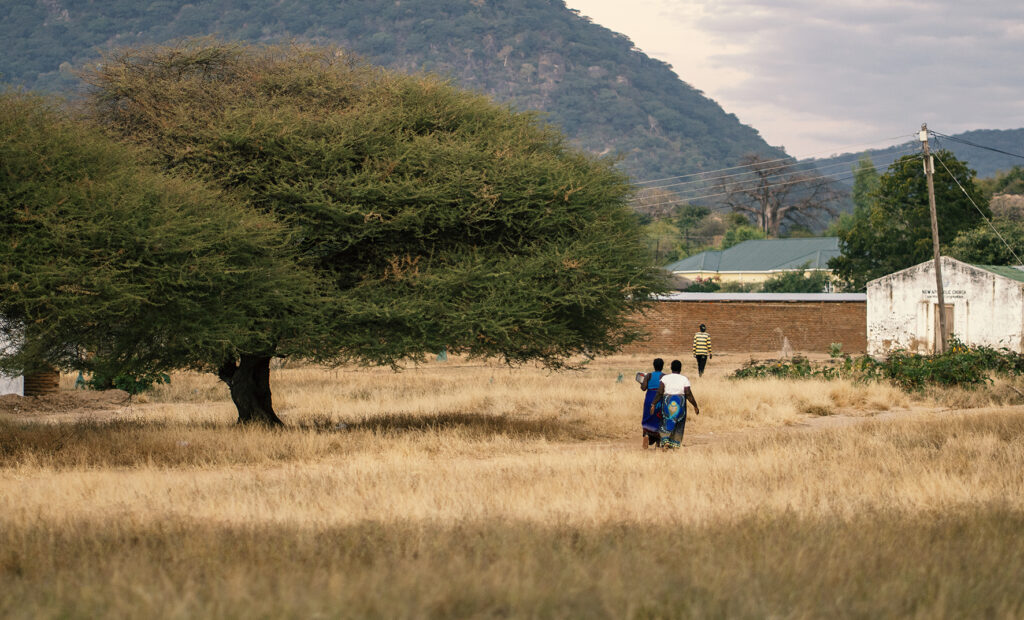
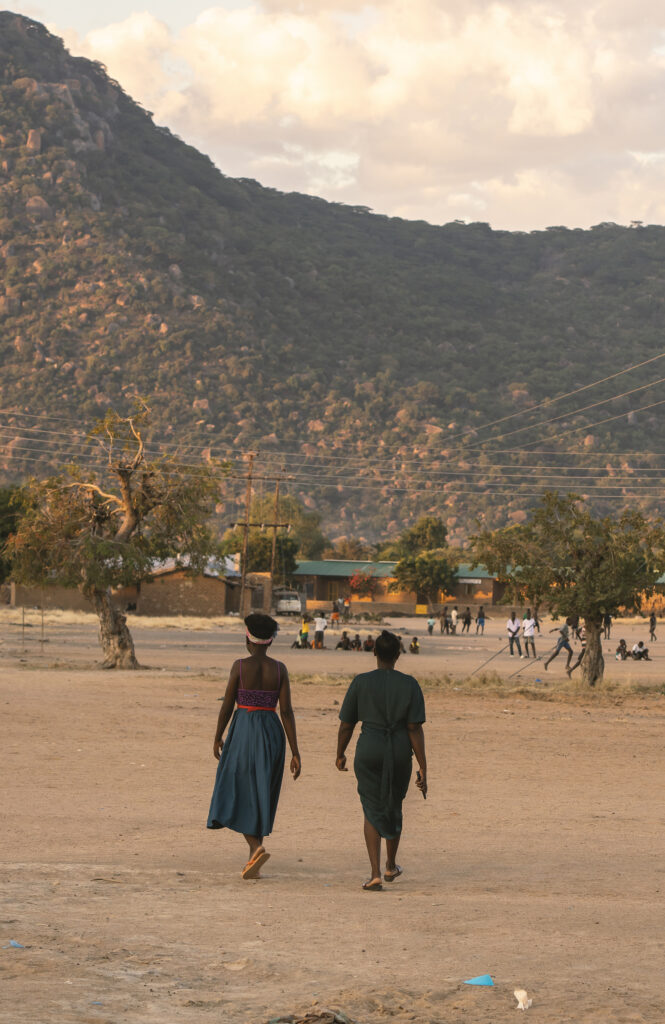
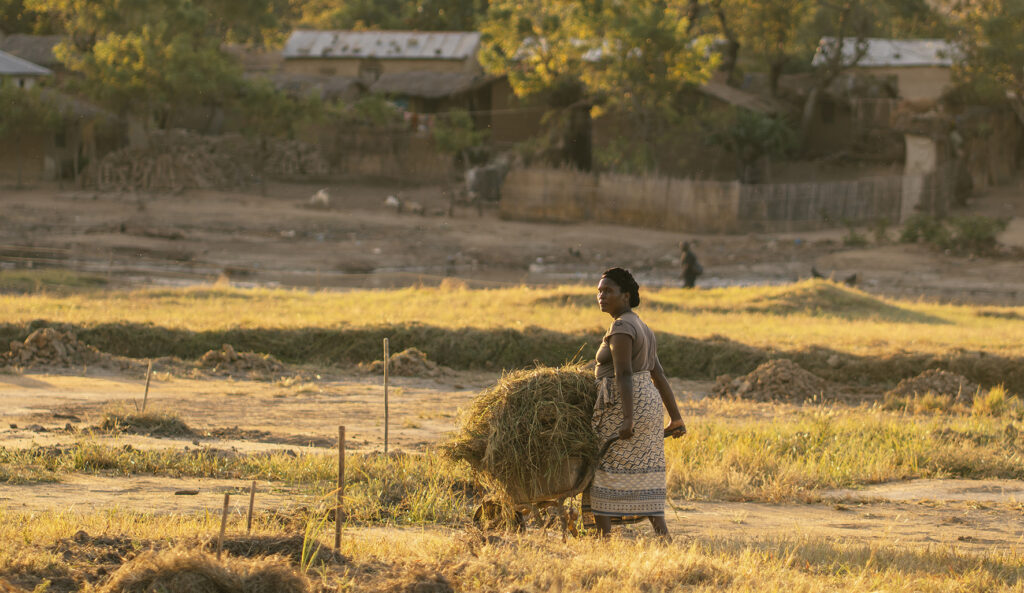
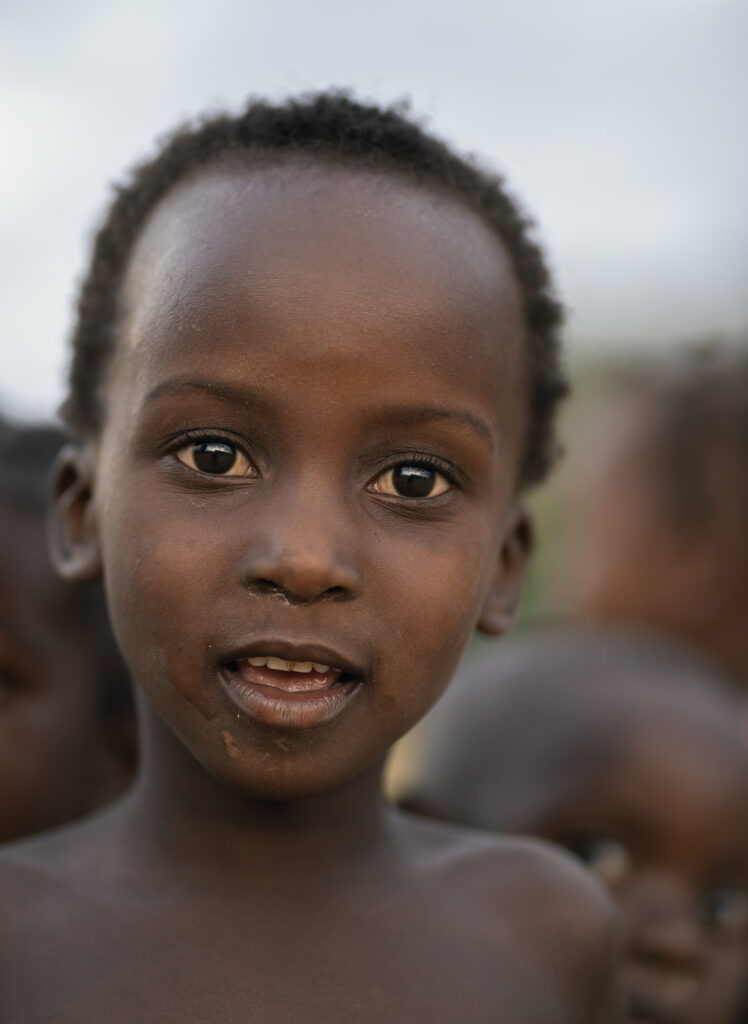
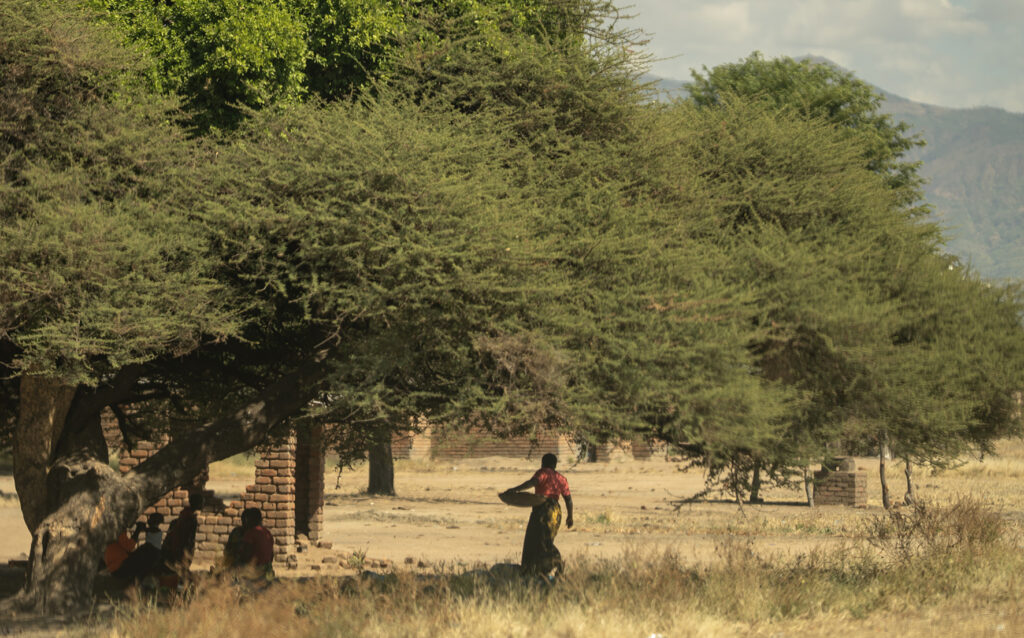
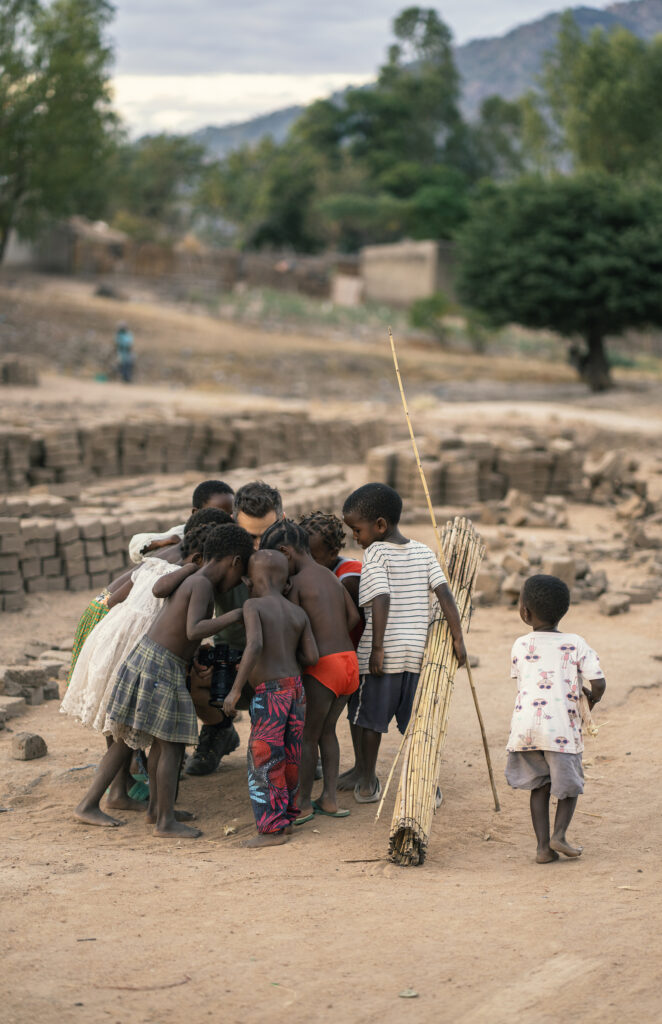
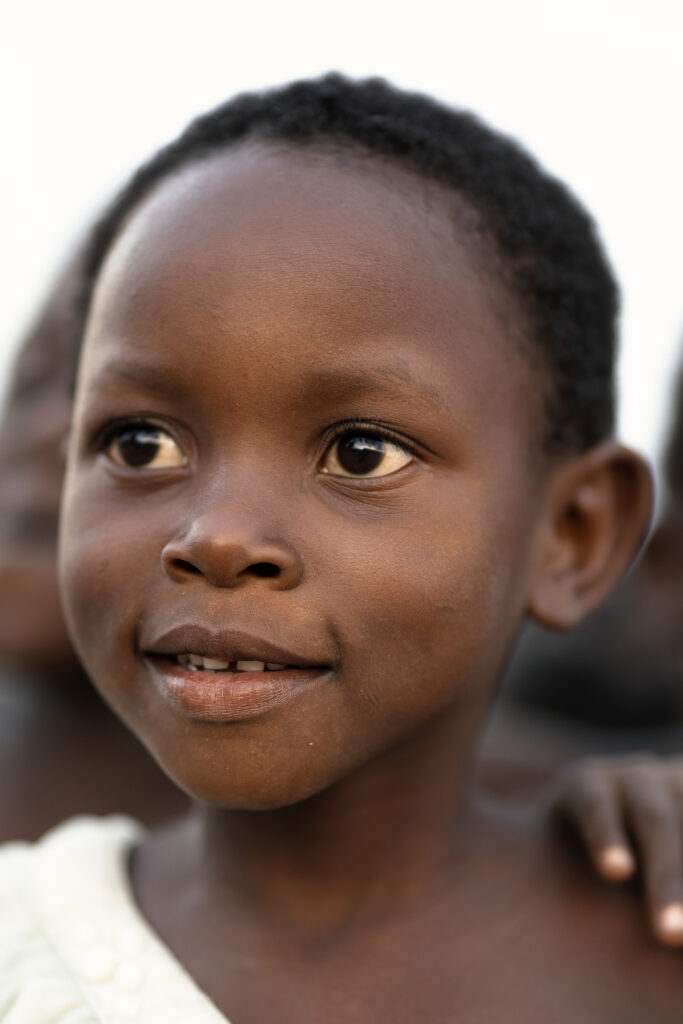
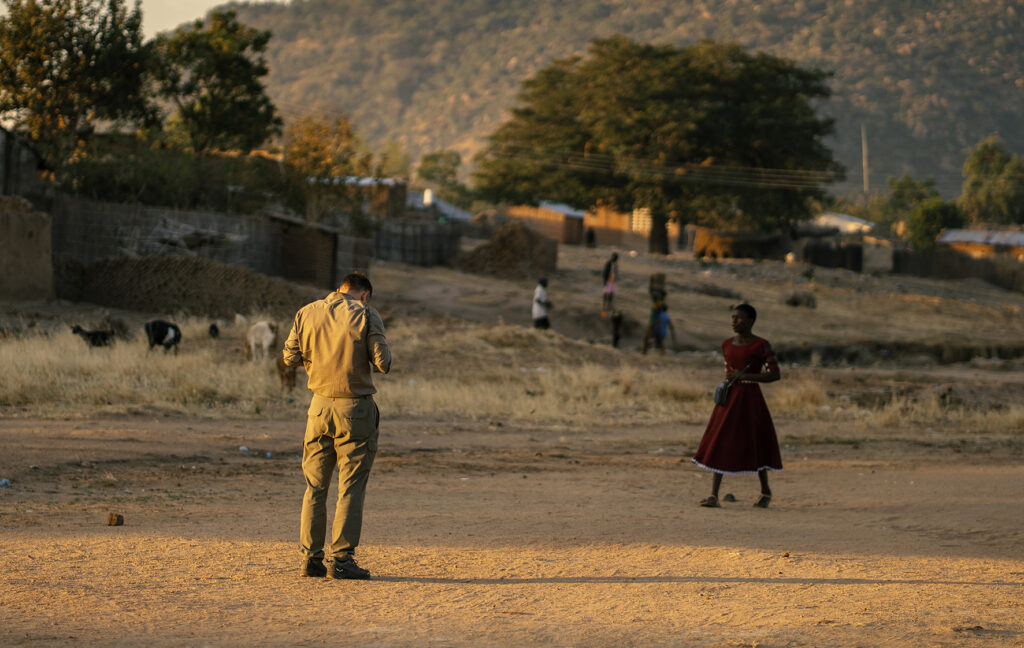
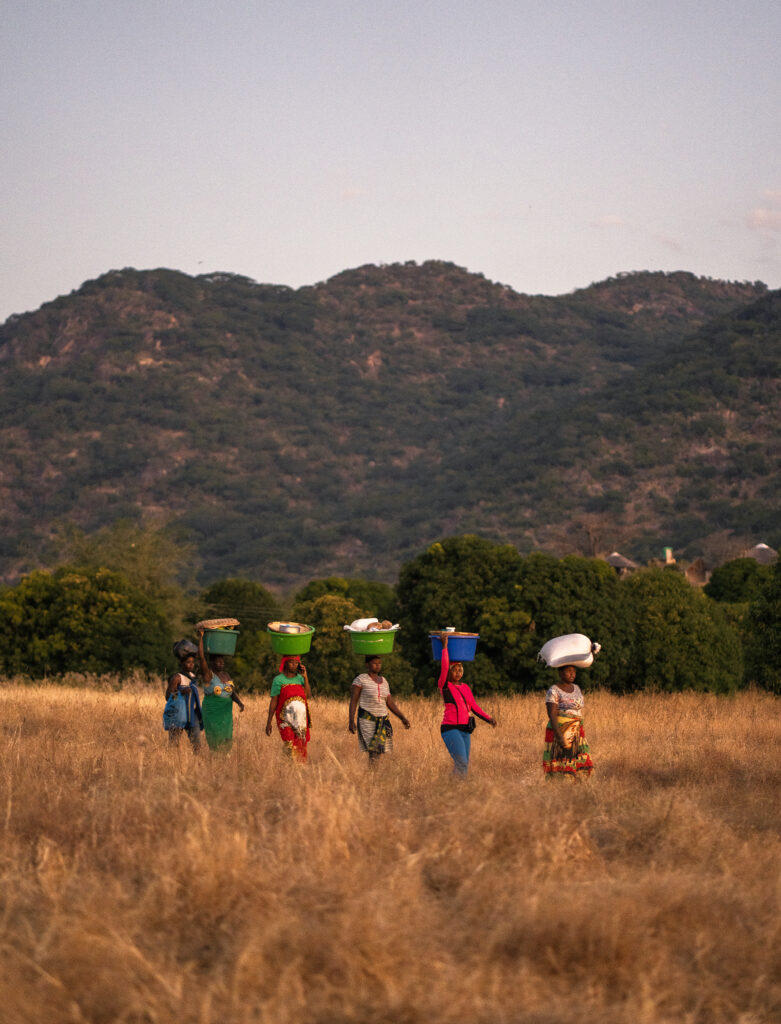
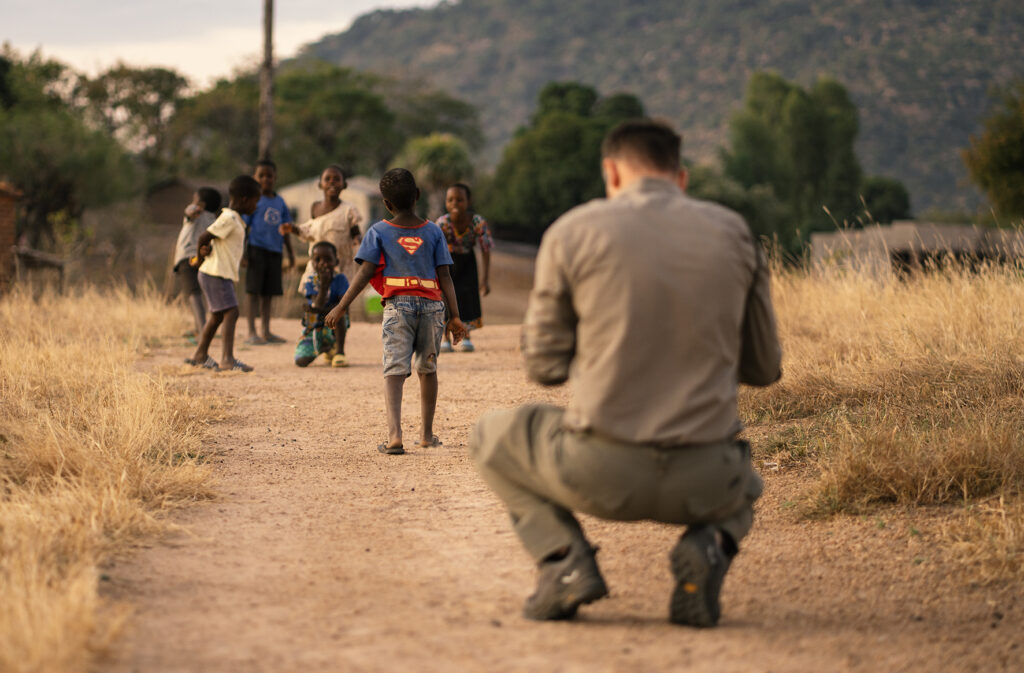
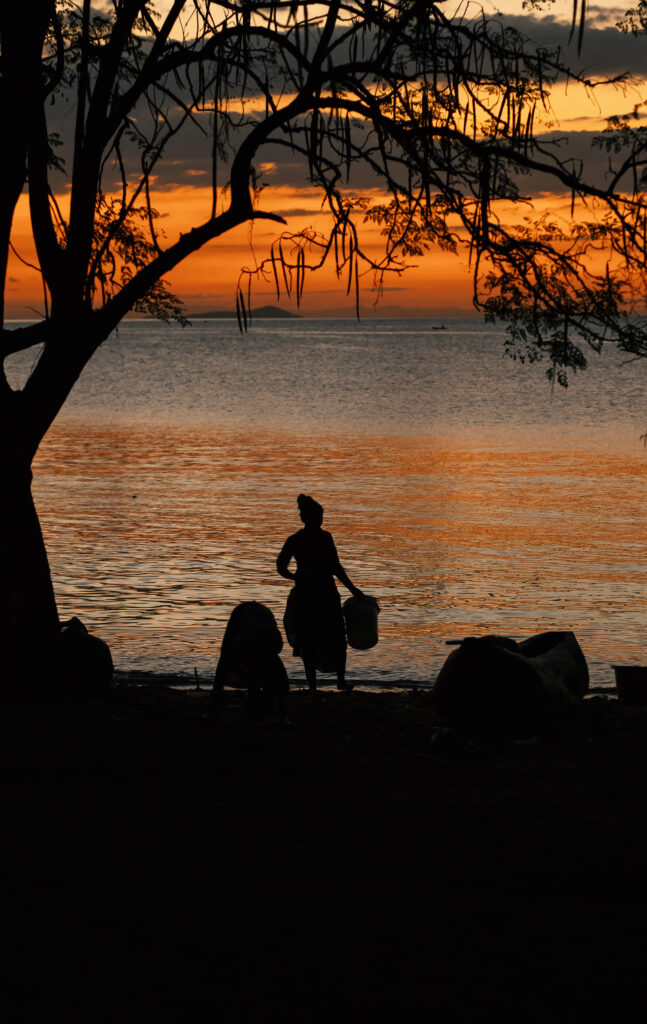
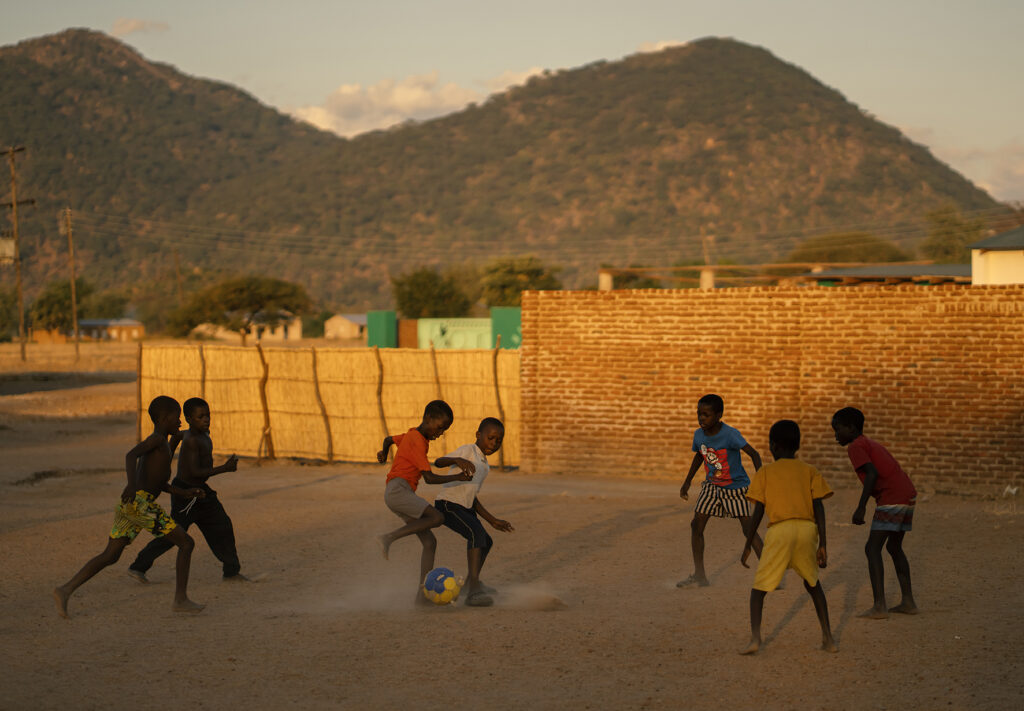
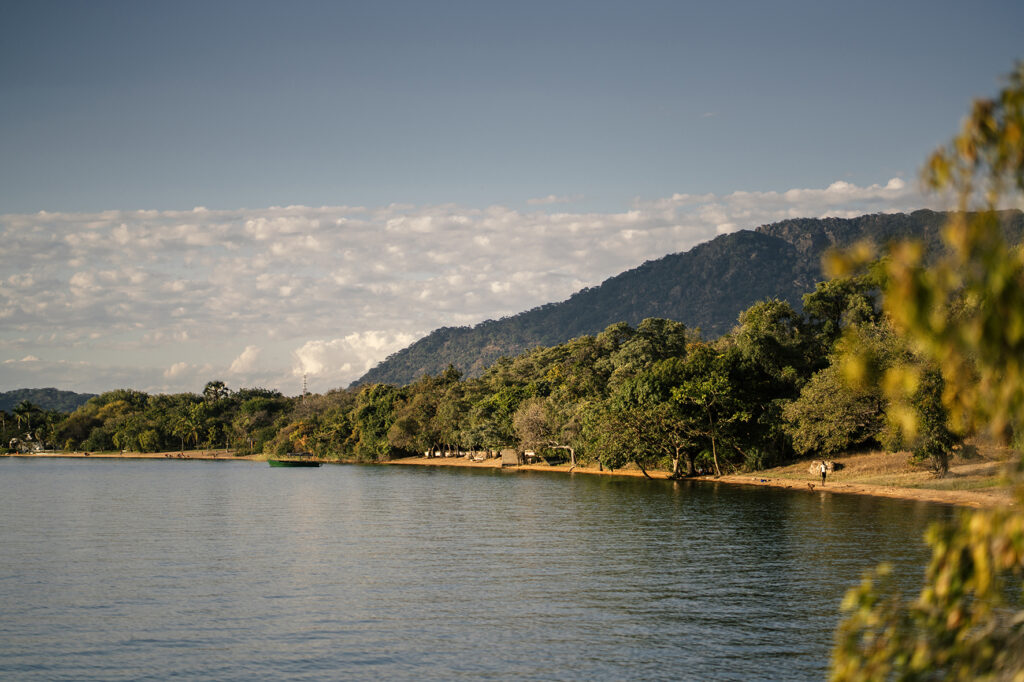
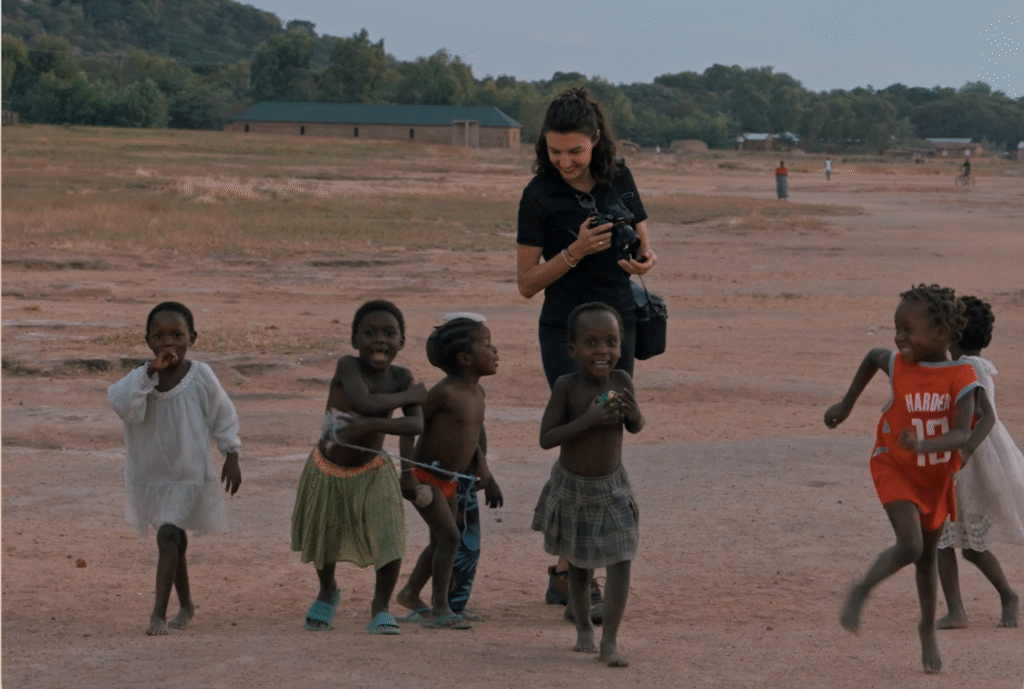
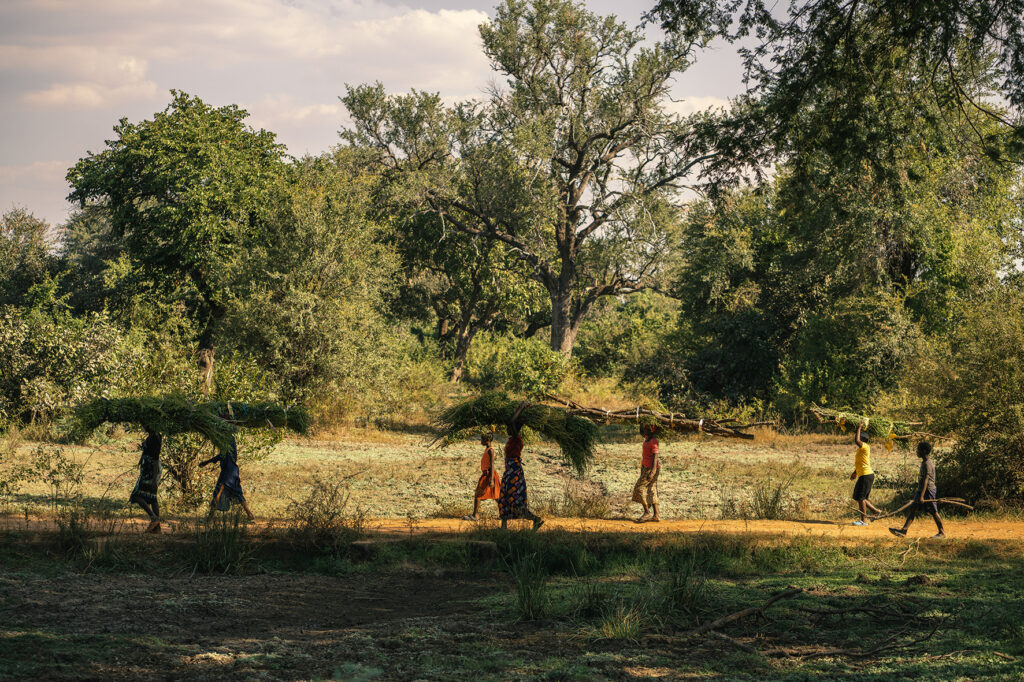
We decided to stay a couple of nights in Cape Maclear, on the shore of Lake Malawi. We managed to combine sightseeing and engagement with the locals and we were lucky enough to shoot some great portraits. We stayed at Mgoza Lodge, which was super decent, considering the poverty in the country.
Although we didn`t have enough time to do that, we were recommended by some fellow travellers to go to Mumbo Island. The island has only one accommodation – Mumbo Island Lodge, that can be booked through Kayakafrica.
From Cape Maclear you can walk to The Otter Point, passing the Golden Sand hotel ruins, which stands as a collection of quiet, overgrown ruins right on the shores of Lake Malawi. The hotel was built in 1946 as the Glengeary Hotel by Mrs. Wynne-Jones. It operated as a premier lakeside destination for decades before eventually closing its doors in the early 1990s.
Lake Malawi National Park offers some hiking trails in the area, as well, such as Mount Nkhunguni peak trail.
What else to visit in Malawi
Liwonde National Park – is in southern Malawi, southeast of the capital, Lilongwe. It runs alongside the Shire River and part of Lake Malombe. Rough tracks and footpaths offer views of wildlife such as elephants, hippos and endangered black rhinos. River, grassland and woodland habitats are home to crocodiles, leopards and antelopes.
Mulanje Massif – The Mulanje Massif, also known as Mount Mulanje, is a large inselberg and World Heritage Site in southern Malawi. Sapitwa Peak, the highest point on the massif at 3,002 m, is the highest point in Malawi.
Likoma Island – is a Malawian exclave situated entirely within Mozambican territorial waters on Lake Malawi. Famous for its tranquil atmosphere and stunning beaches, the 18 km² tropical paradise offers excellent freshwater diving, birdwatching, and boasts the towering, Gothic-style St. Peter’s Cathedral.
Kuti Wildlife reserve – is home to a variety of animals native to this area. Although no dangerous predators live here, there are plenty of animals such as zebra, eland, monkeys, giraffe and a great variation of birds. The absence of dangerous game makes the park accessible on foot or by bicycle, which gives you a unique and up-close experience with the bush.
Our itinerary
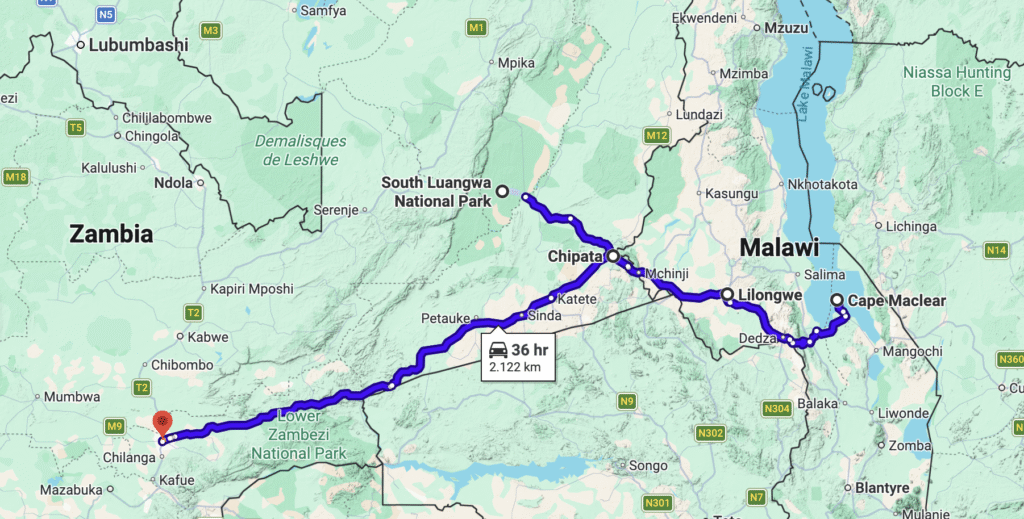
We drove over 2100 km, excluding the game drives, in 10 days. It was a bit tiring but definitely doable. We would have liked a couple of extra days in Lake Malawi, to have the chance to go to Mumbo island but I guess you can`t have it all. 🙂
Day 1 : we landed in Lusaka about midday and we used the rest of the day to buy groceries and whatever we needed for the trip
Day 2: a super long drive from Lusaka to Wildlife Camp ( South Luangwa National Park ) – 7 am to 20:30 pm, including 1 hour stop in Chipata
Day 3, 4 and 5: game drives in South Luangwa National Park – Wildlife Camp and Track and Trail Camp – night safari booked at Track and Trail
Day 6: morning game drive in South Luangwa; left at 10 am to Lilongwe ; spent 2 hours at the border; arrived at 18:30 pm
Day 7: Lilongwe to Cape Maclear
Day 8: Cape Maclear
Day 9: Cape Maclear back to Lilongwe
Day 10: Lilongwe to Bridge Camp ( 8 am to 16:30 pm )
Day 11: Bridge Camp to Lusaka – 4 hrs
If you found this article useful, check out our Botswana article, as well!
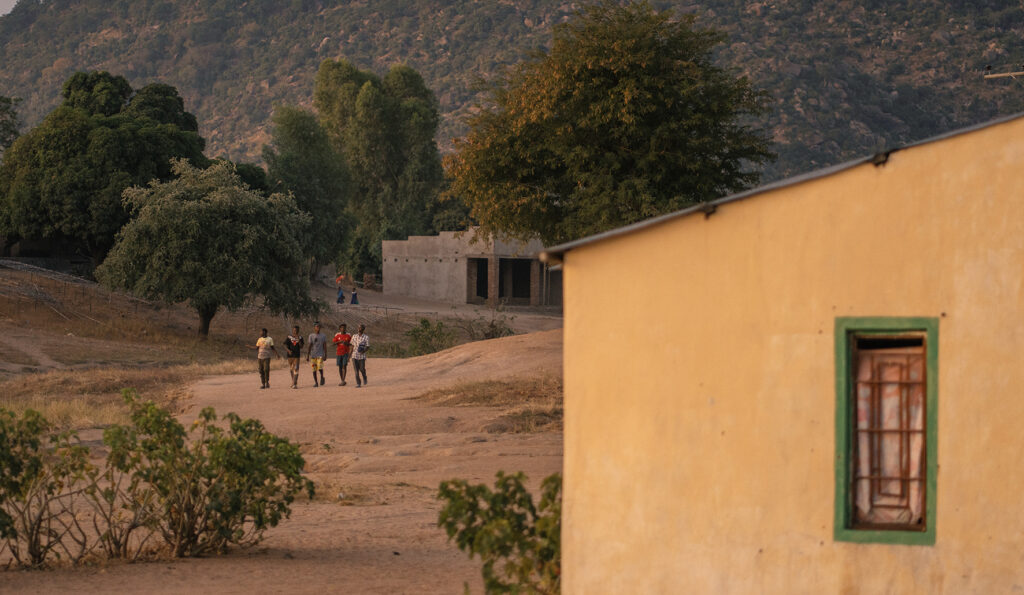
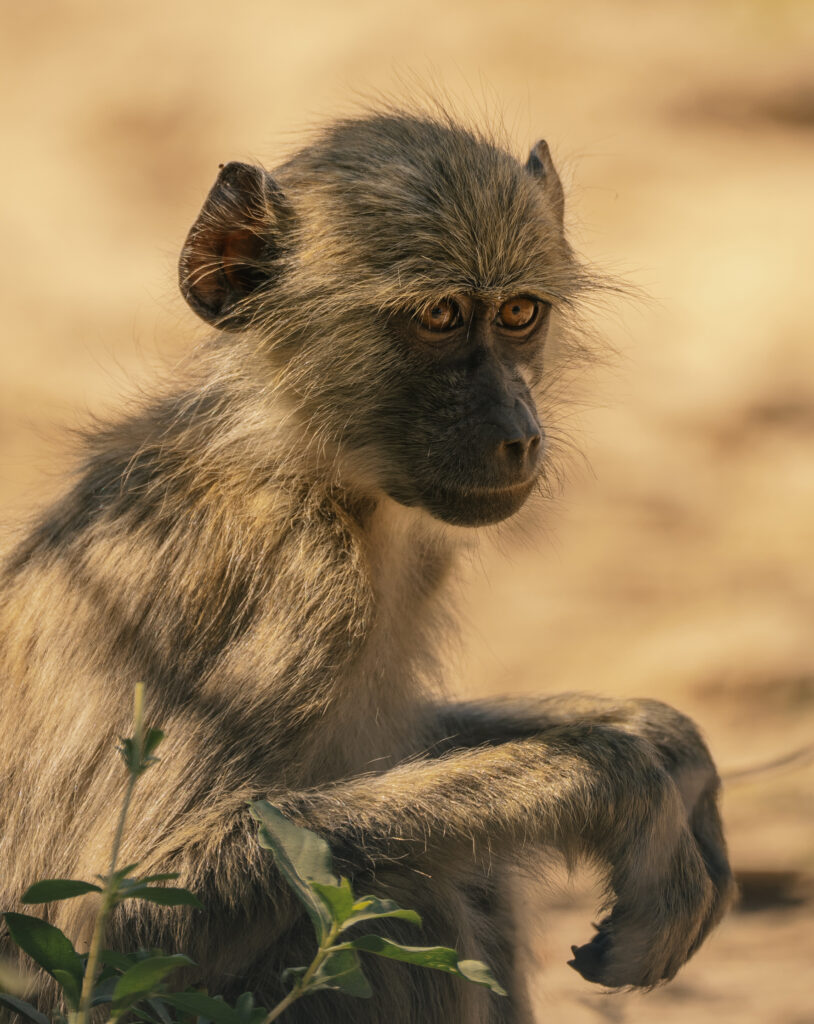
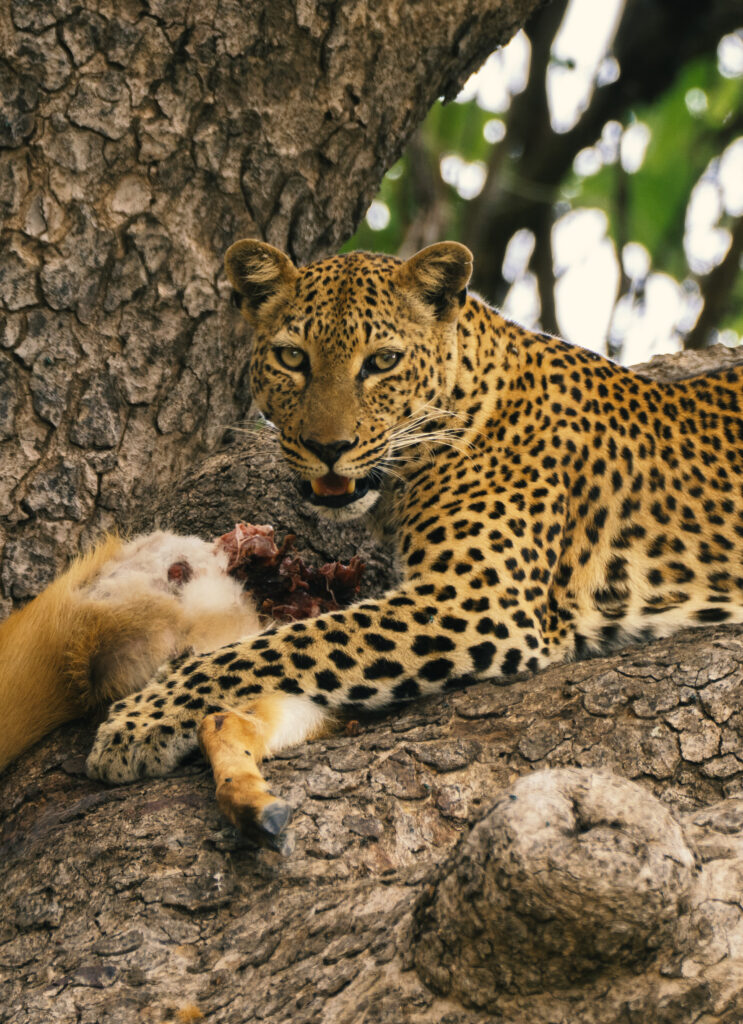
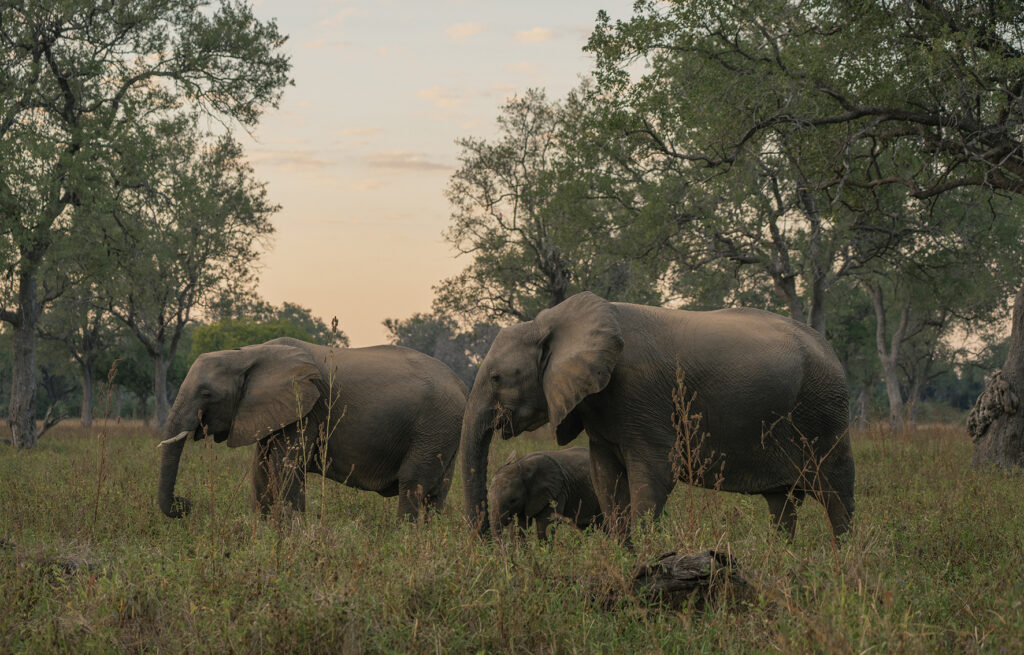
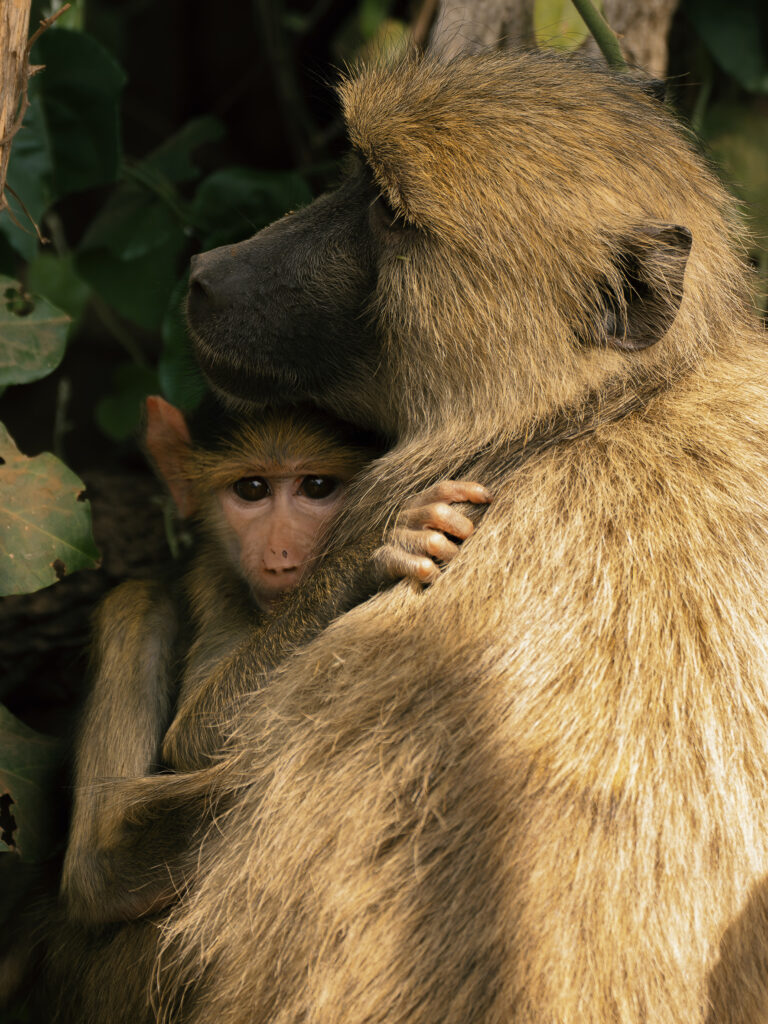
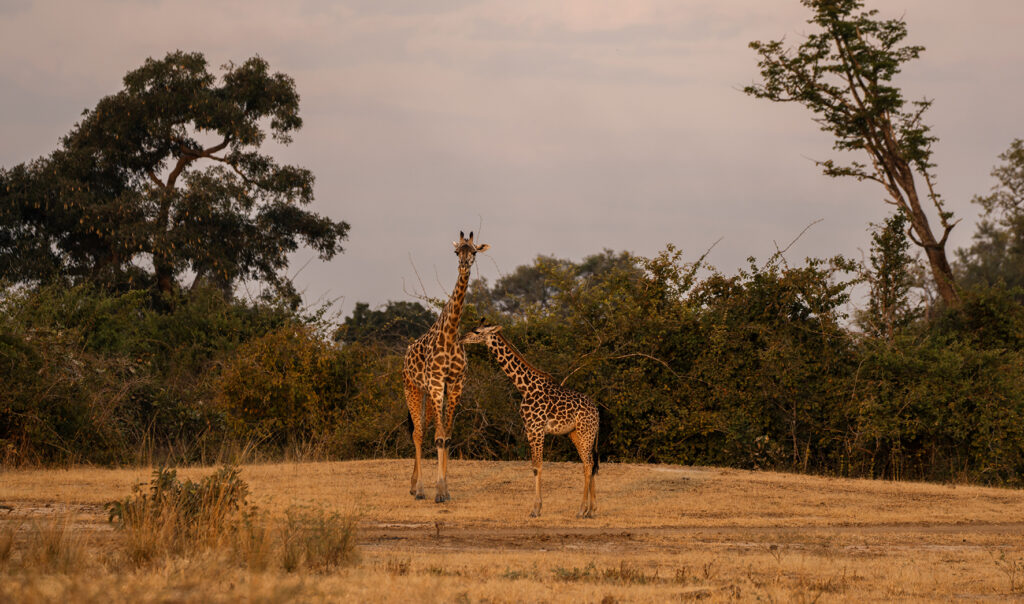
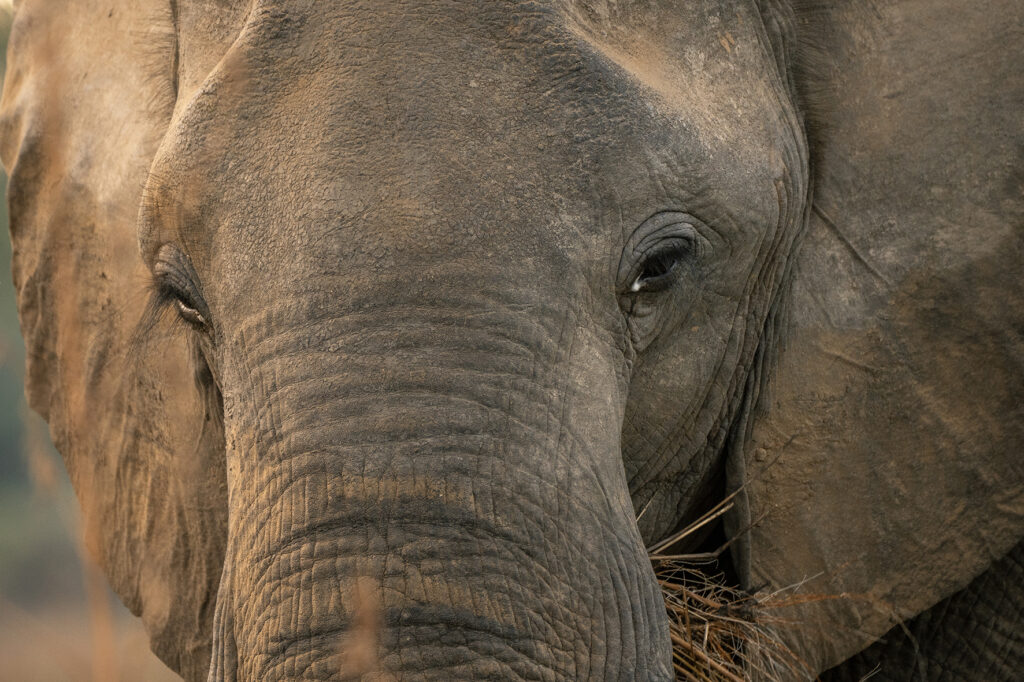
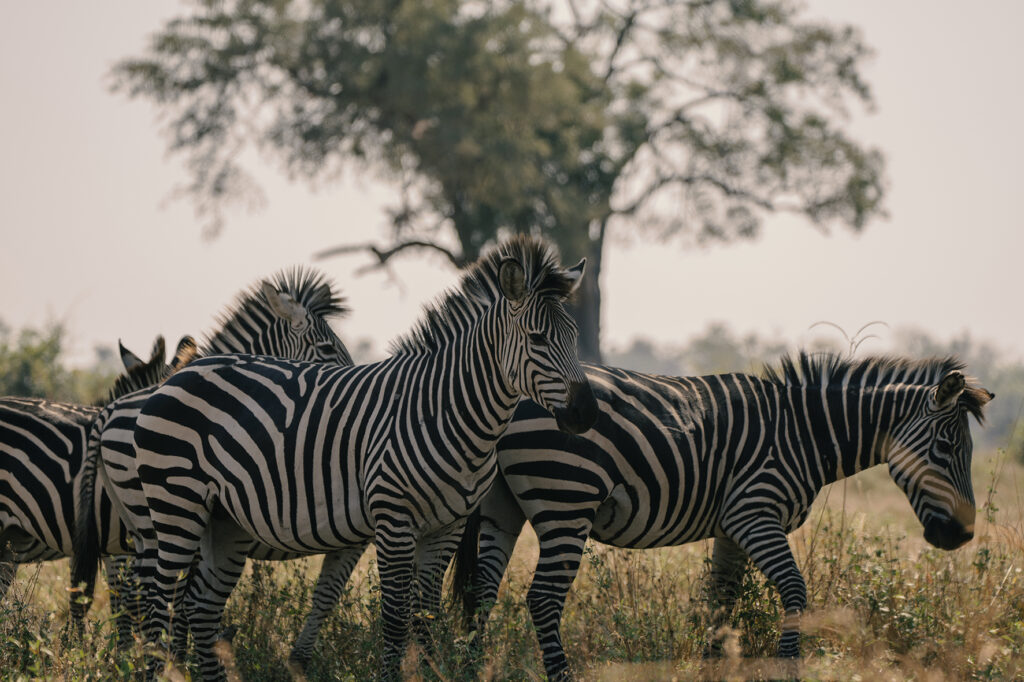
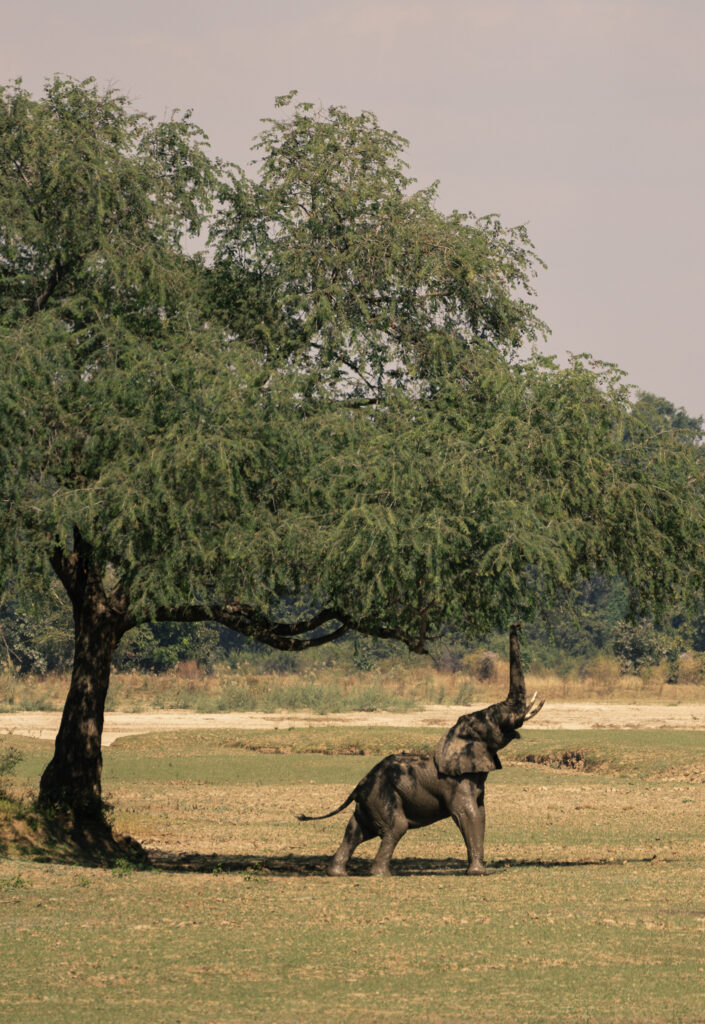
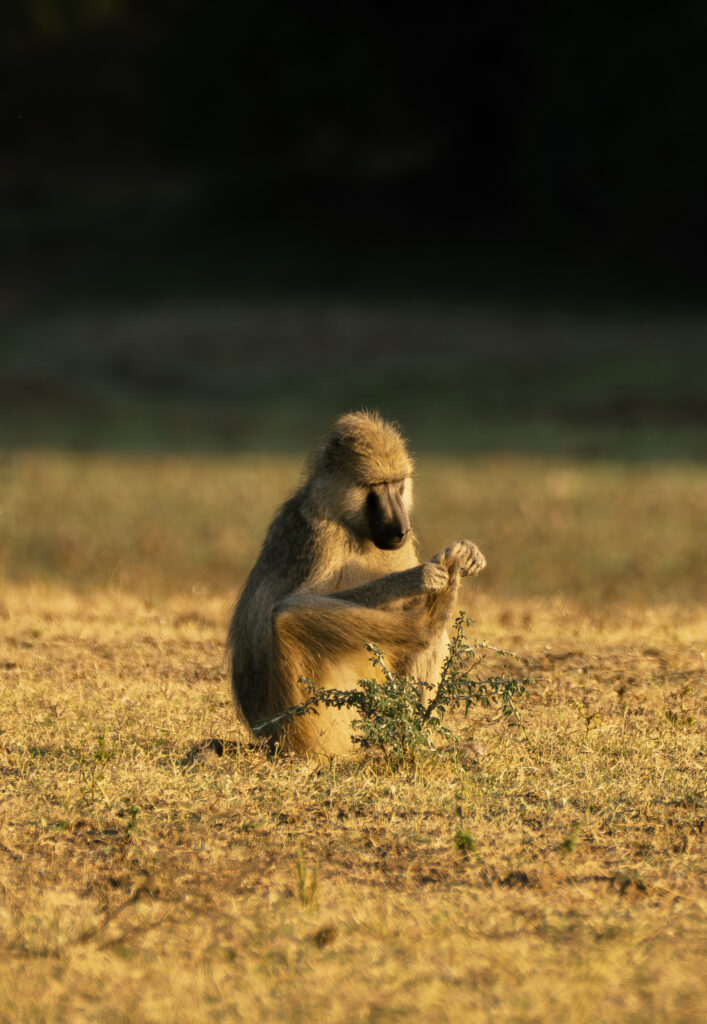
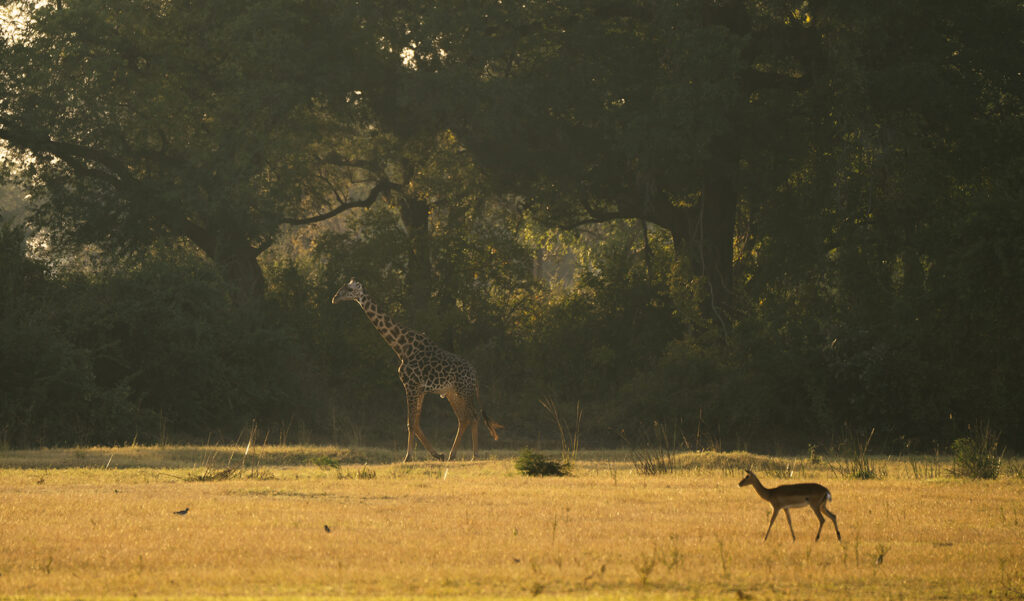
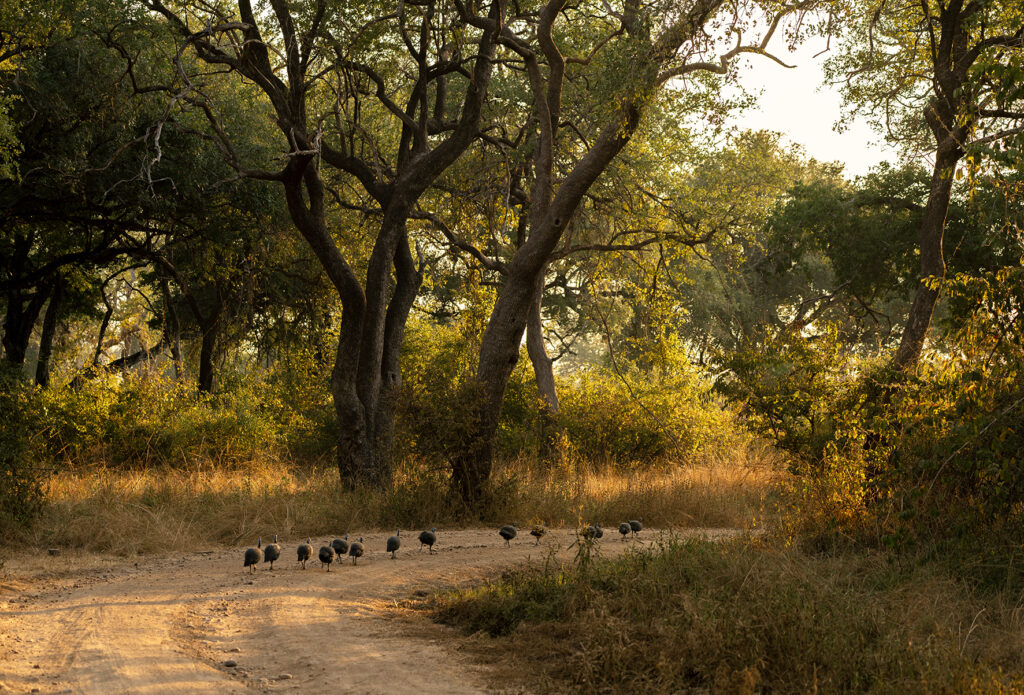
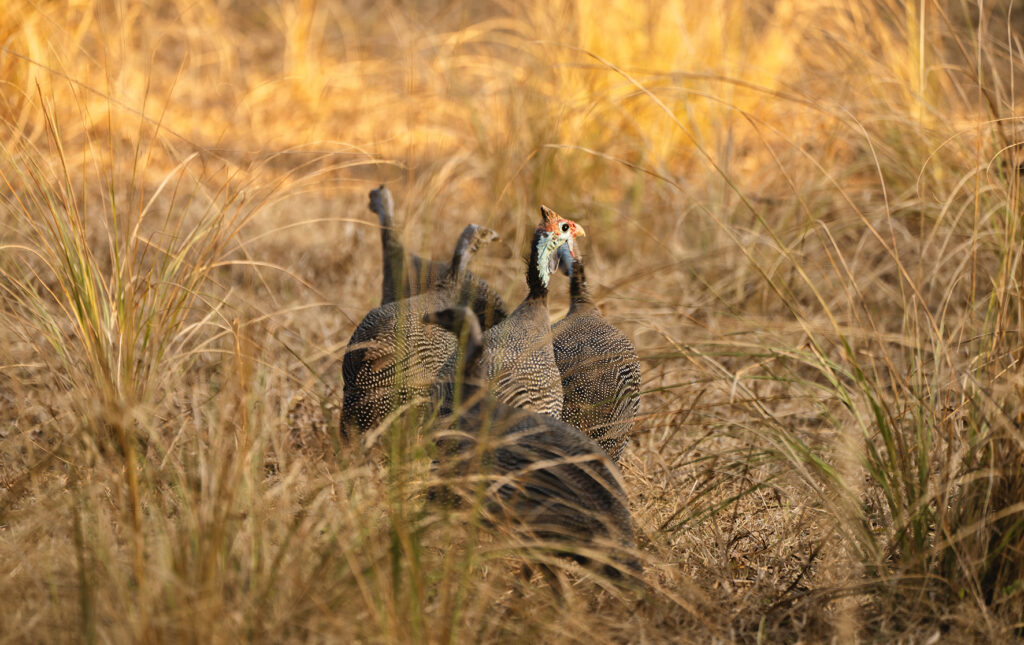
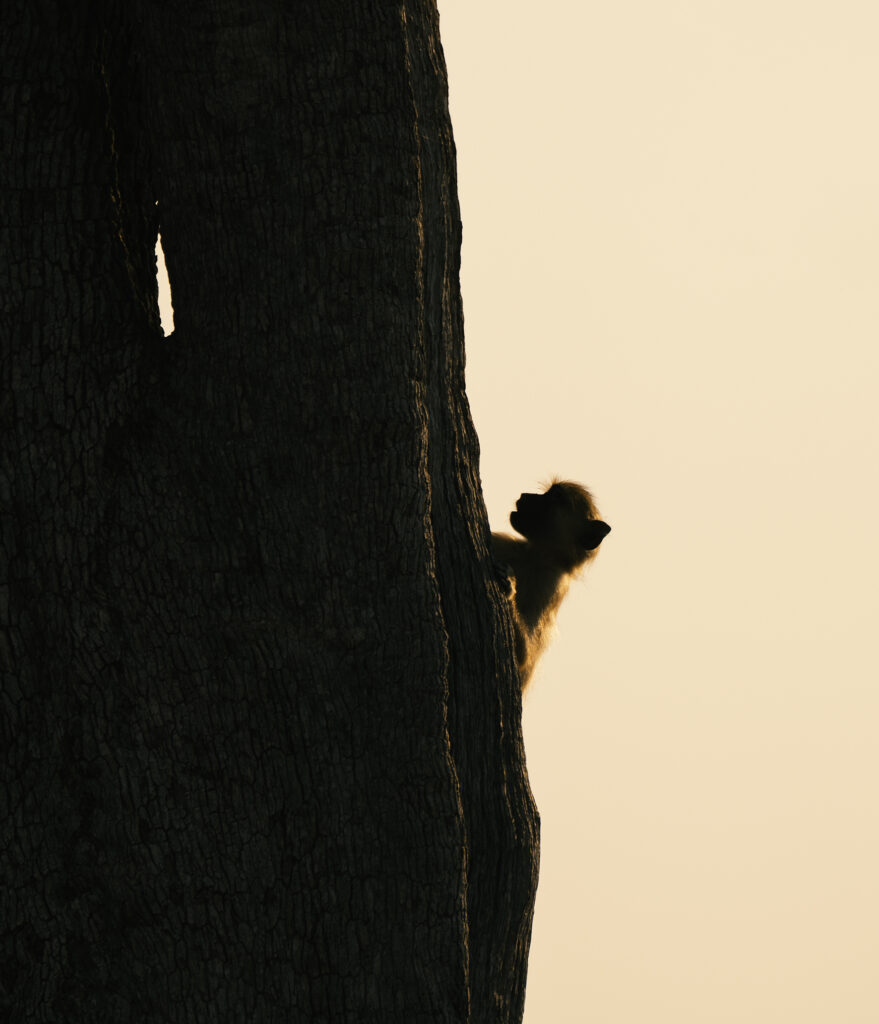
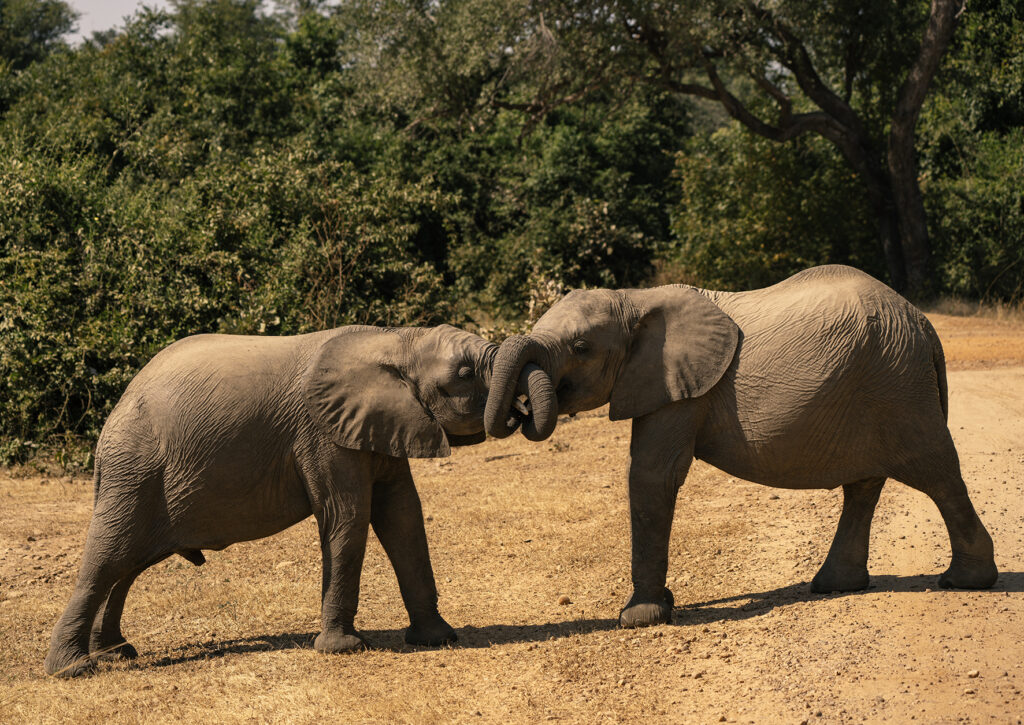
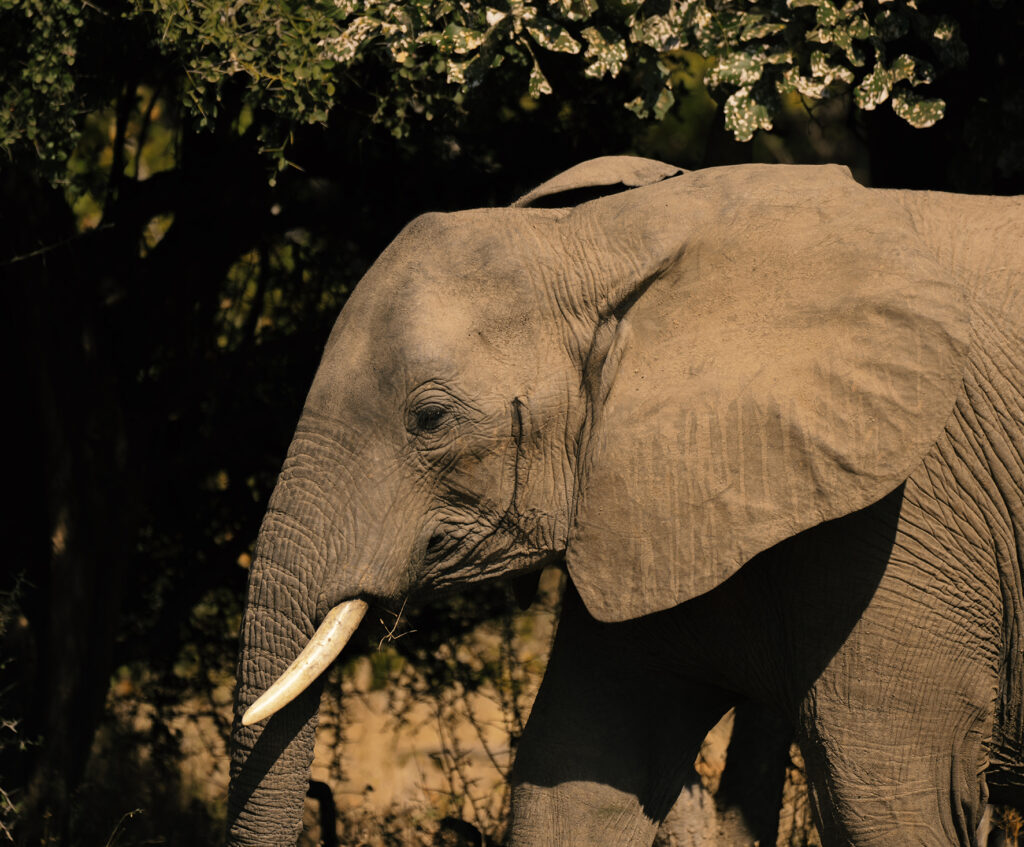
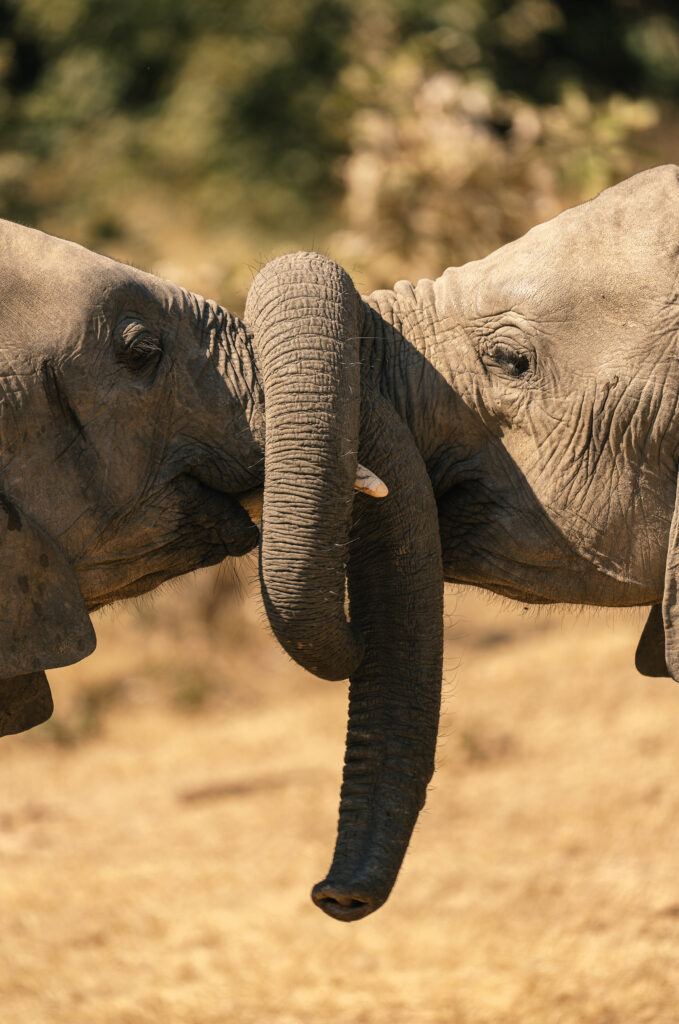
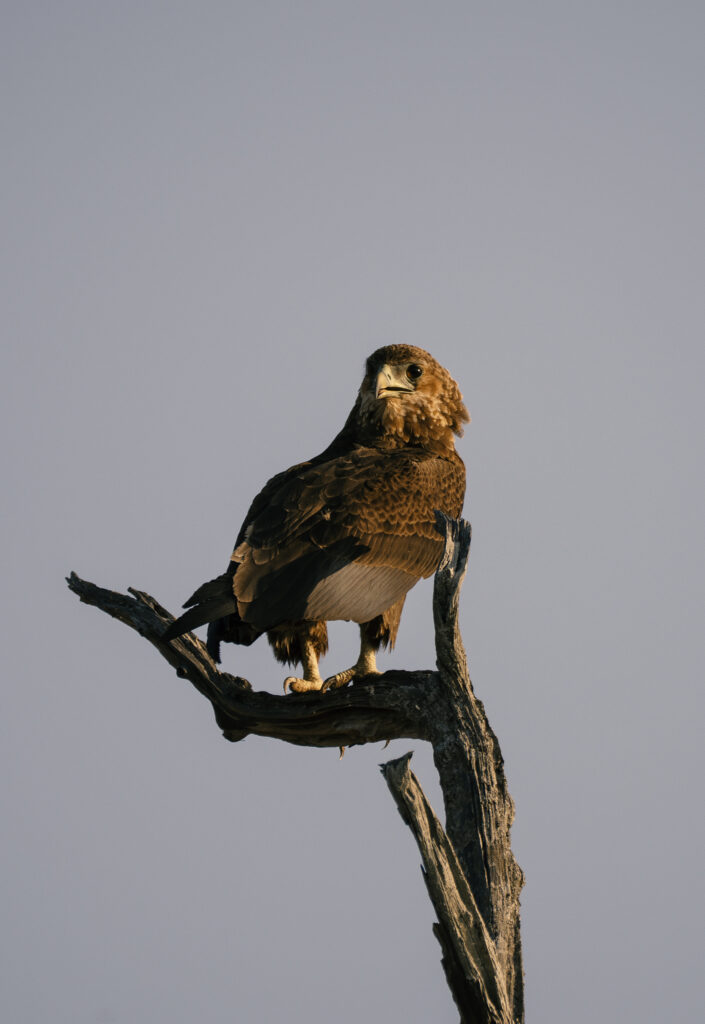
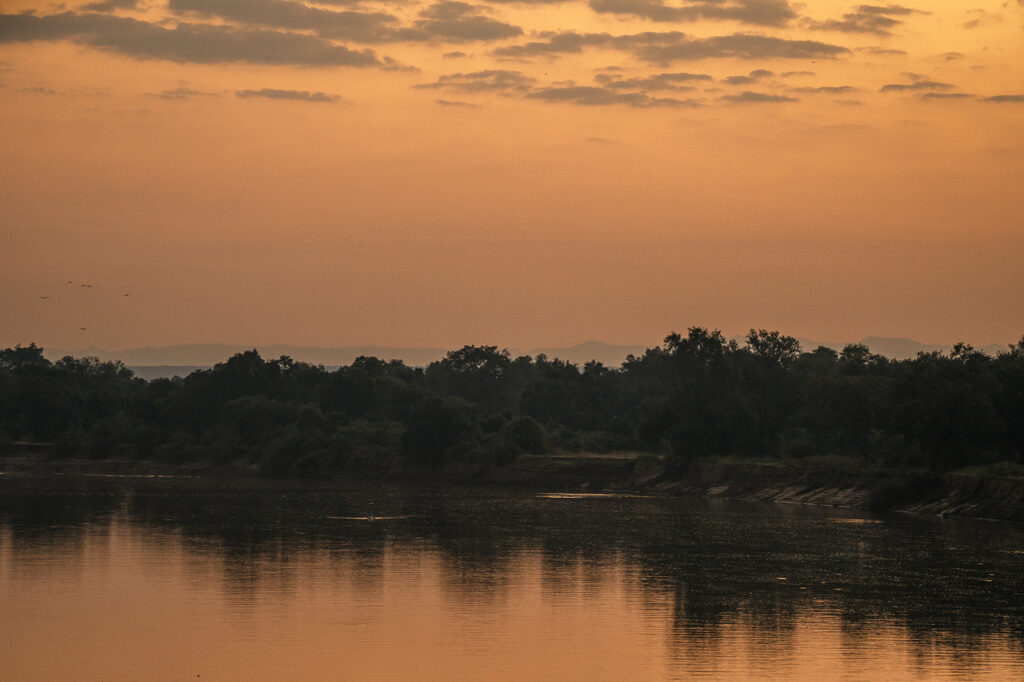
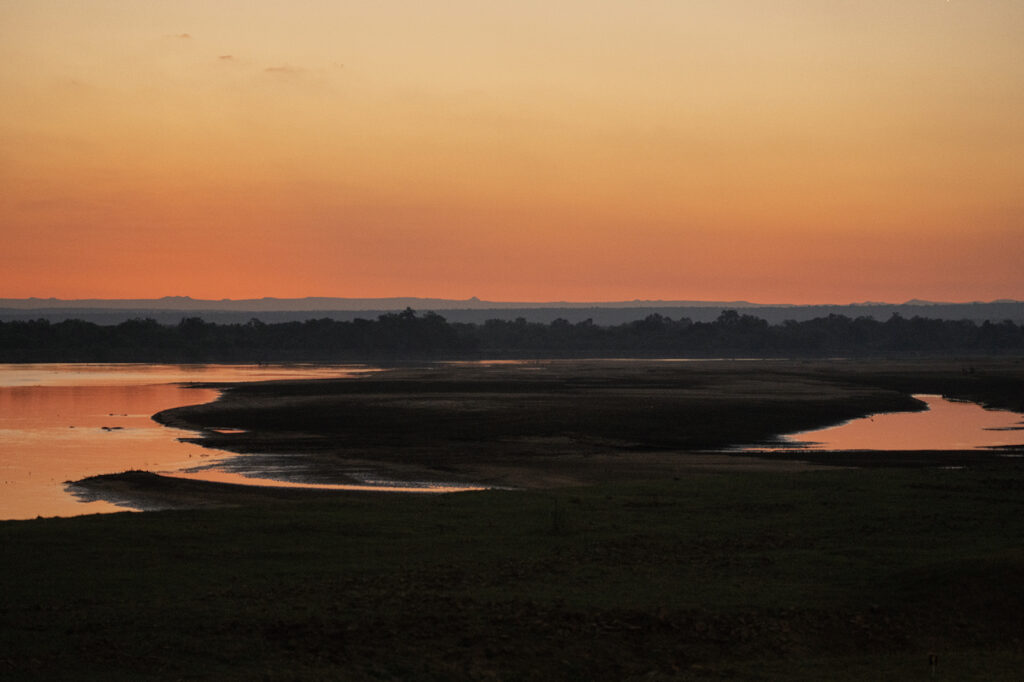
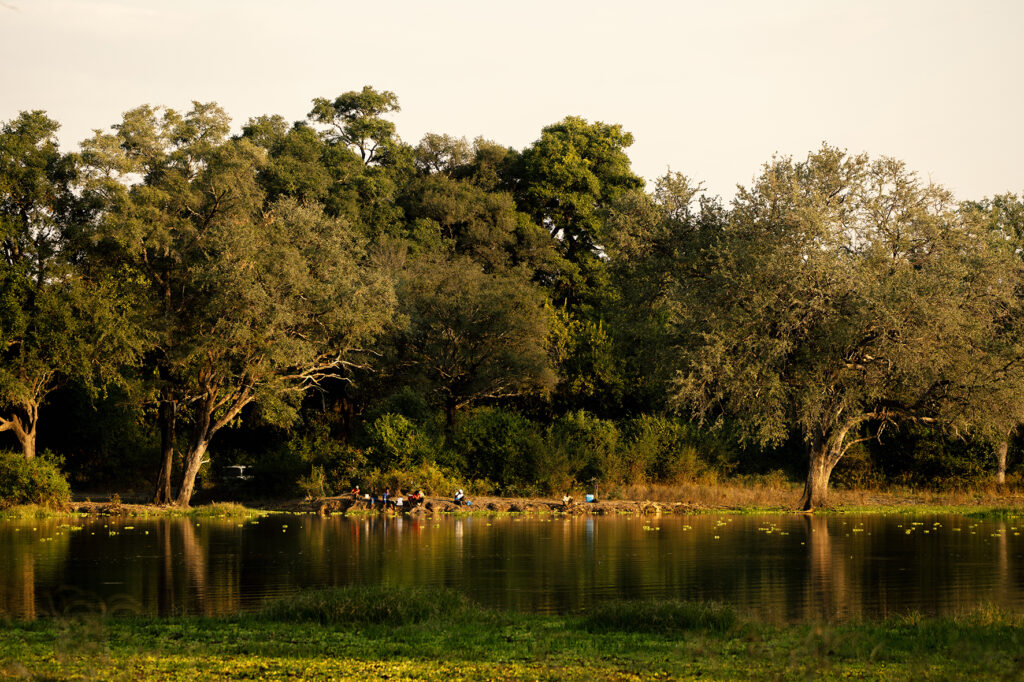
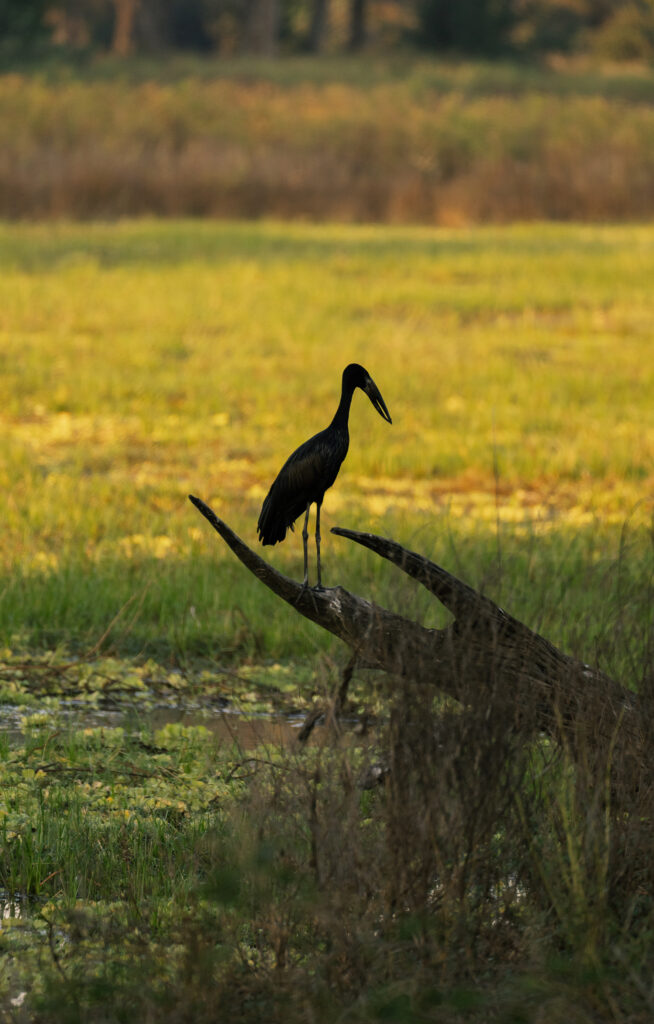
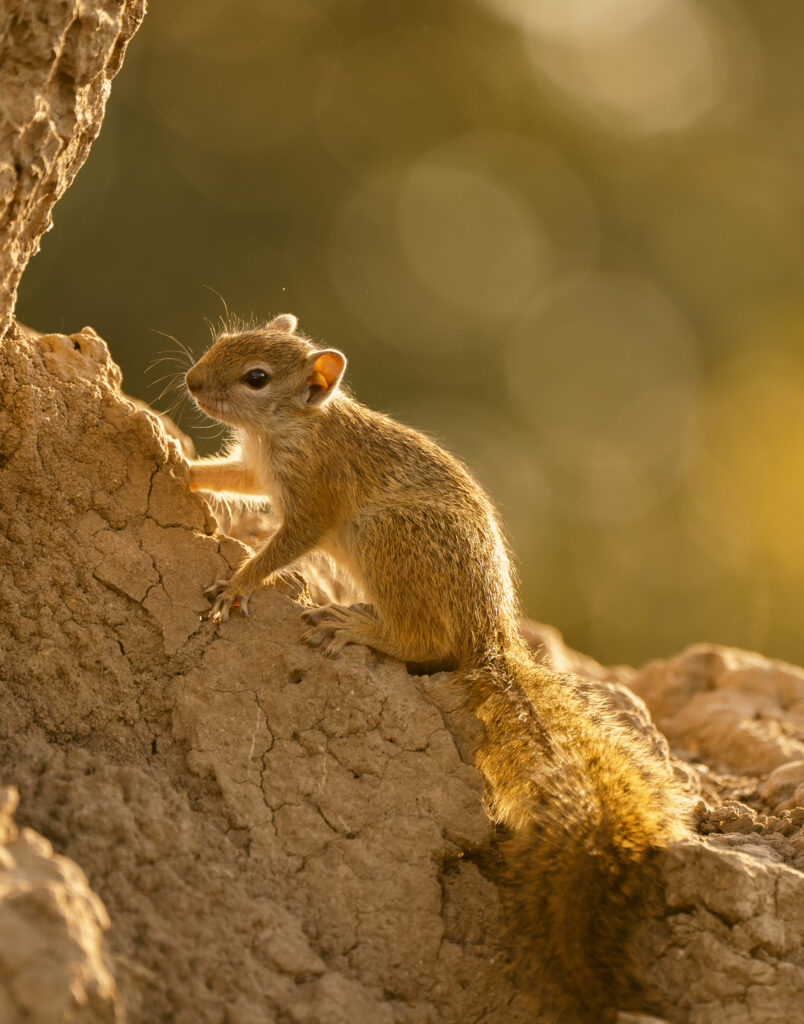
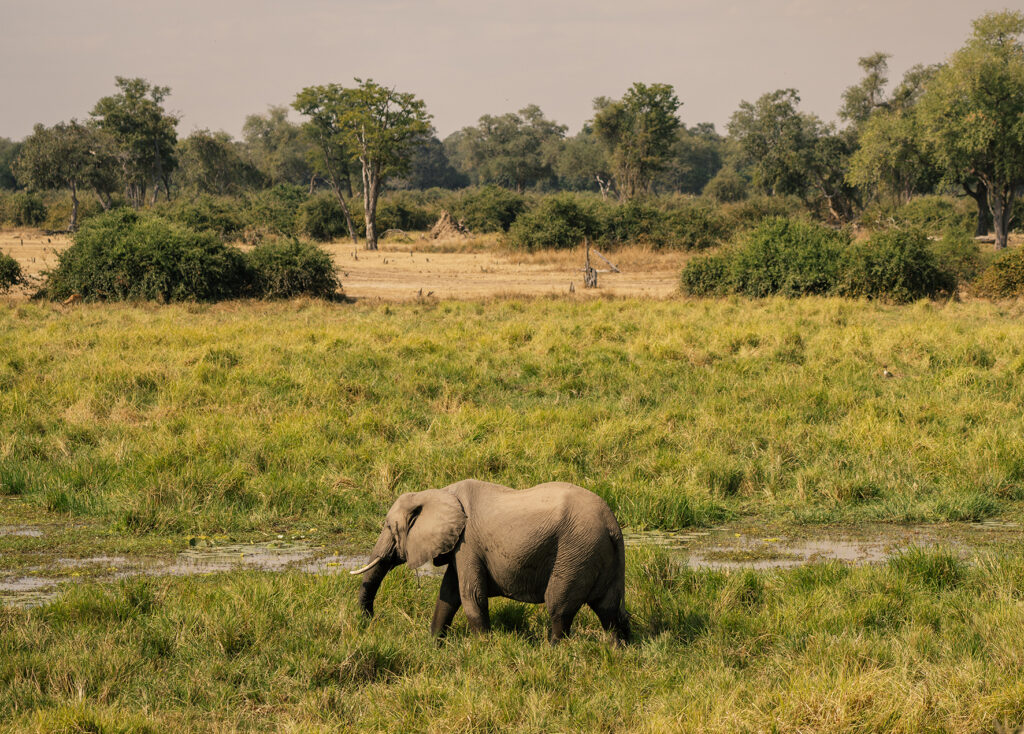
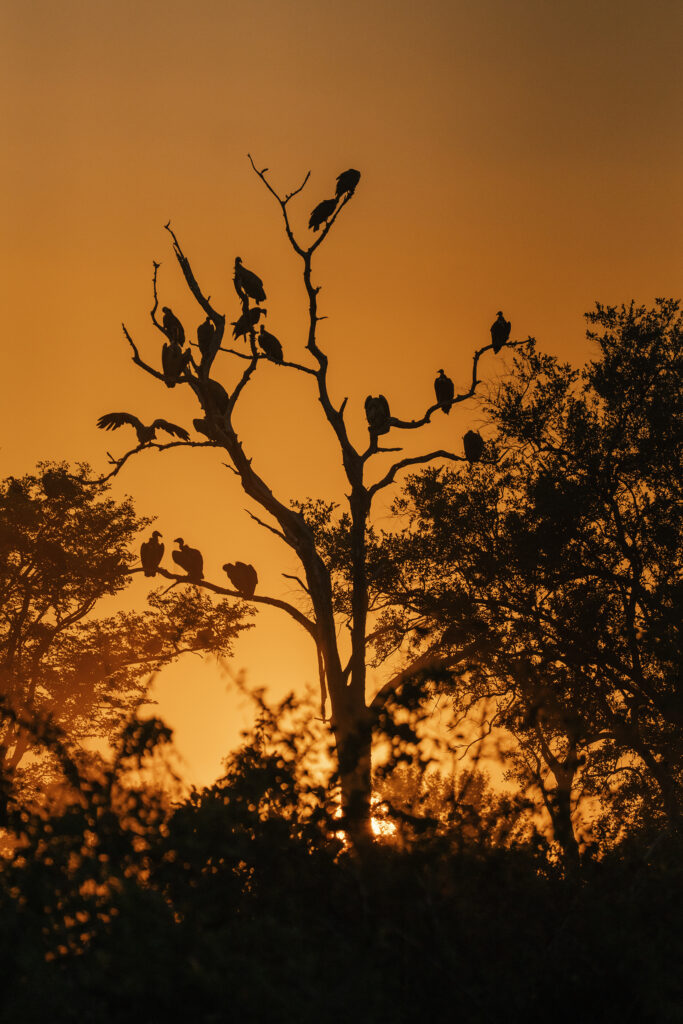
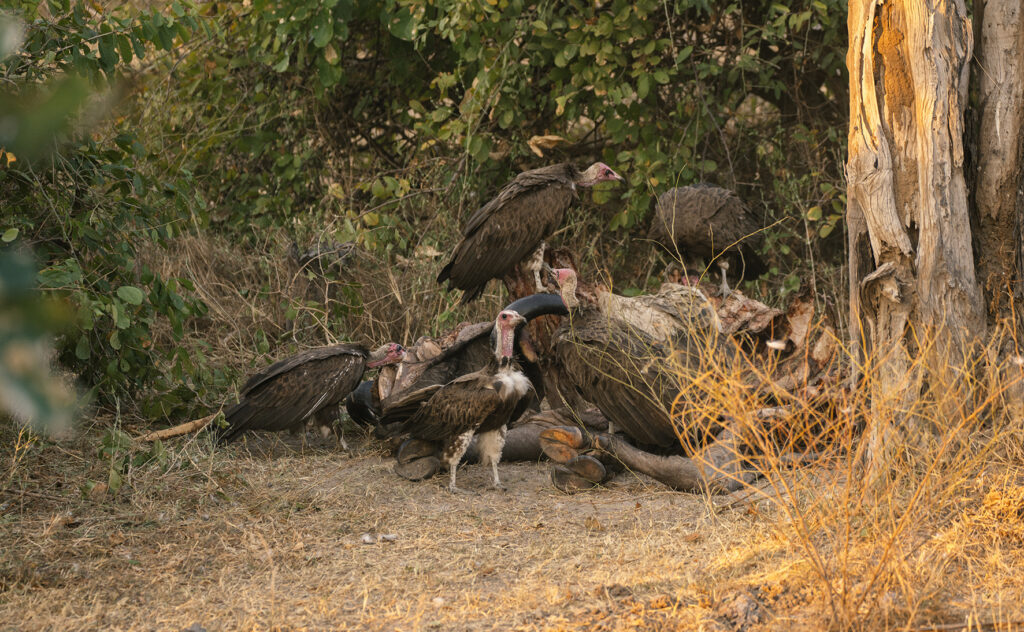
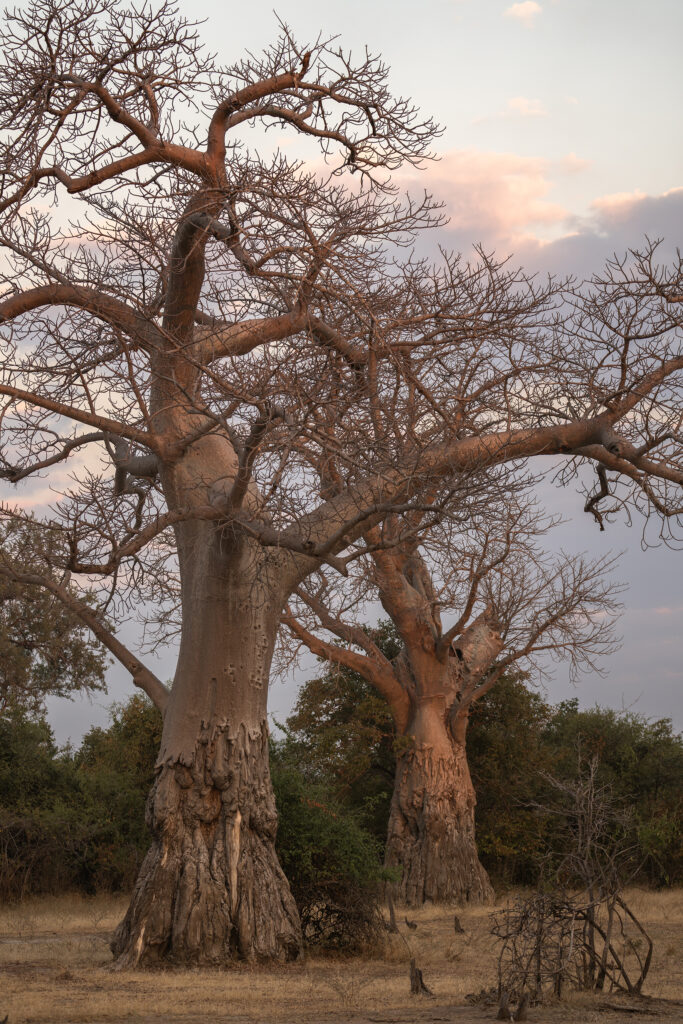
Below, feel free to enjoy our photo gallery, shot on Sony A7V using 100-400mm, 85mm and 135 mm.
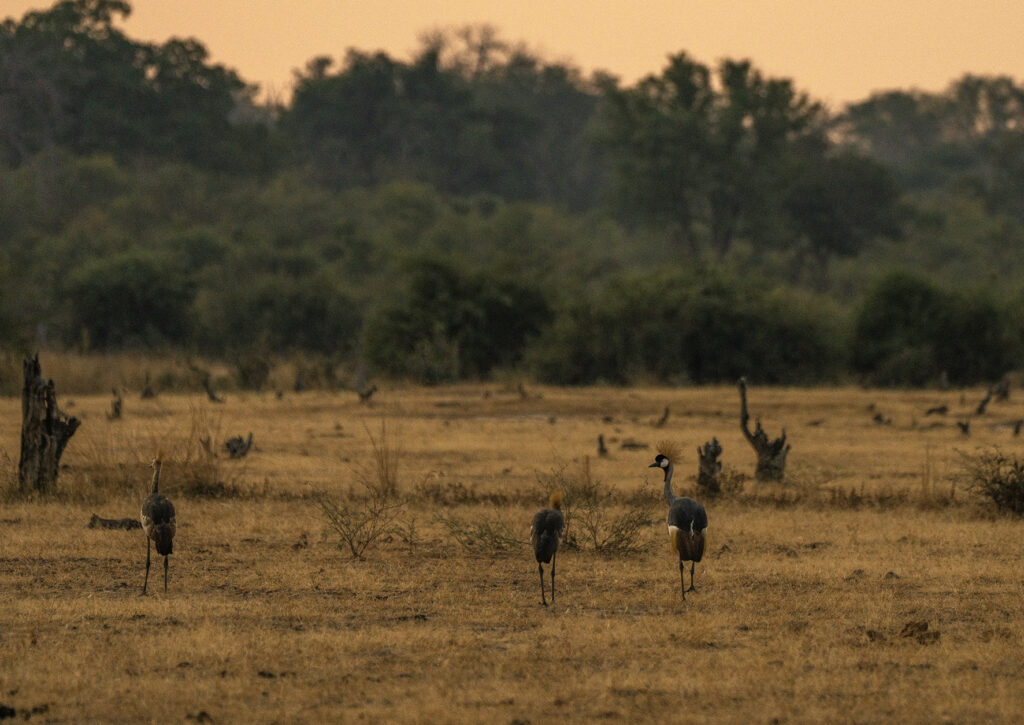
crowned cranes, quite hard to see
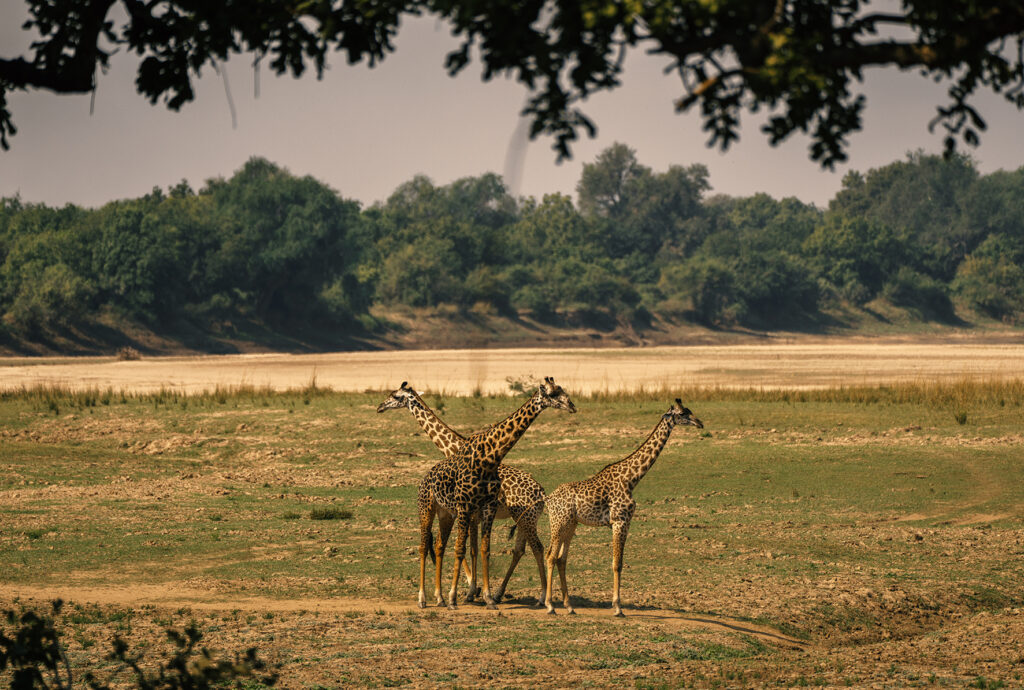
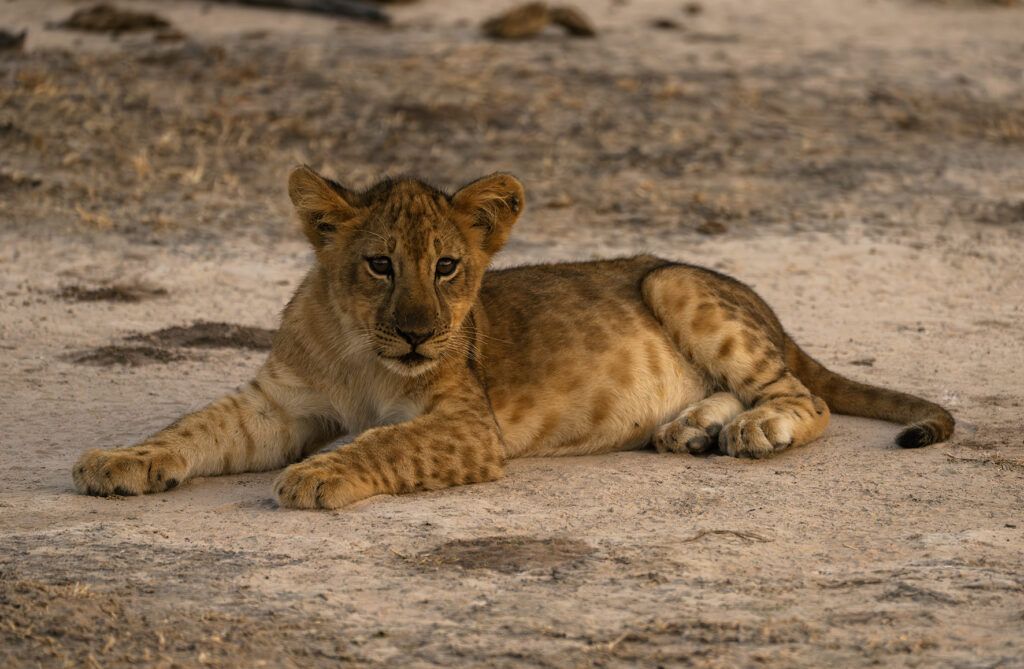
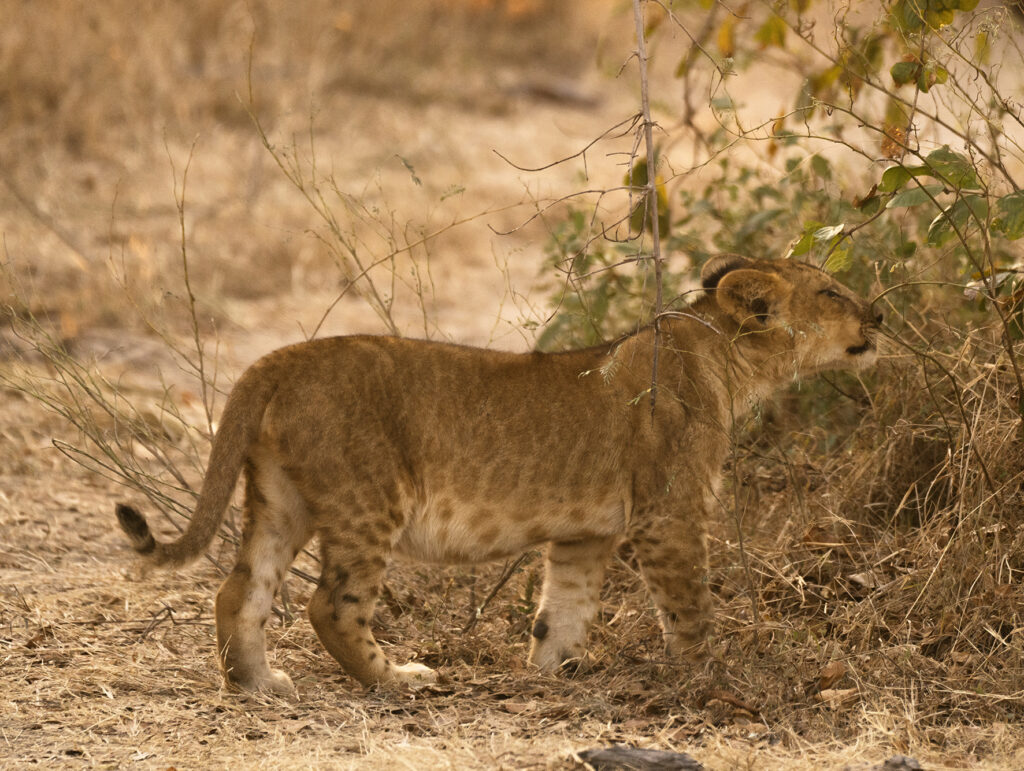
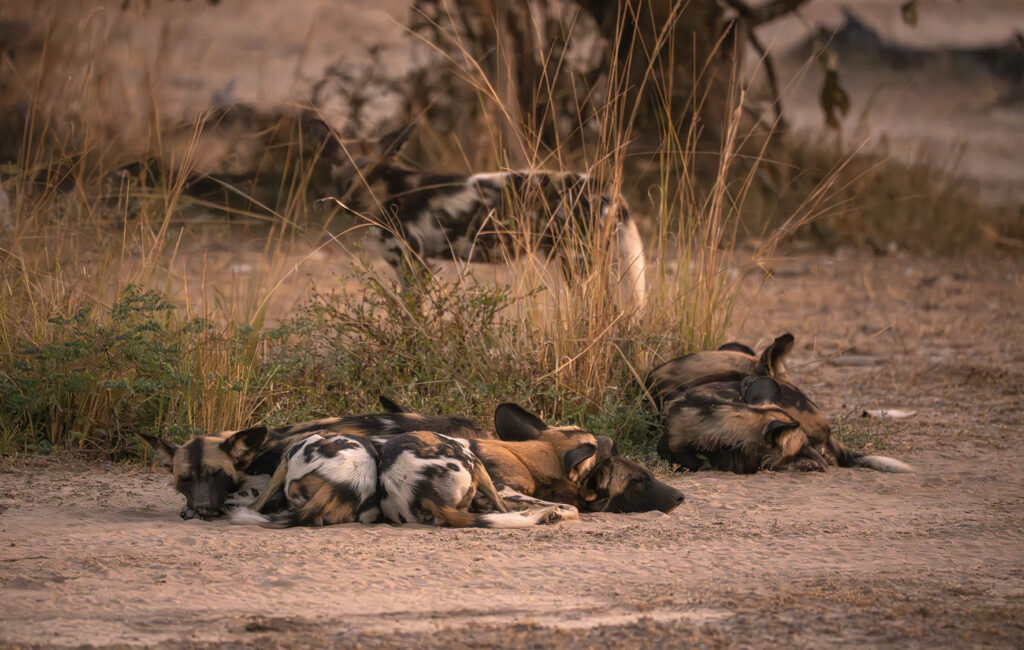
Population: Only about 1,400 mature individuals remain in the wild, fragmented across 39 distinct subpopulations.
Threats: They are threatened by habitat loss, infectious diseases, and conflicts with local livestock farmers. Climate change also poses a severe threat, as rising temperatures impact their ability to hunt and breed successfully