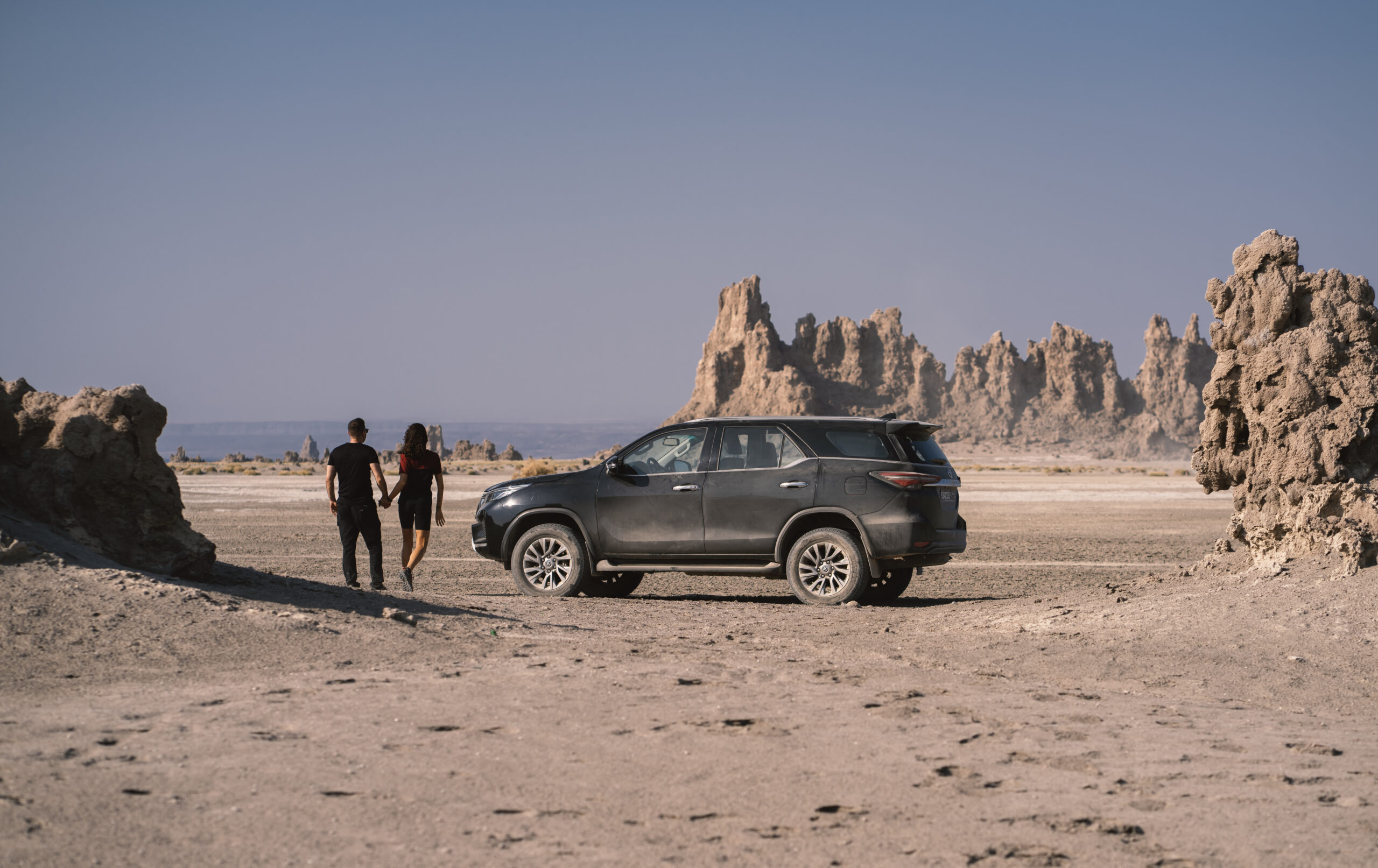
It is possible to self drive to Lake Abbe? A big YES!
About Djibouti
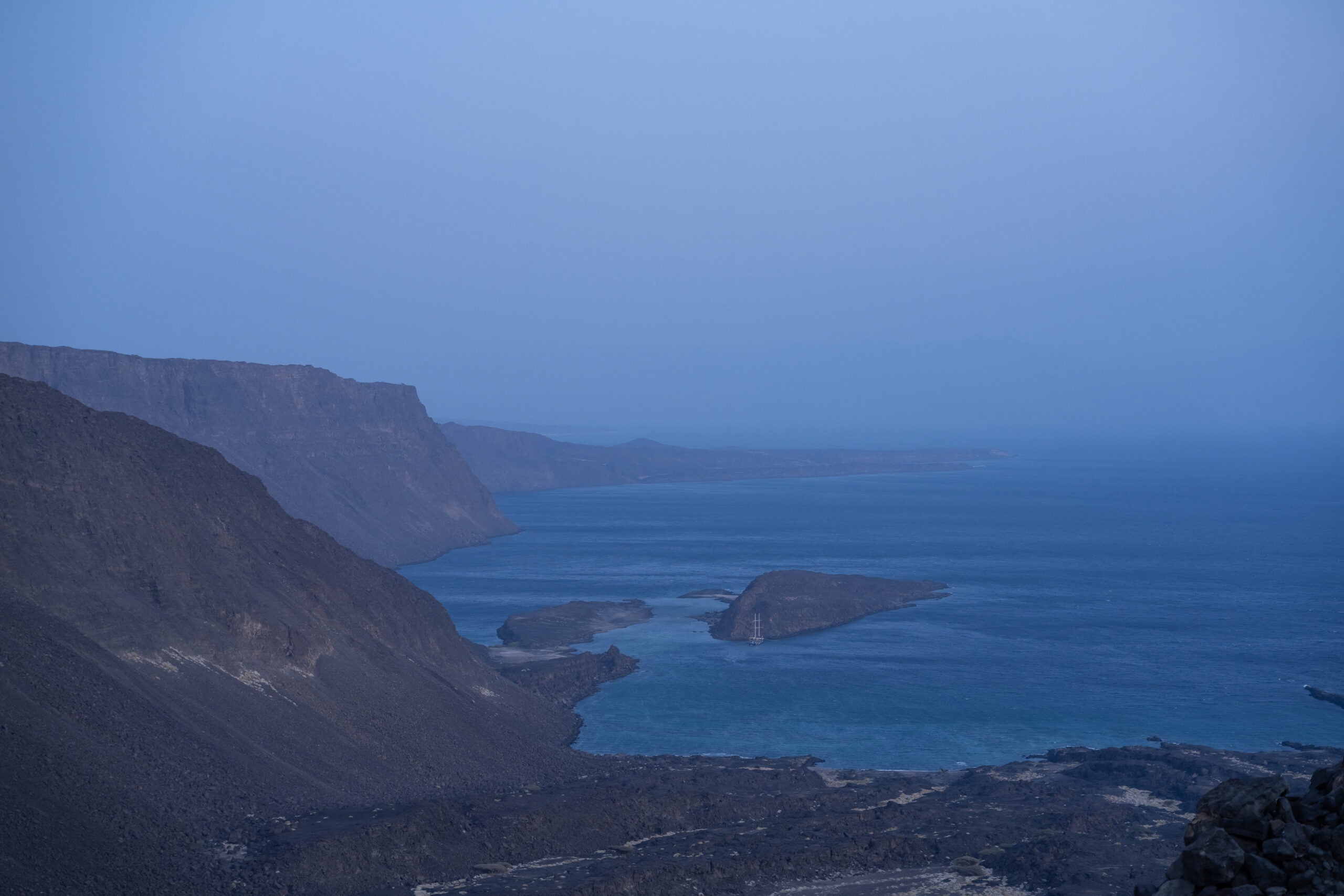
Apart from being one of the least visited countries in the world, Djibouti is not known as being a friendly country. On top of that, because nothing grows there, everything is super expensive: trips, hotels, food, etc. And of course, all the options are limited. But, and here is a big but, the landscapes of the country are otherwordly! Djibouti sits at a unique geological crossroads, a tectonic triple junction where the African (Nubian), Arabian, and Somali plates are pulling apart, creating the Afar Depression and rift valleys like the Asal rift. This ongoing continental splitting, visible through active volcanism, fissures, and geothermal activity (like Lake Assal), is slowly forming a new ocean basin, making Djibouti a prime spot to observe plate tectonics in action. All this is combined with desertic landscapes and the coral reefs and beaches in the Gulf of Aden/ Gulf of Tadjoura.
Before we move on, here are some socio economical facts about Djibouti.
A small but important country, Djibouti benefits from its highly strategic location. With access to the Gulf of Aden and the Indian Ocean beyond, the country is a significant gateway to the Horn of Africa and the wider region of East Africa. That is why there are many military bases, from coutries all across the world. Djibouti is reliant on this competitive advantage. Port, logistics and associated services remain the dominant economic activity.
Occupying an area of around 23,200 sq km, the country ranks 151 st in the world, around the size of the US state of New Jersey.
Djibouti has a sub-tropical desert climate. It is hot and arid. The capital, Djibouti city, is one of the warmest and driest cities in the world. Average temperatures here range from 23°C in winter to 42°C in mid-summer. The country receives very little precipitation, with the wettest month, November, receiving on average five days of rain.
Despite these difficulties, Djibouti also has some natural advantages. In terms of metals and minerals, it contains deposits of gold, granite, limestone and marble. In terms of energy, moves have been towards petroleum exploration, while there is also potential for geothermal generation.
There are less than 1 million Djiboutians. The majority, more than 500,000 people, live in the capital, Djibouti city. The two official languages are French and Arabic. However, with the ethnic composition of the country consisting mostly of Somalis (60%) and Afars (35%), these groups’ languages are also widely spoken.
France established a presence in the 19th century, when it used to be called the French Somaliland. Declaring independence in 1977, the country officially took the name the Republic of Djibouti.
Is it safe?
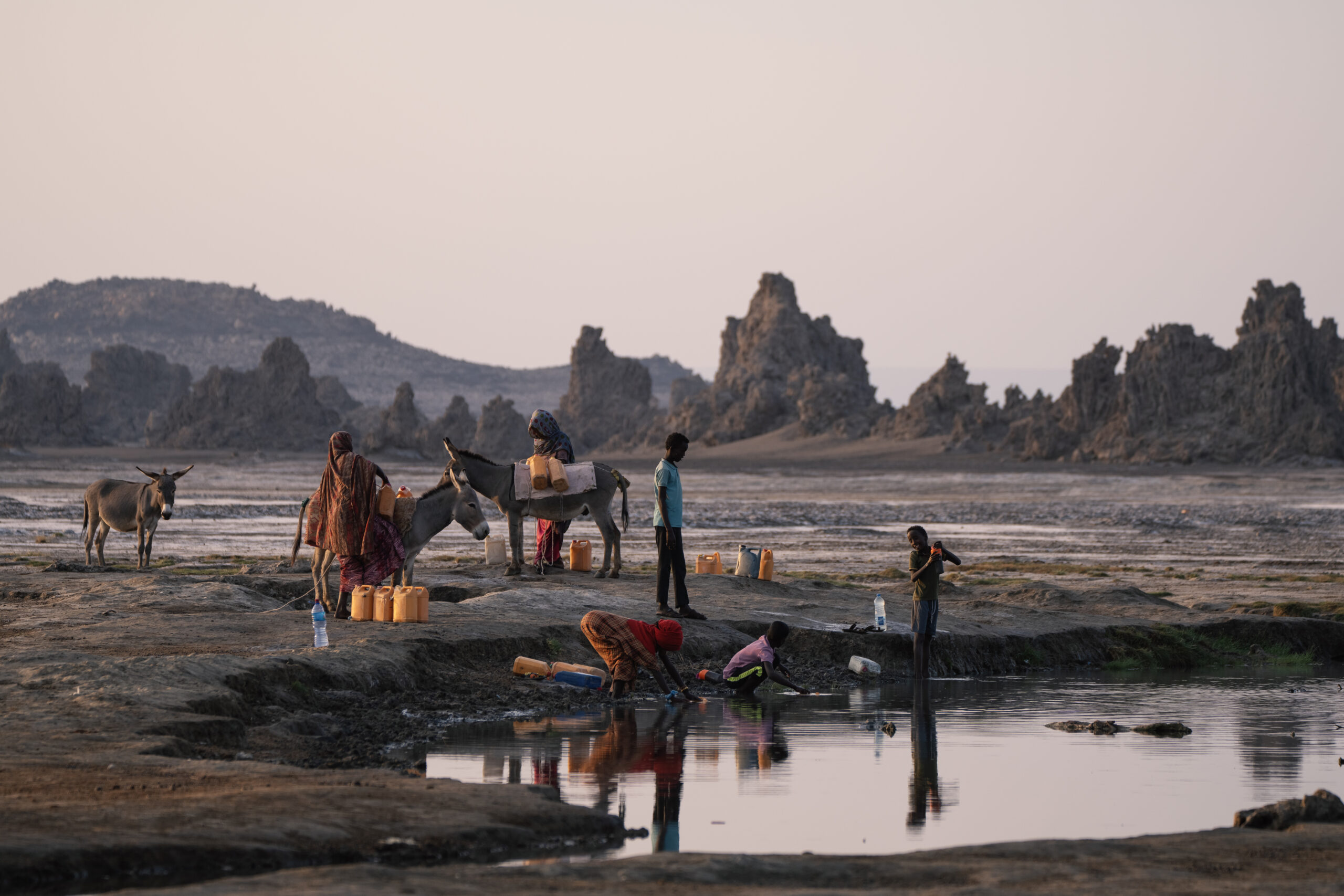
Probably the most asked question. Yes, it is safe! Despite the degree of poverty of the population, it is one of the safest countries in the region, probably due to the high military presence. We were being told by a South African living there that aparently you can live your car open and nothing would happen. Not sure if we would try that, but I guess you got the point.
What to expect
Before going, I think it is sensible to set up some expectations so that you go there with the right mindset:
- Djibouti is an experience in itself. It is not a touristic country and the majority of the population is very poor. Expect people begging money from you on the street and whenever you stop somewhere or take a picture etc.
- Roads are pretty decent for Africa but expect a lot of trucks on the way; drive carefully and at night there can be people or animals on the roads
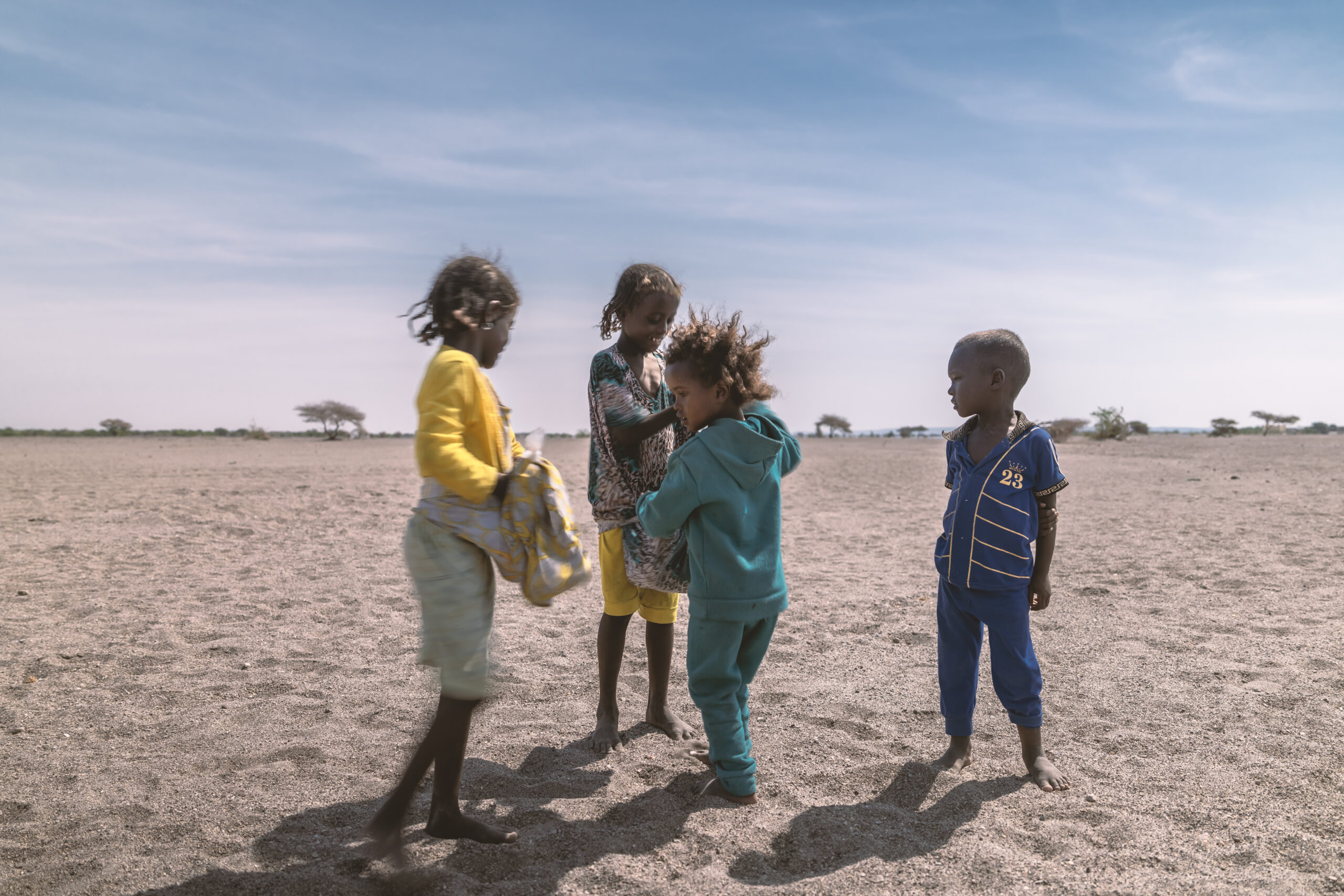
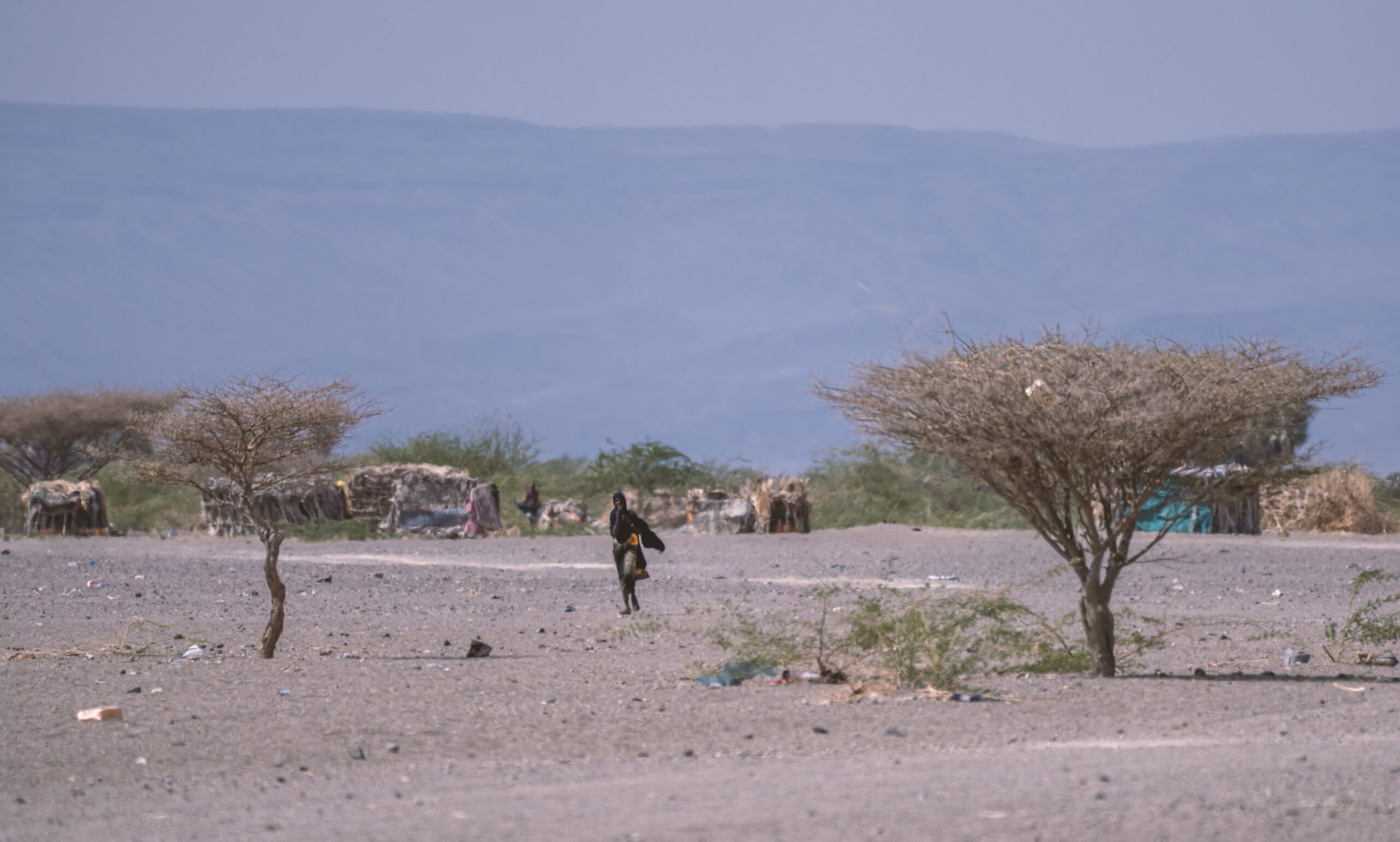
- Some people are not very friendly and it is the least photo friendly countries from what we`ve experienced so far. Most of the people do not want to be taken pictures of them. Still trying to figure out why is this general attitude.
- At times, expect people to try to take advantage of you in terms of prices/ services
- Quality of the services is very basic
- Everything is very expensive: accommodation, trips, food
- Food is pretty basic: expect rice and pasta with spicy sauce, potatoes, some vegetables, omelette, meat
- Google Maps works pretty well, except for off-road parts
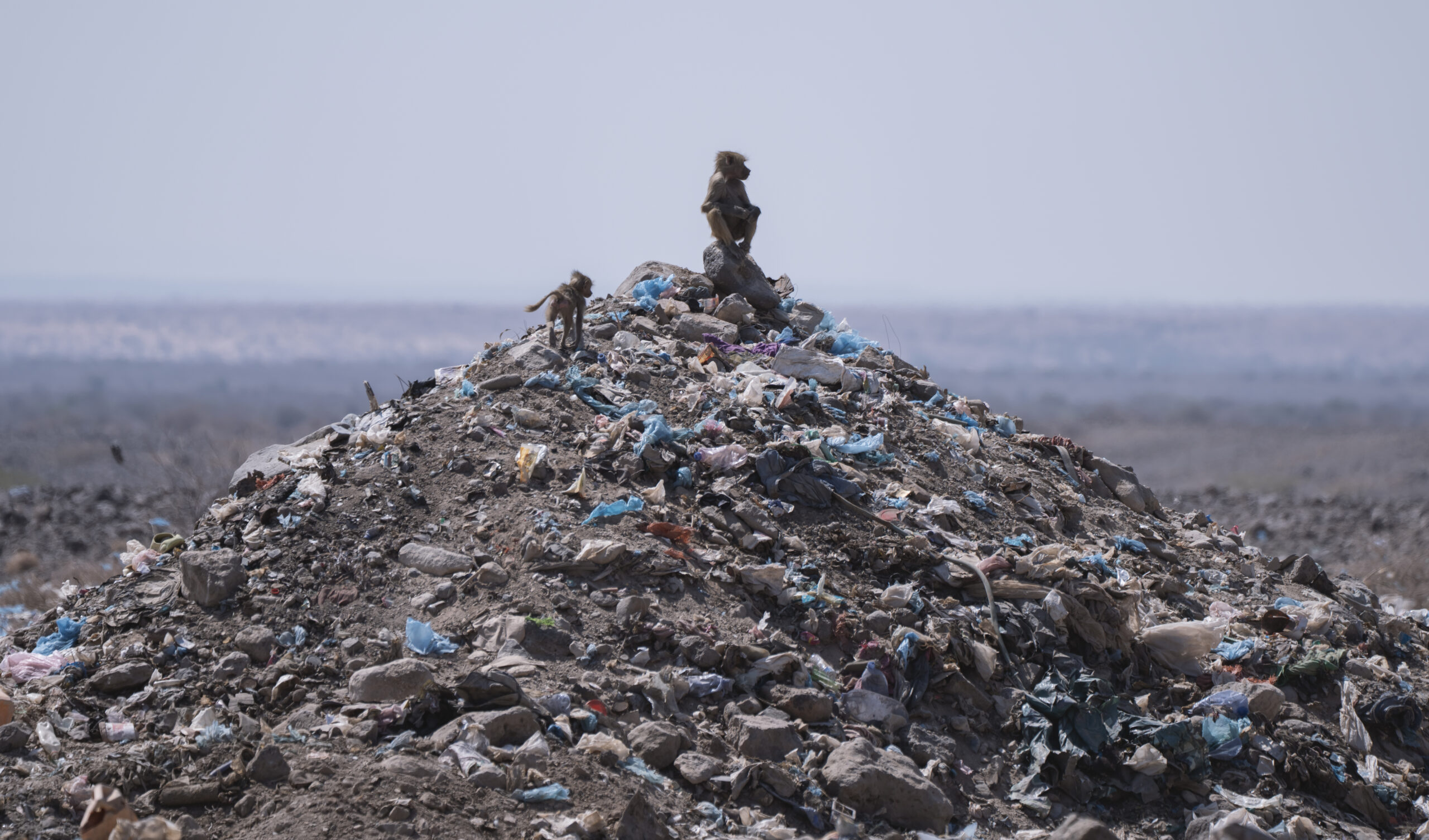
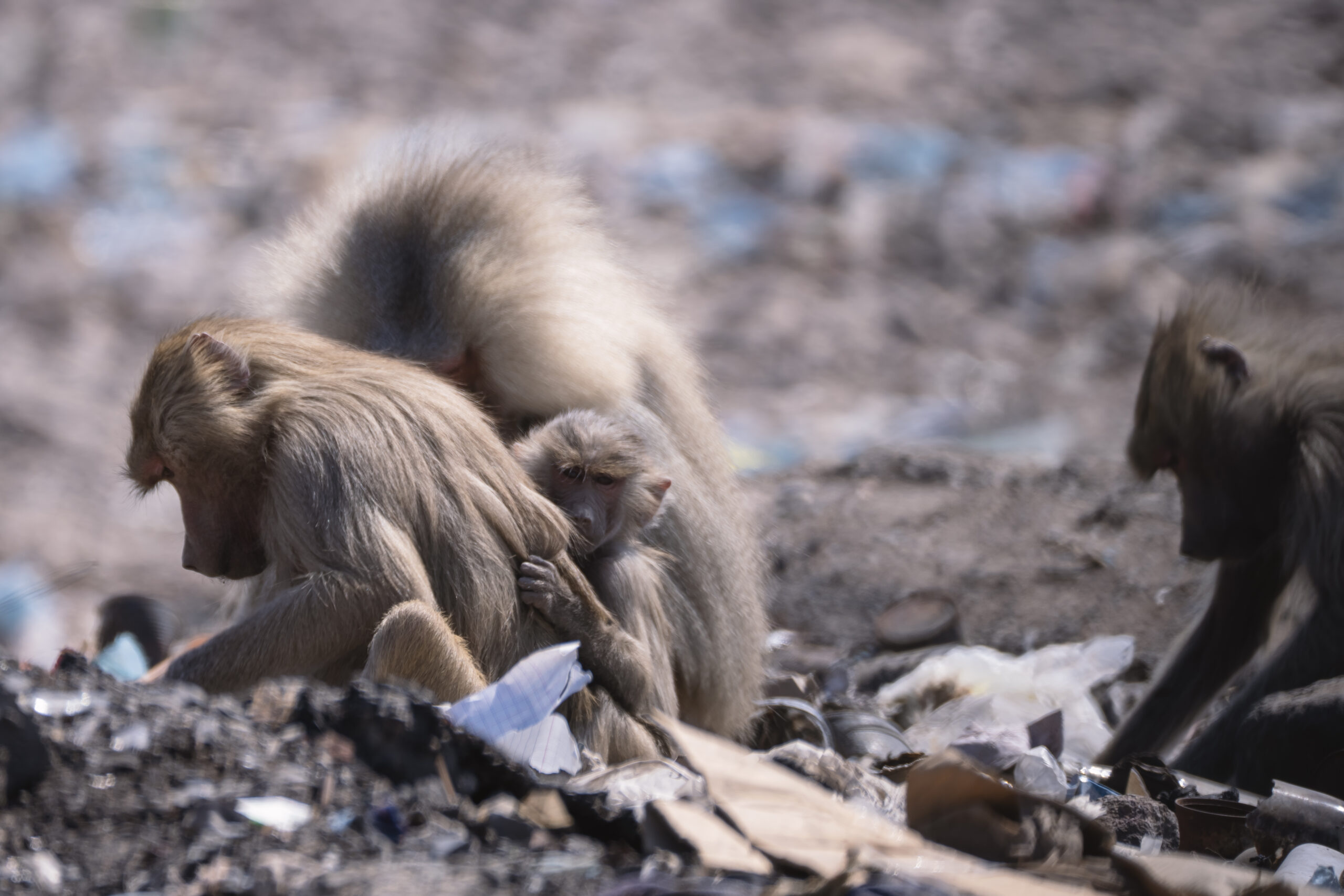
- Expect a lot of trash everywhere, like pretty much in all third world countries
How to get there?
As you might have expected, JIB airport is not the busiest in the world. The main airlines that fly there are Qatar Airways, Fly Dubai, Air France, Turkish Airlines or Ethiopian. There are also direct flights from Egypt.
Alternatively, there is a high speed train connecting Djibouti to Ethiopia ( Addis Ababa vis Dire Dawa). More about it on this blog or Tripadvisor forum. The tickets can be bought online or directly from the station ( with the passport ) but it is advisable to be booked a day in advance. Official website is https://bookingedr.et/en but it is not always working.
Visa
Most of the countries require a visa and are eligible for E-Visa. You can check the list here but please also consult your Ministry of Foreign Affairs latest info. You can apply for E-Visa on the official website, the processing time takes 1-3 days and it costs about 23$.
When to go
The best time to visit Djibouti is during the cooler, drier season from November to April, with December to February being ideal for comfortable exploration and optimal whale shark sightings.
How much time do you need?
Considering the high prices and the size of the country, few days is more than enough. 4-5 days is a minimum to see the basic stuff but it is always good to take some buffer. We had one week.
What to visit
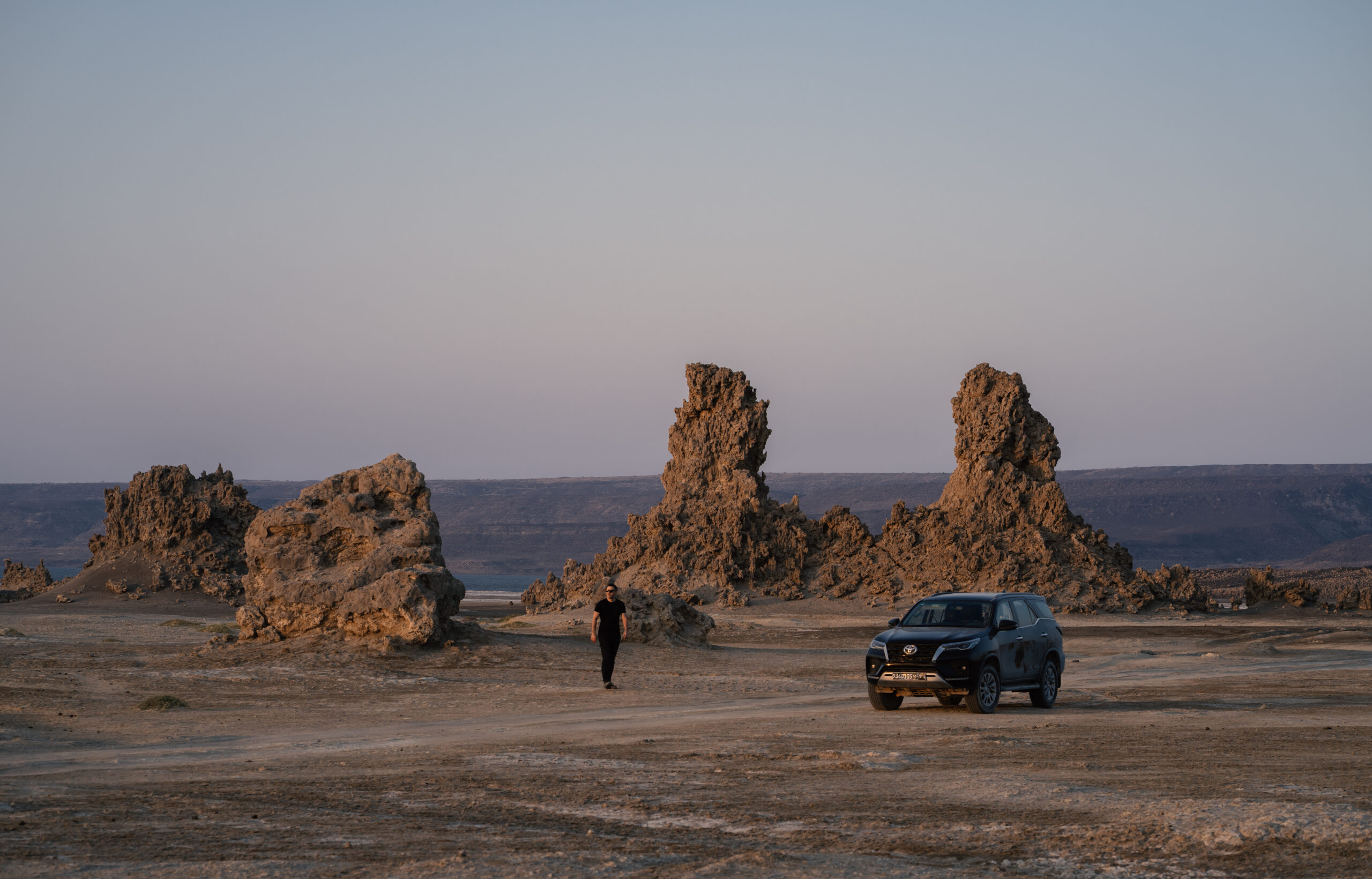
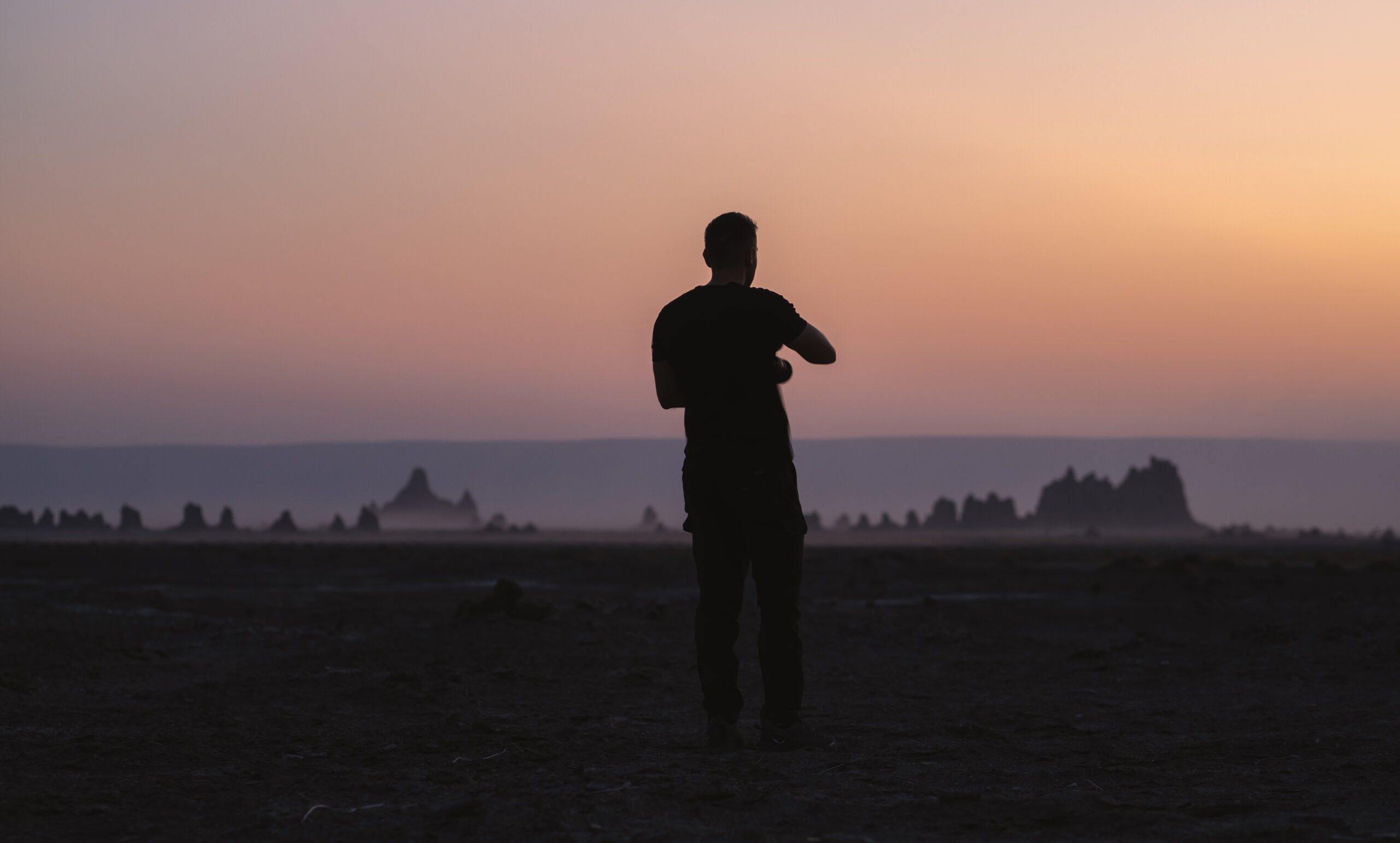
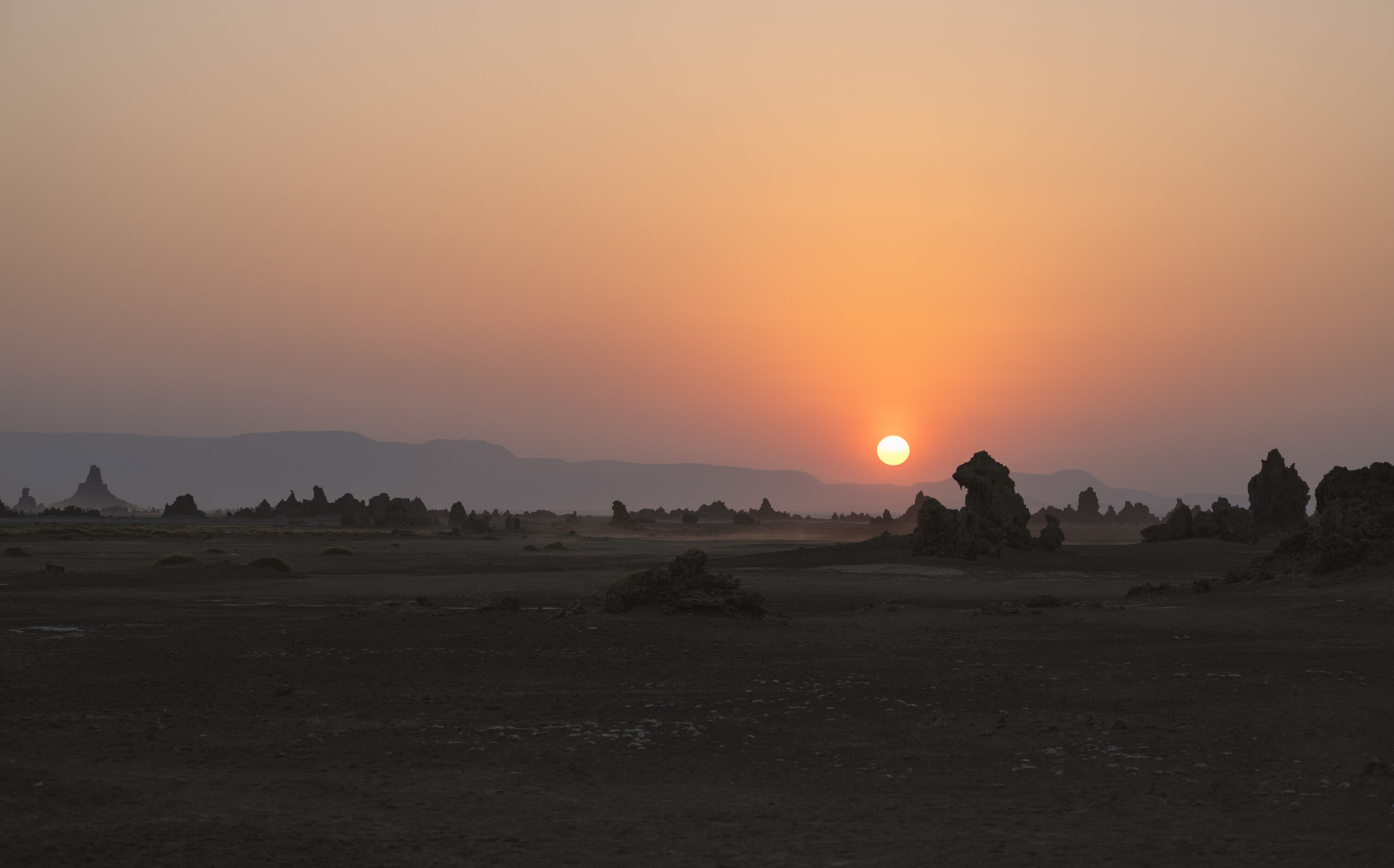
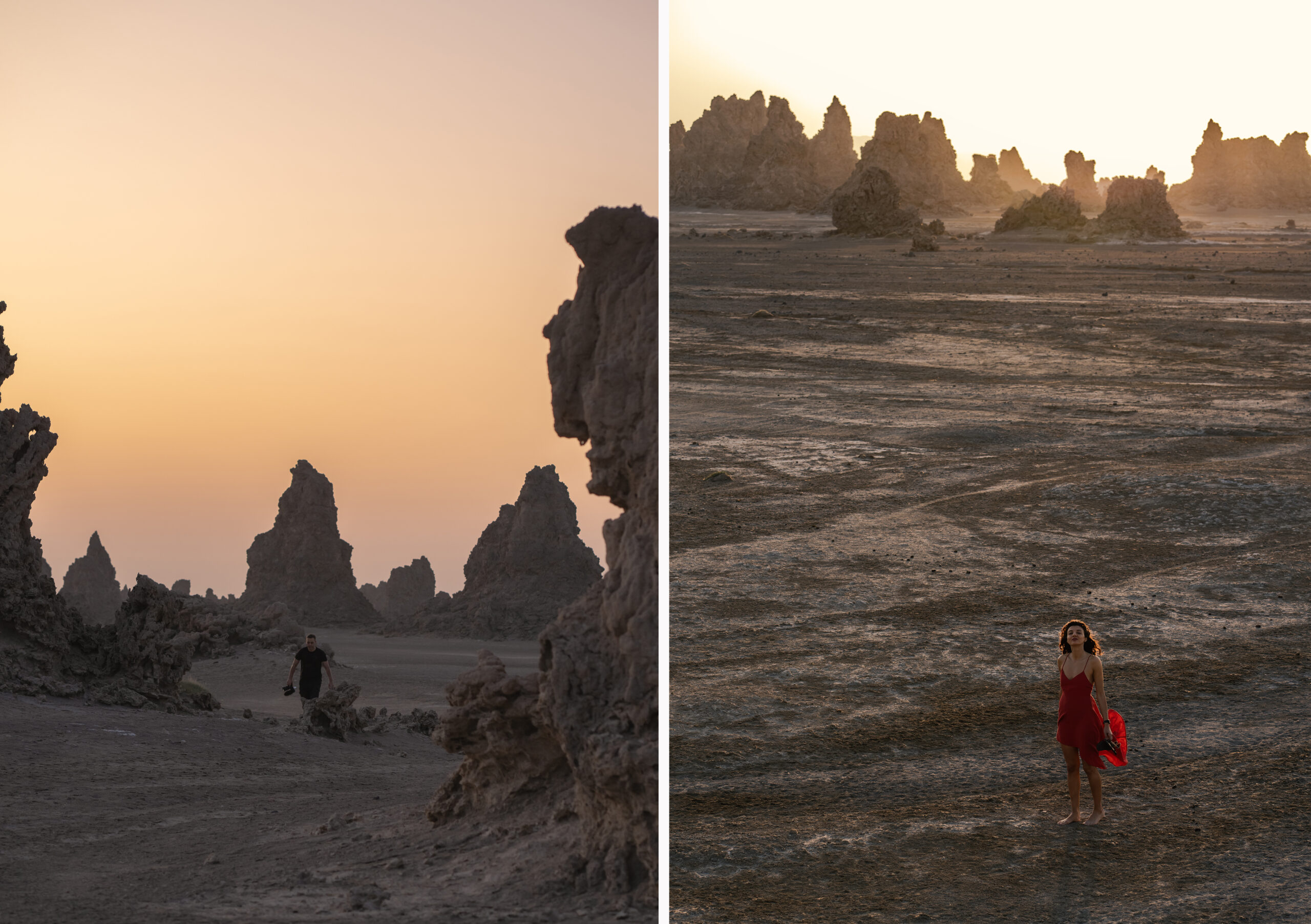
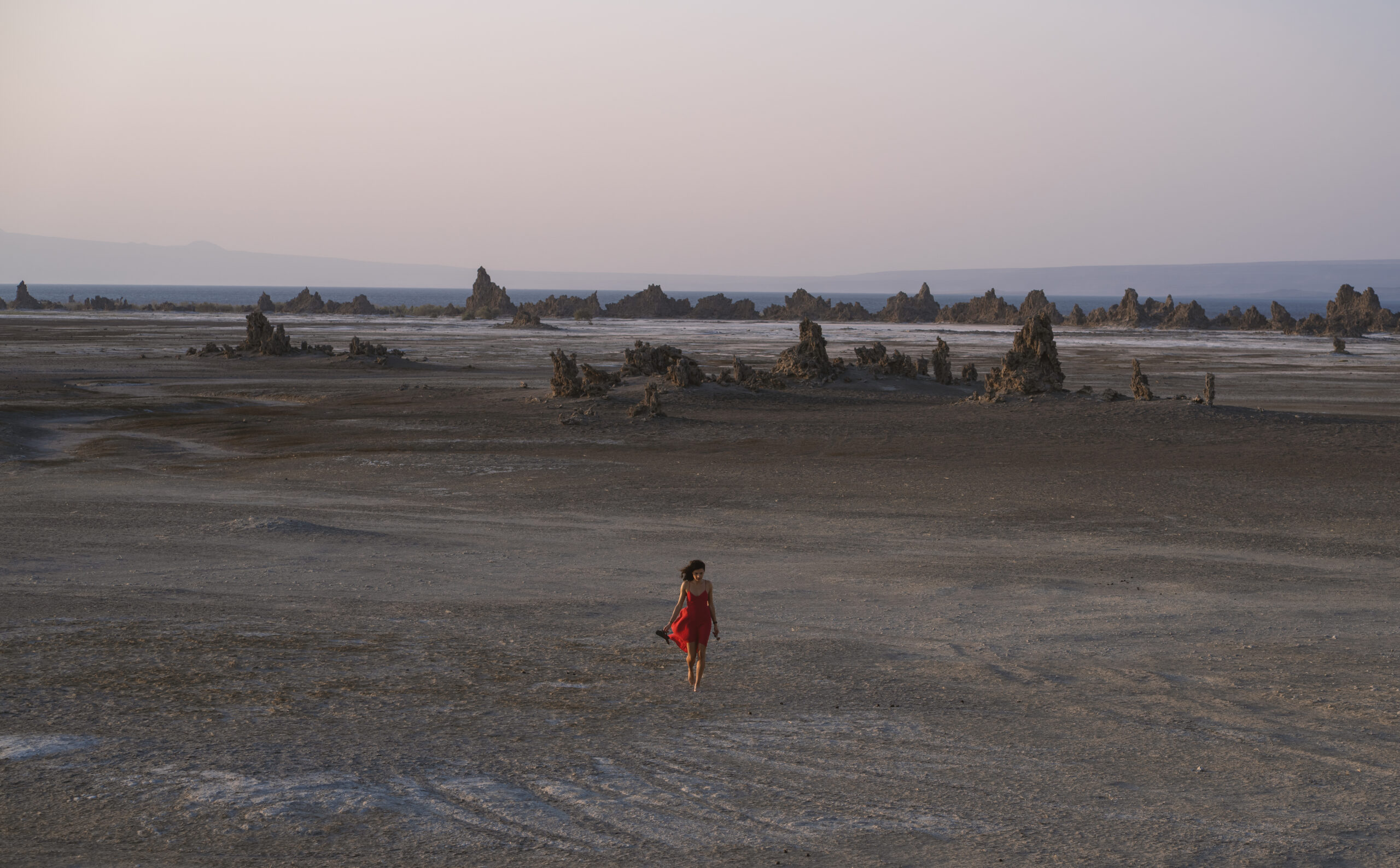
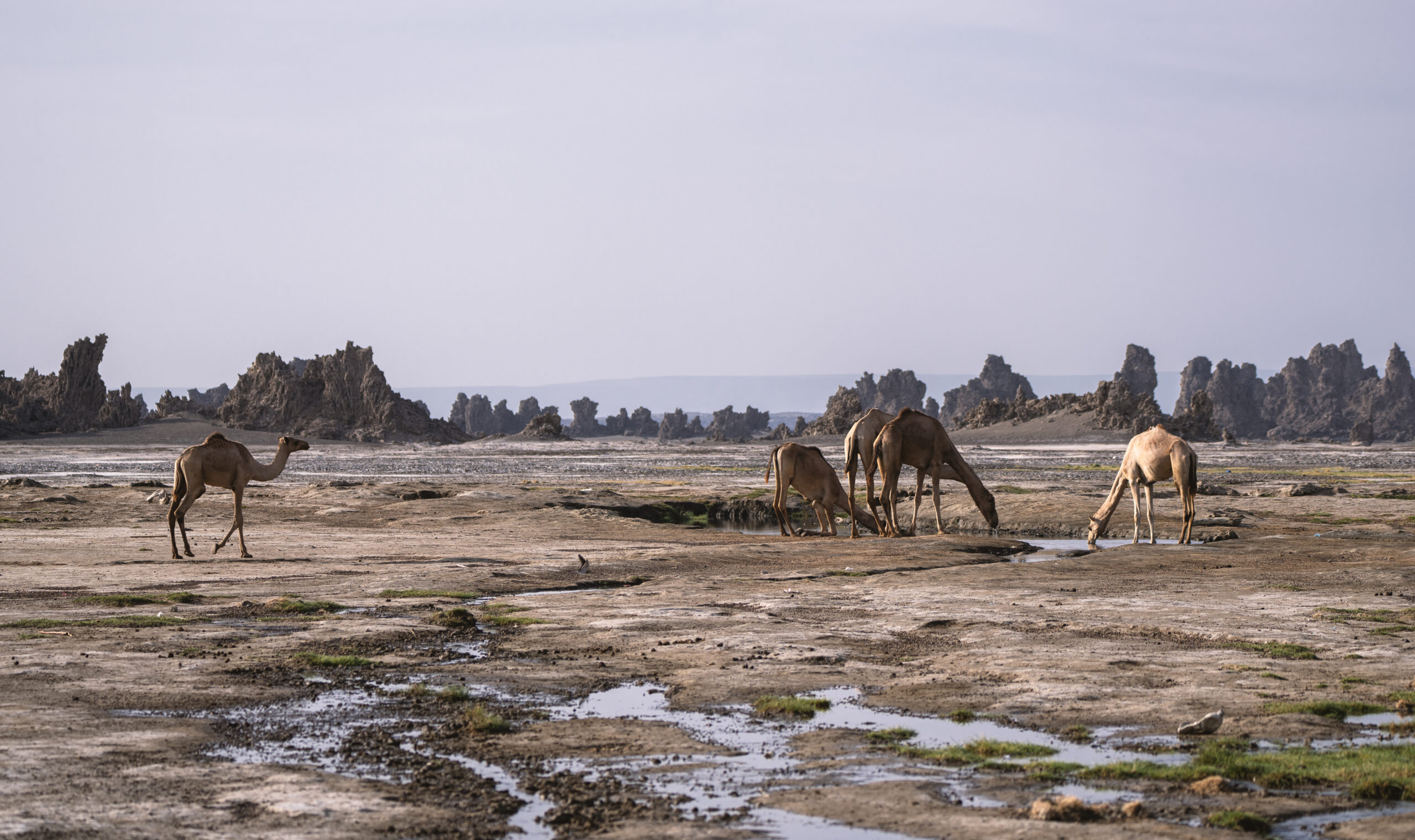
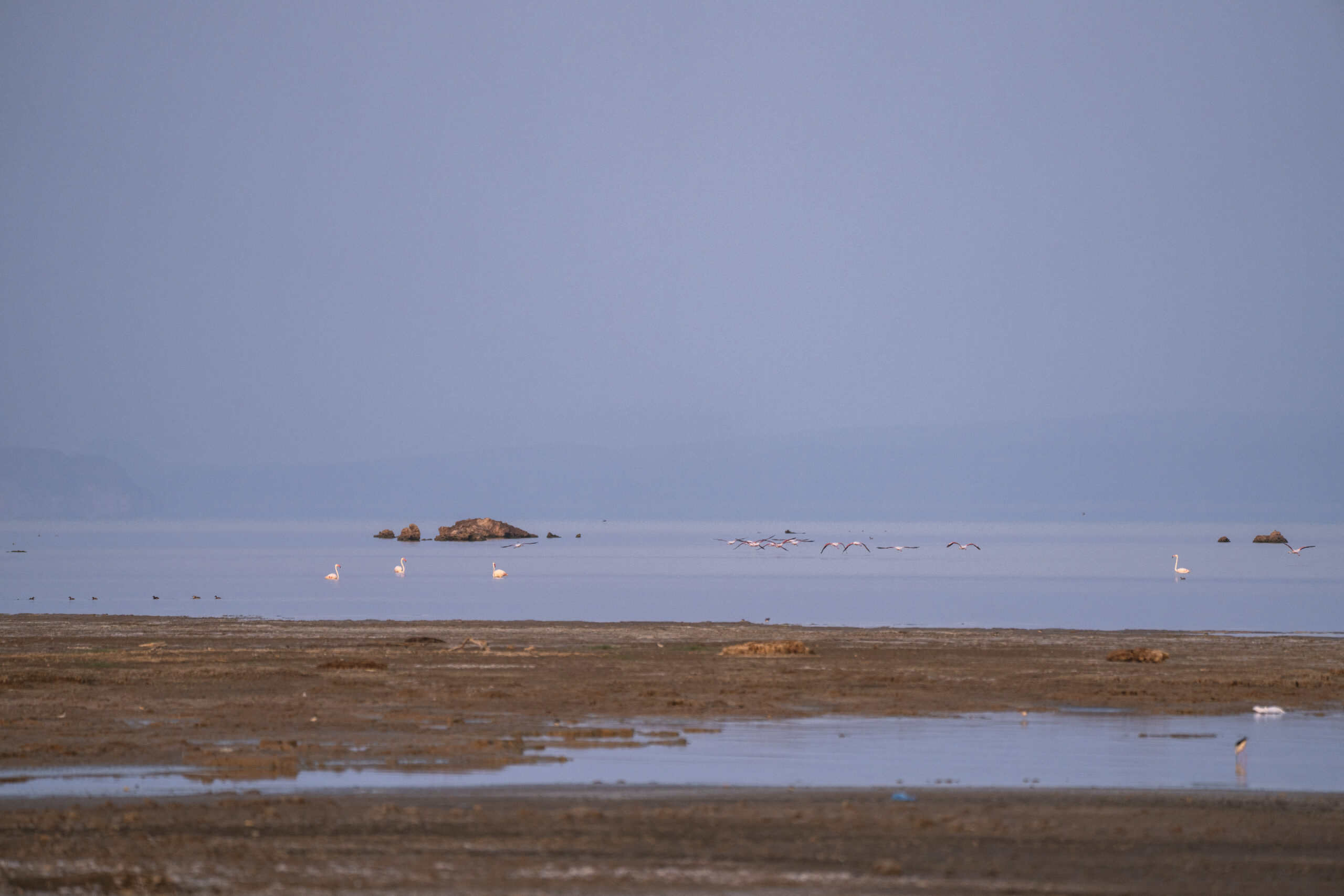
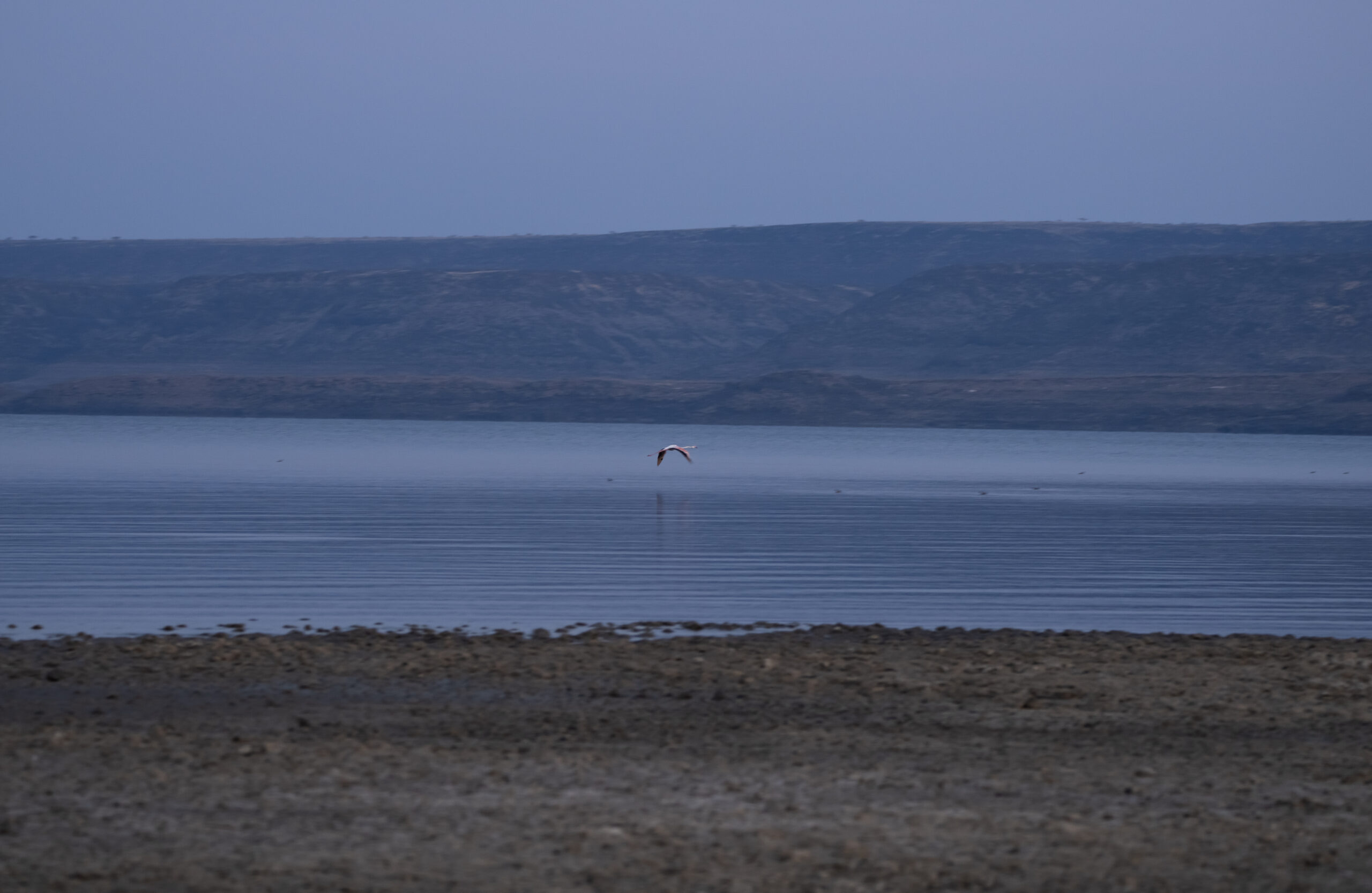
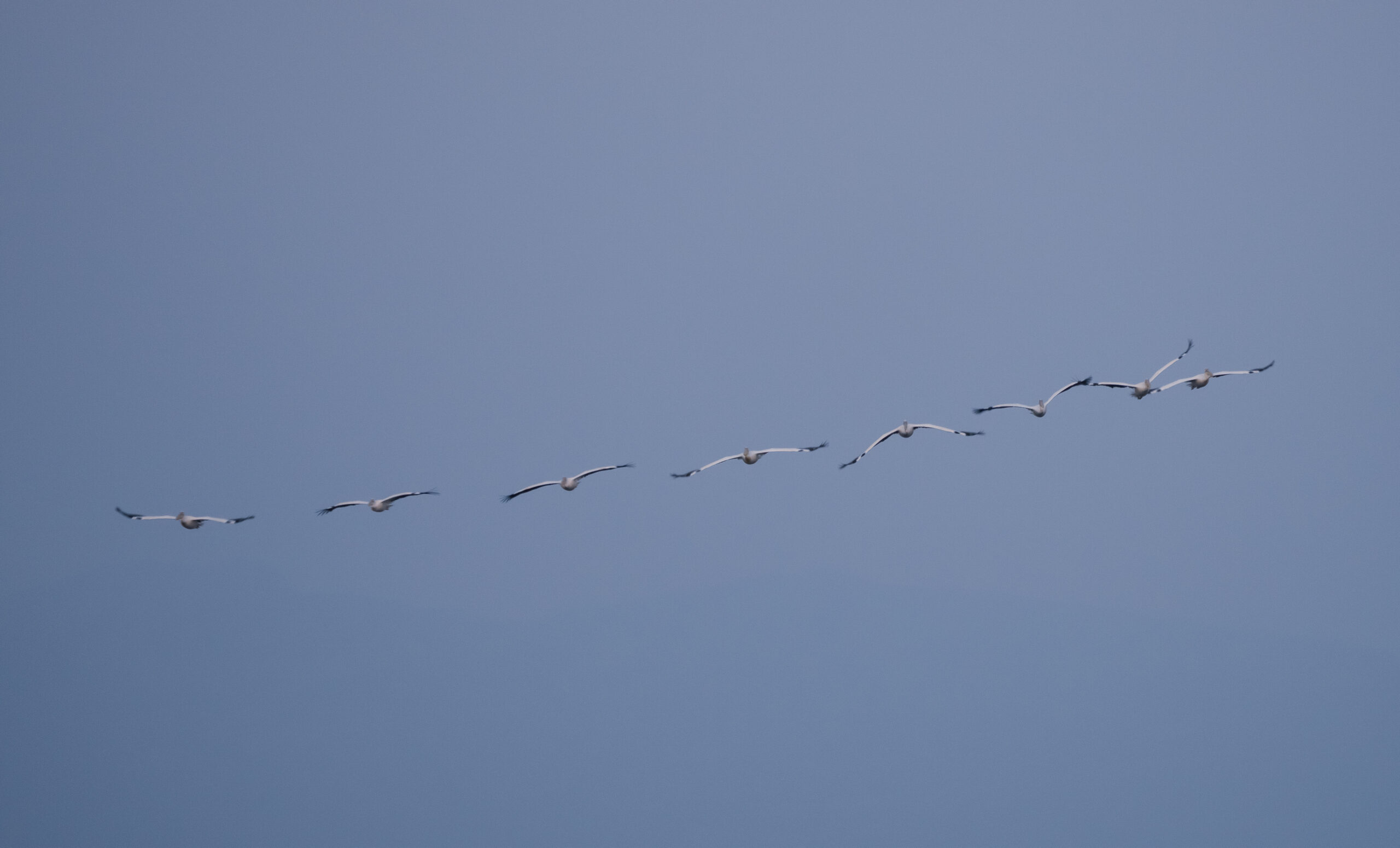
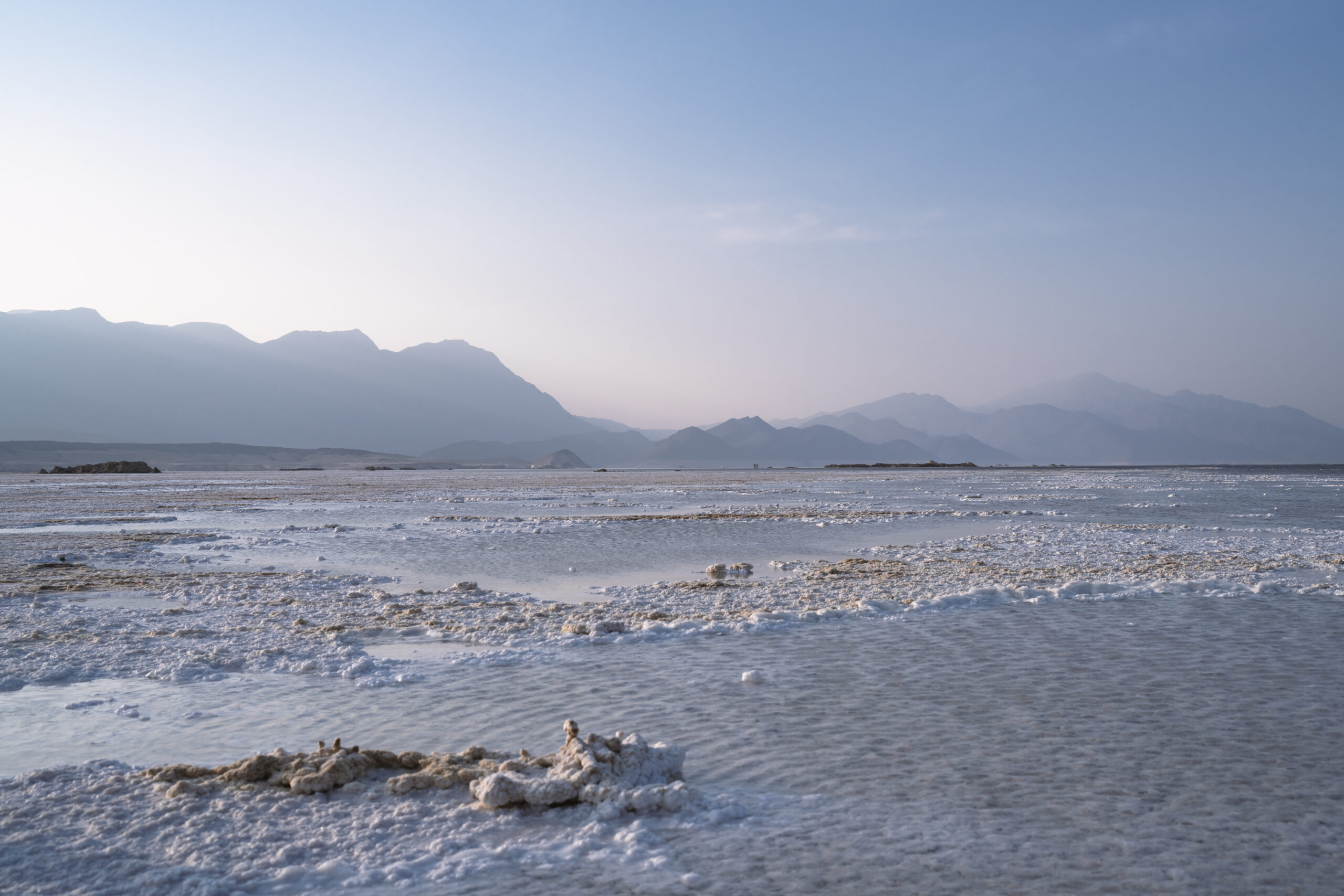
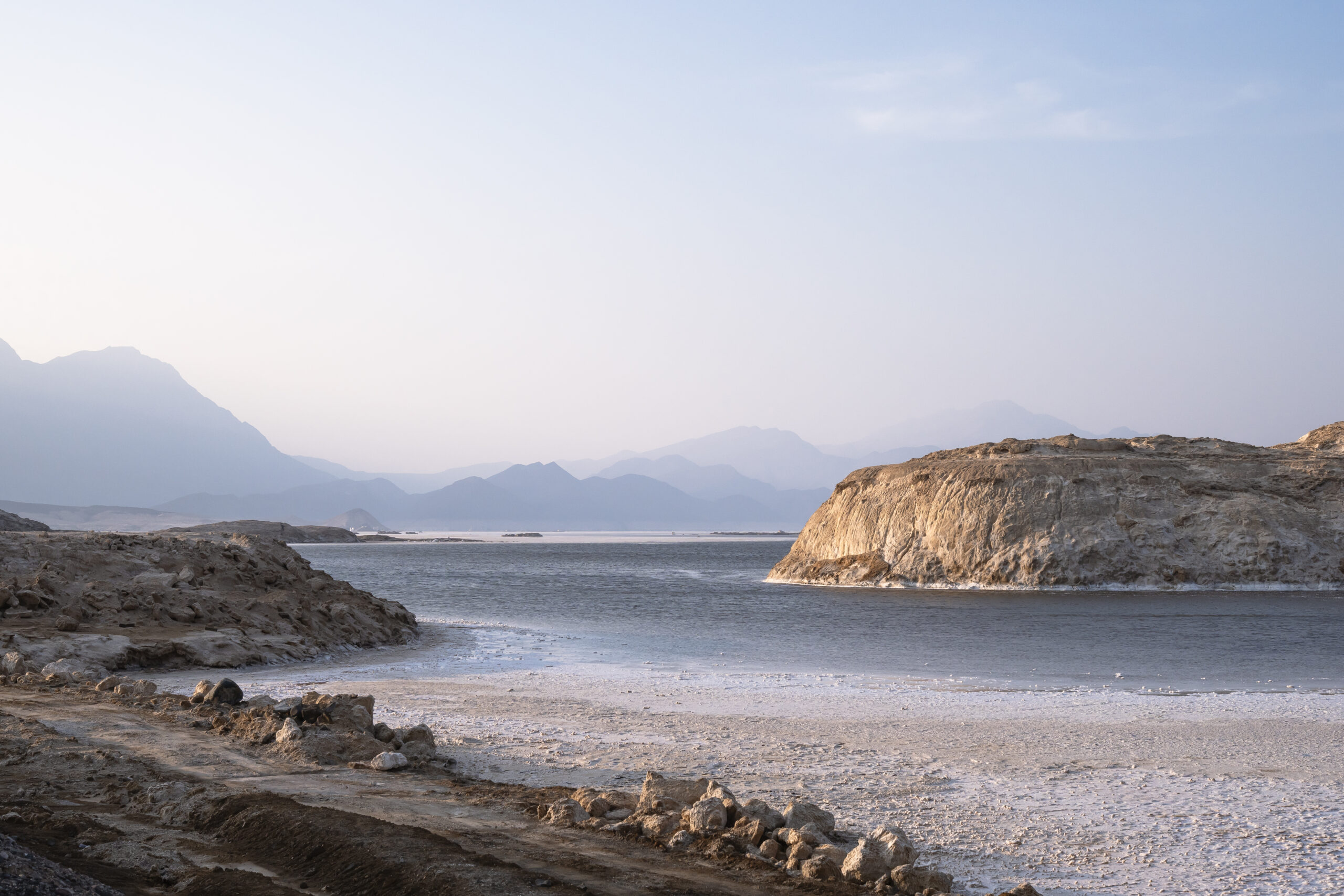
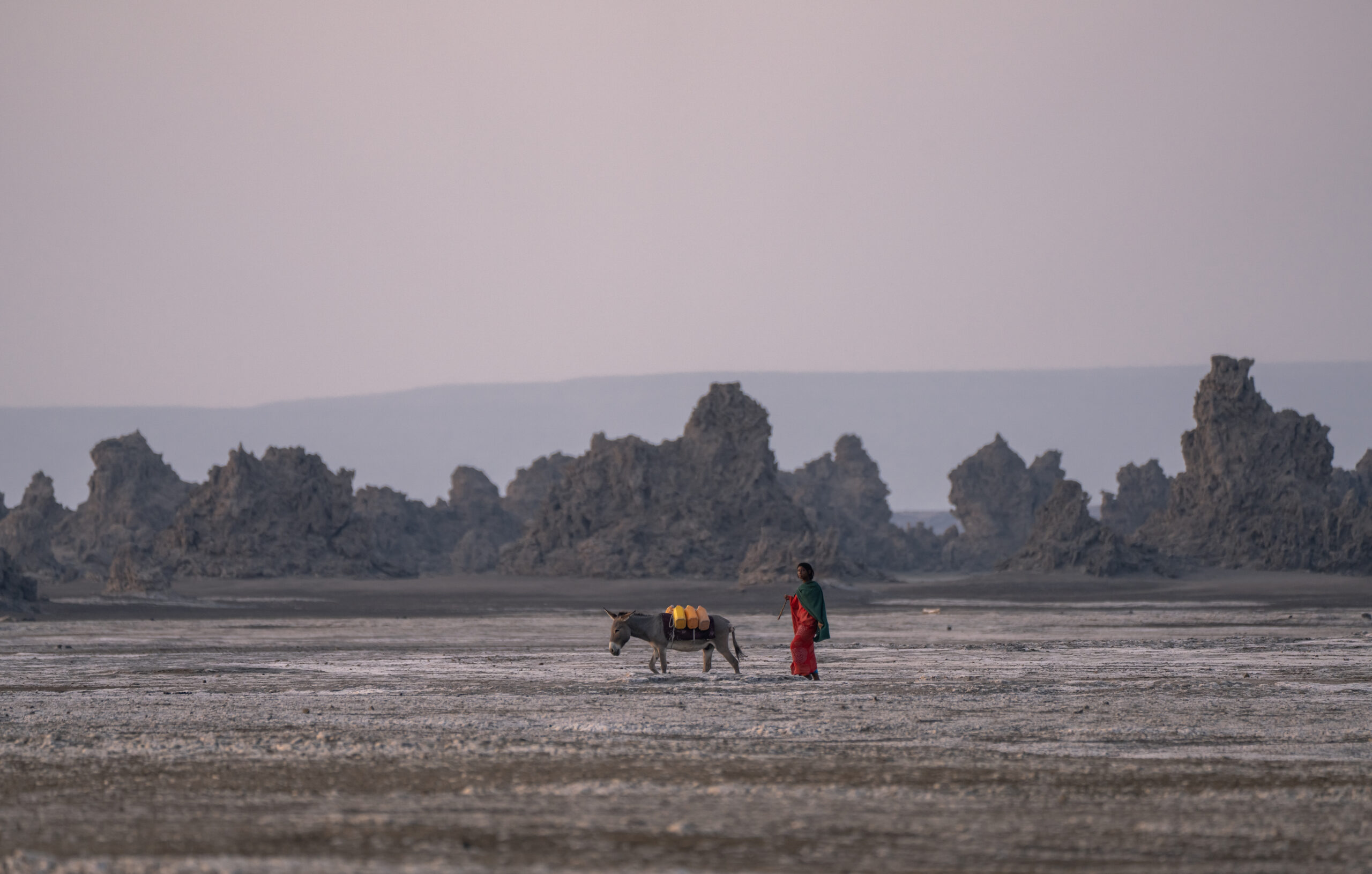
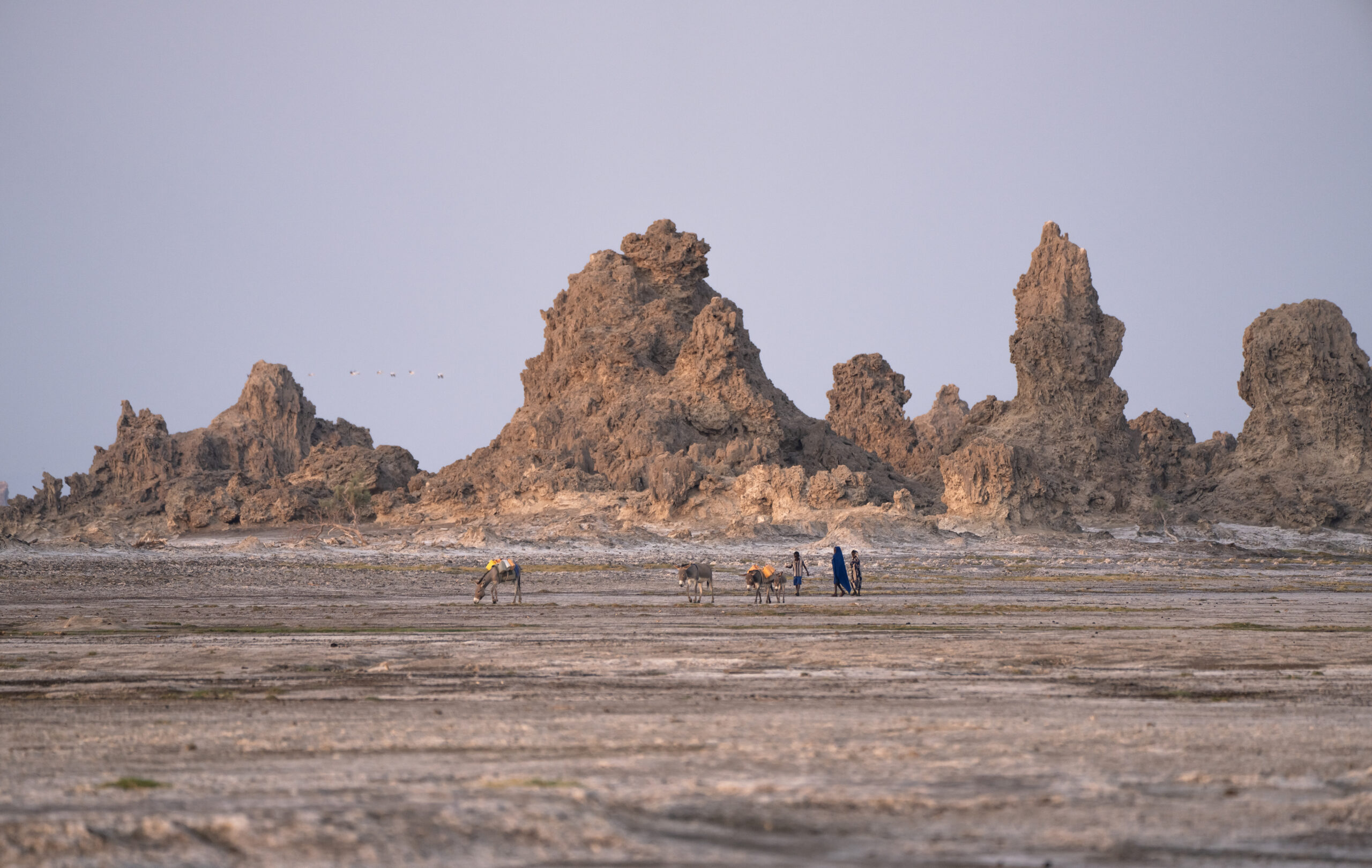
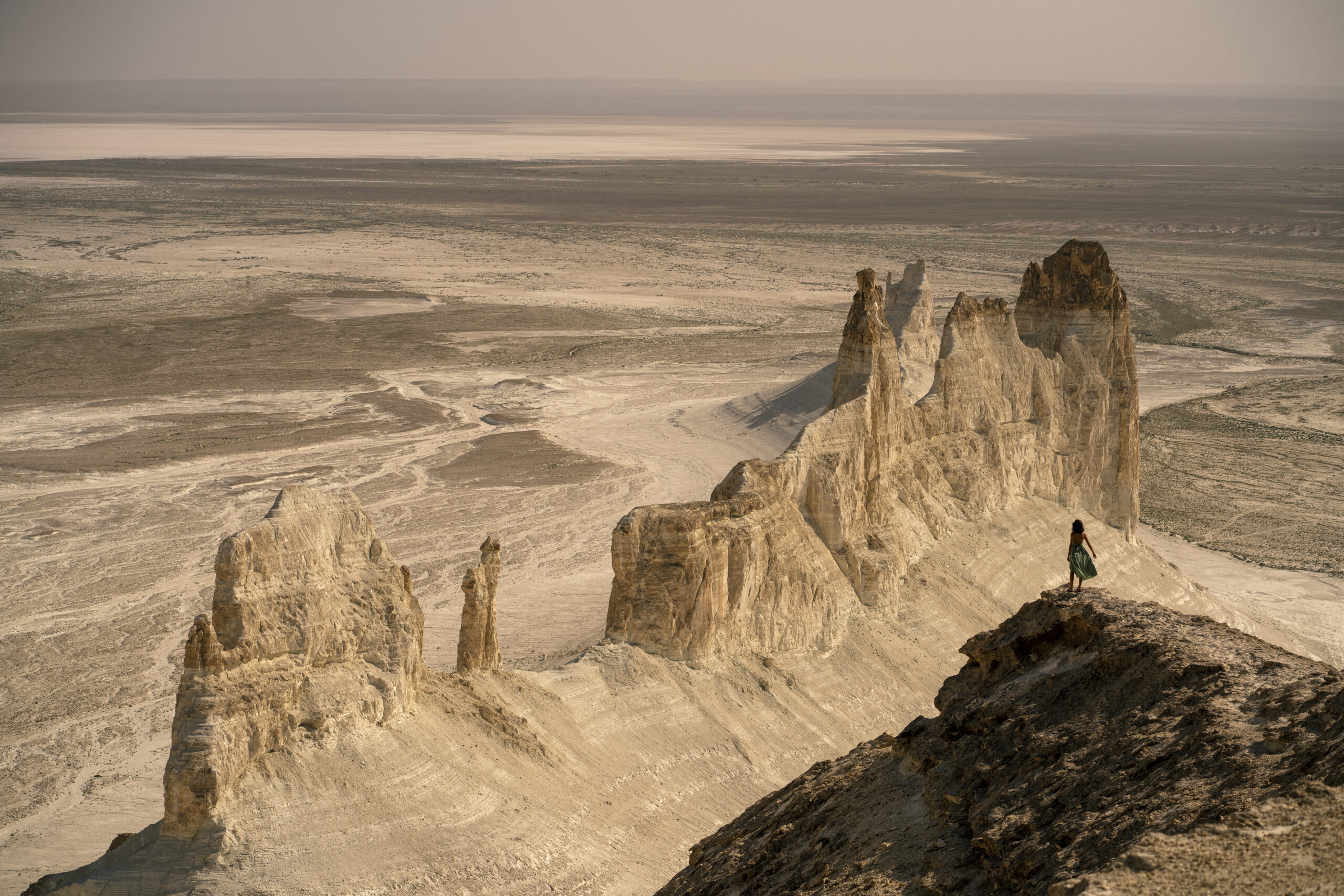
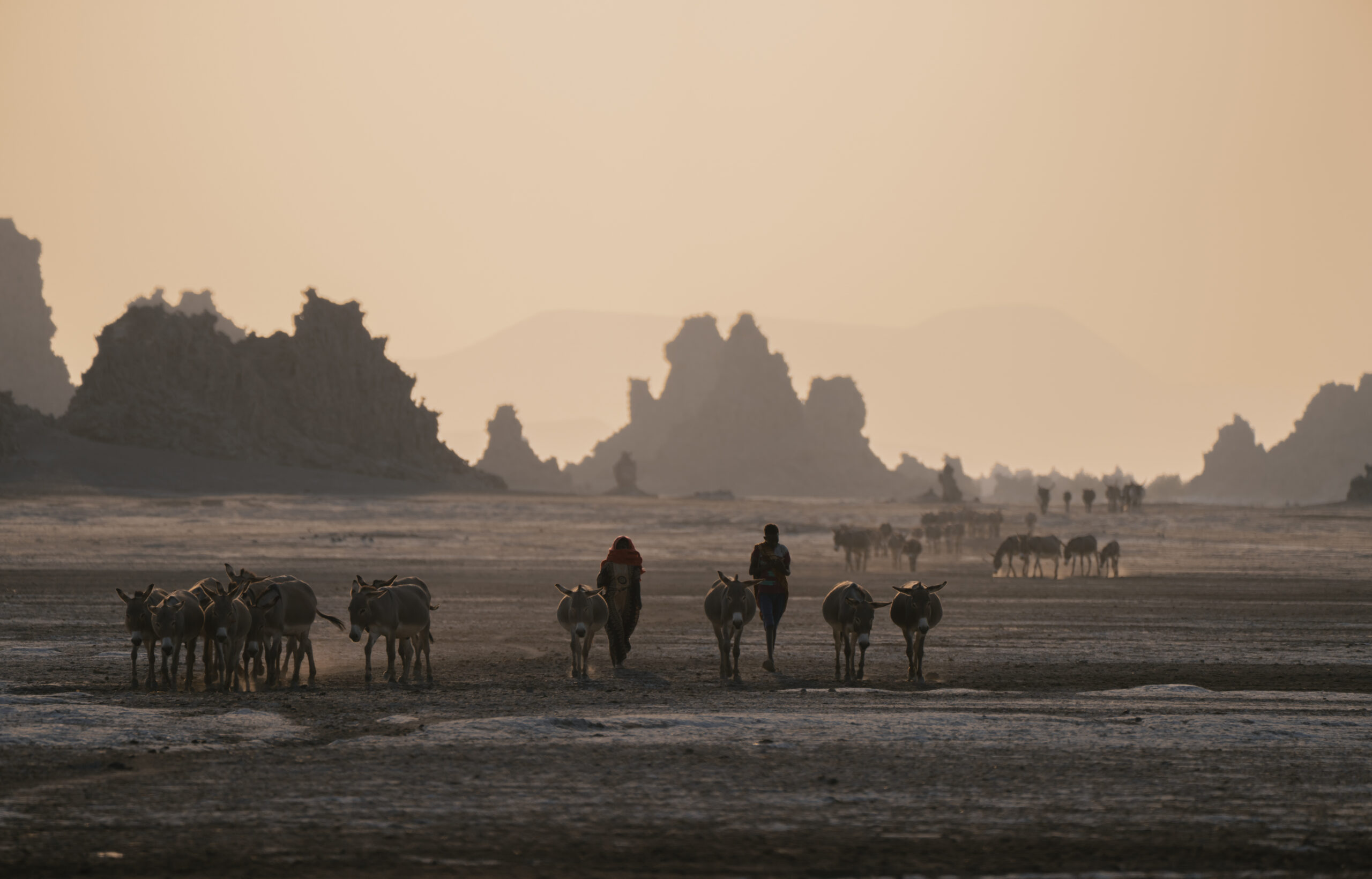
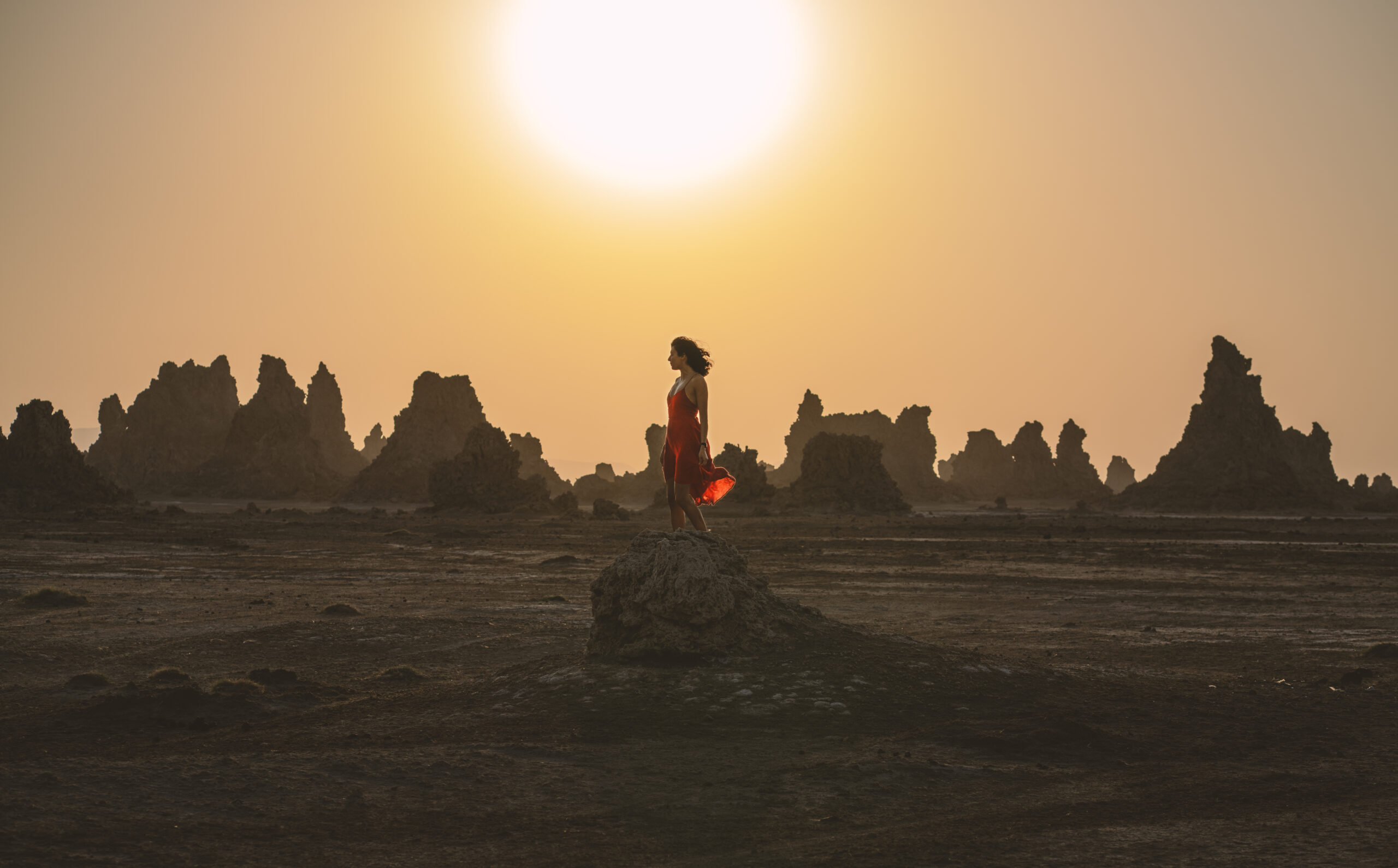
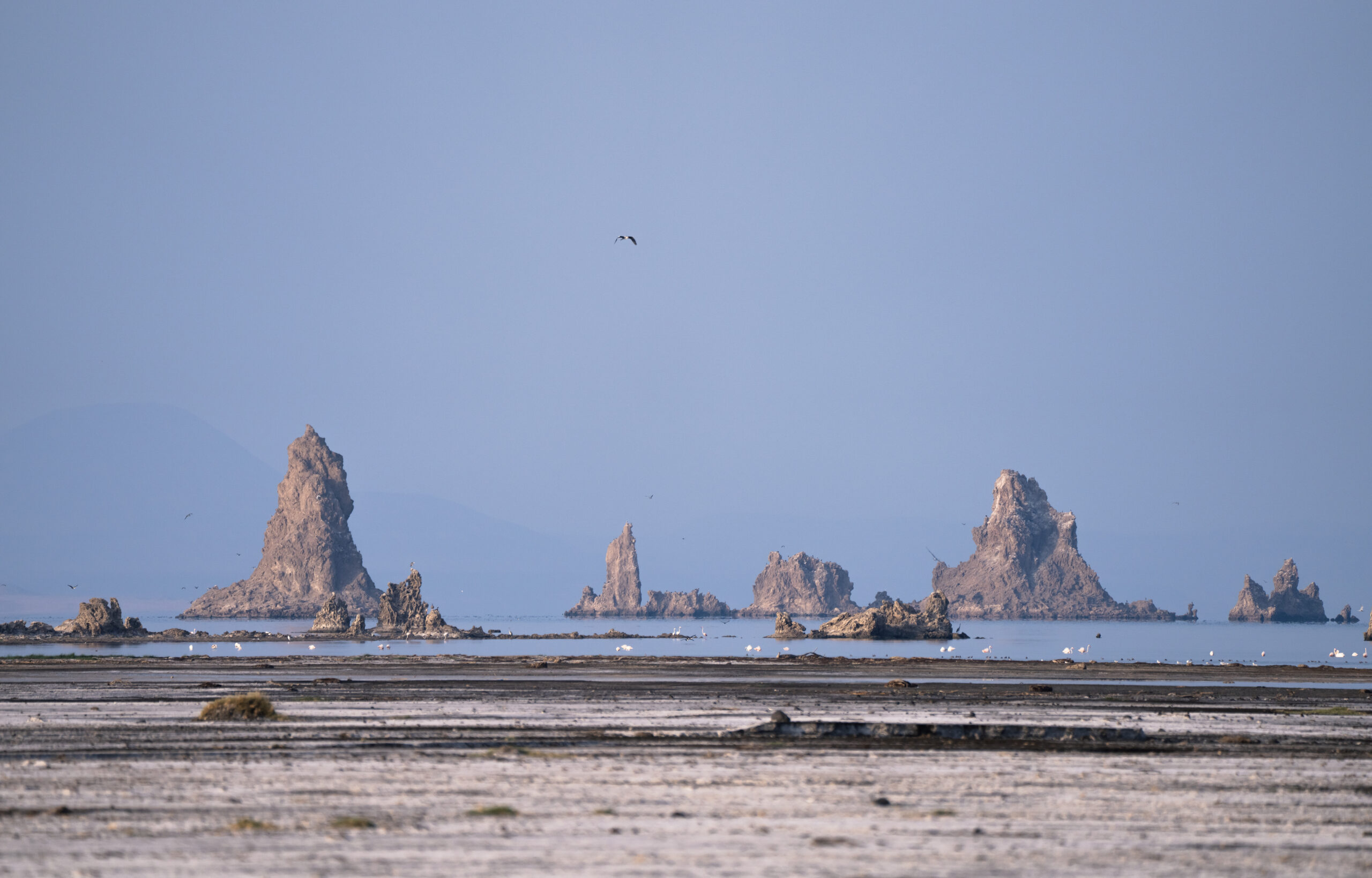
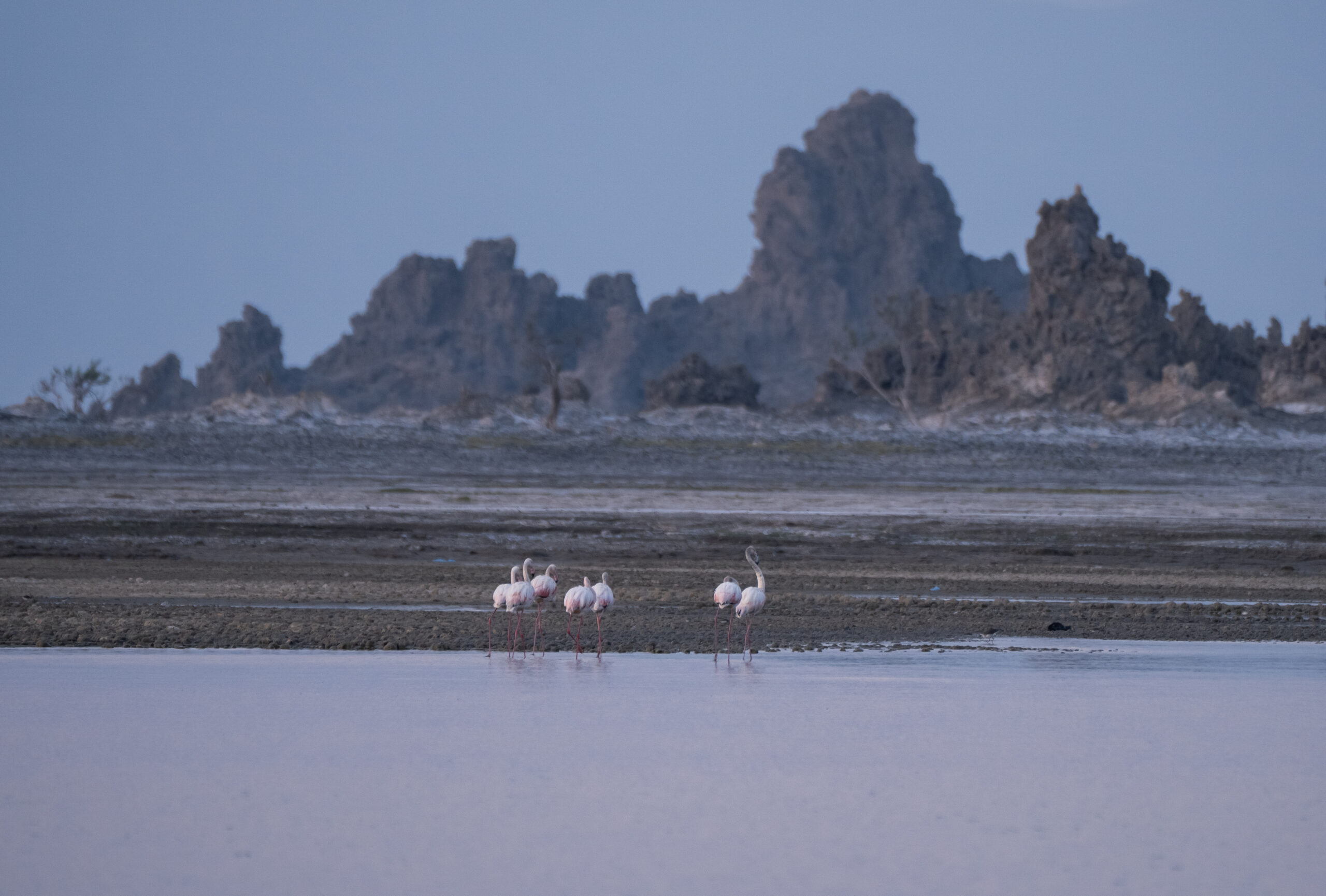
- LAKE ABBE – by far, the most spectacular place in Djibouti. Known from “Planet of the Apes” movie. It is a salt lake, located at the Afar Triple Junction, a unique geological site where three of the Earth’s tectonic plates meet and are actively pulling apart. The area is renowned for its surreal, alien-like landscape featuring hundreds of limestone chimneys, some reaching 50 meters (164 feet) high, from which steam vents. As the boiling water bubble up to the surface, they deposit the dissolved calcium carbonates creating the chimneys. The area is surrounded by thermal springs and the lake itself it is known for its flamingos. However, don’t get too close to the water as it can get too muddy. Definitely don`t drive close and stay on the pathways. We will get back to the details on how to get there shortly.
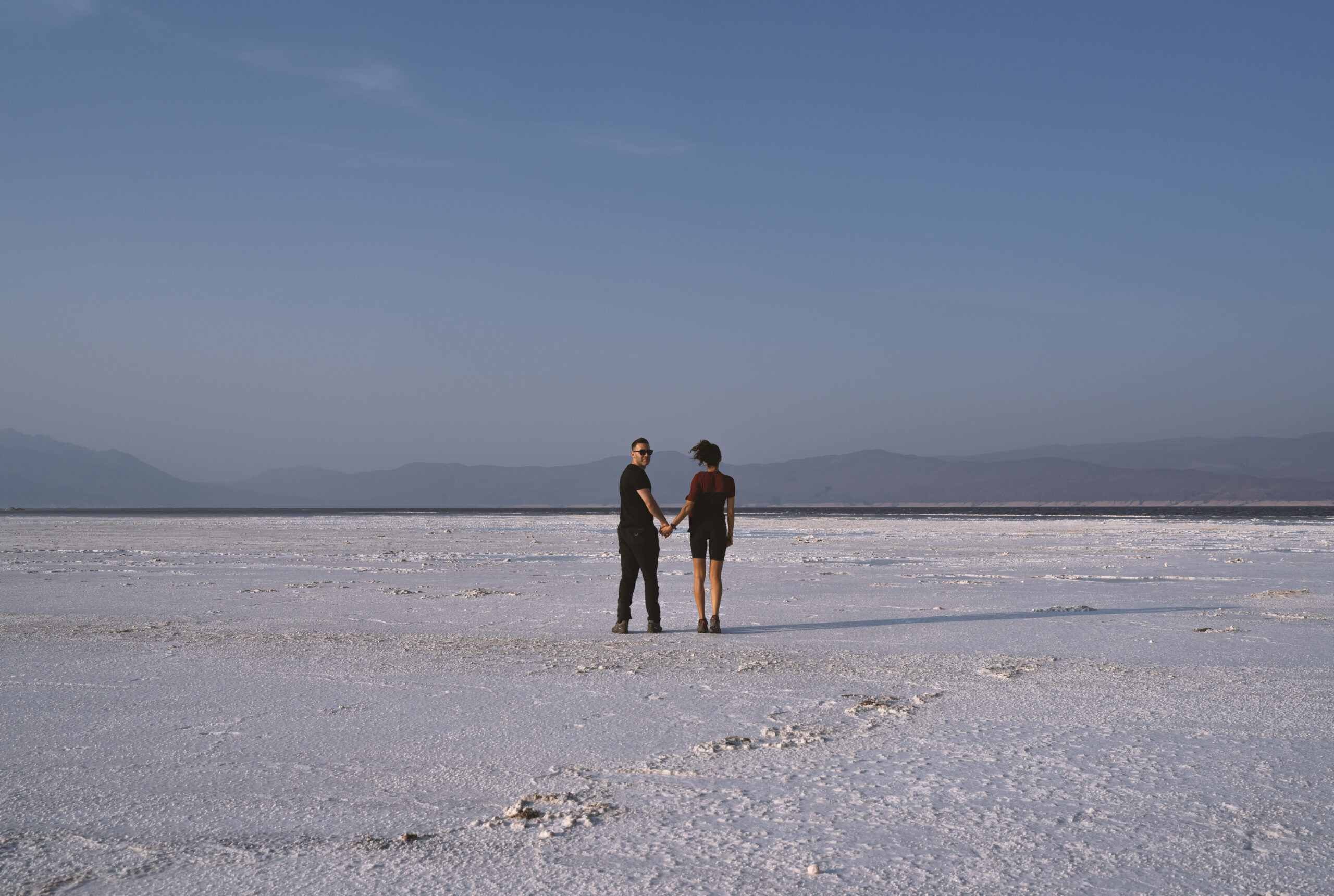
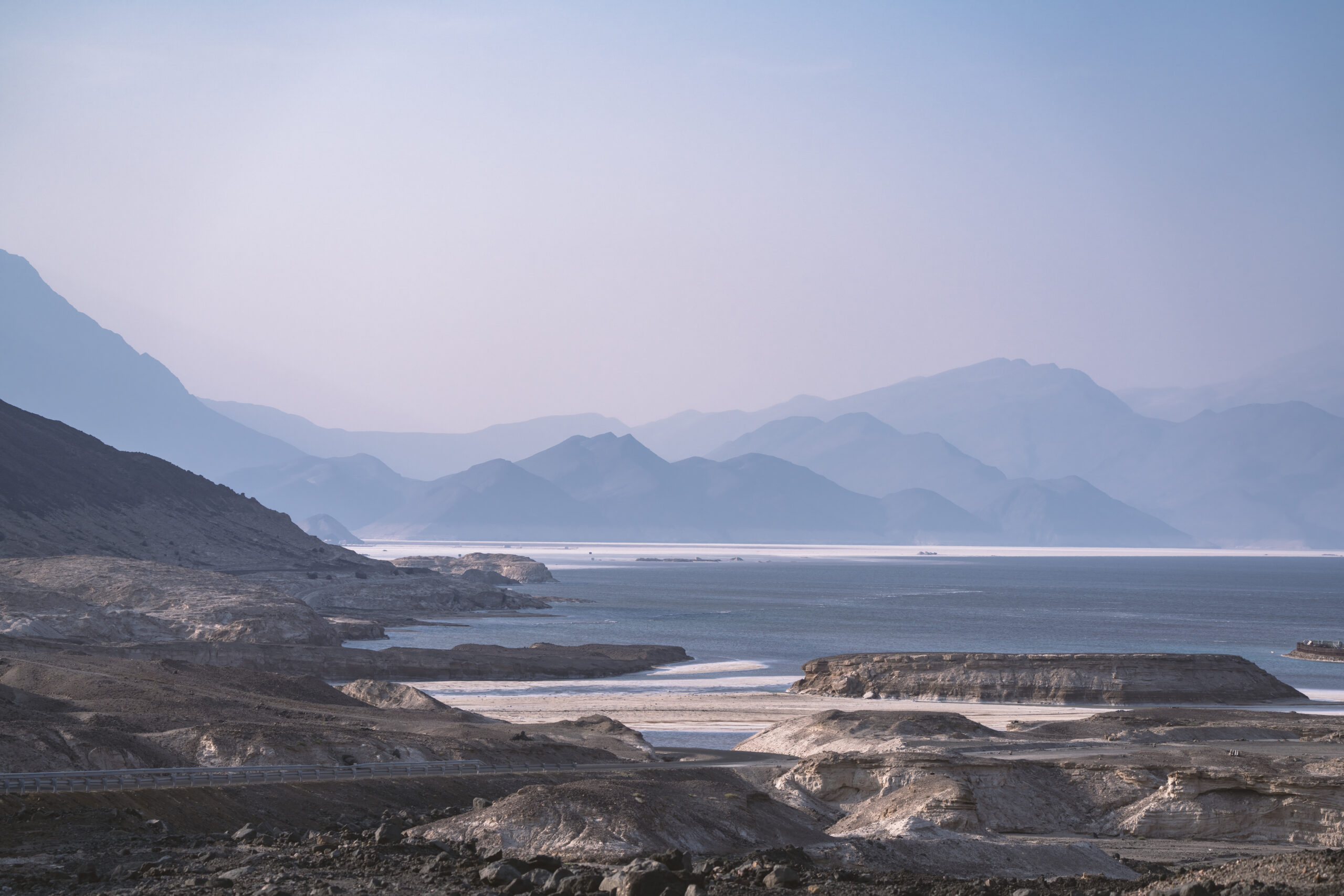
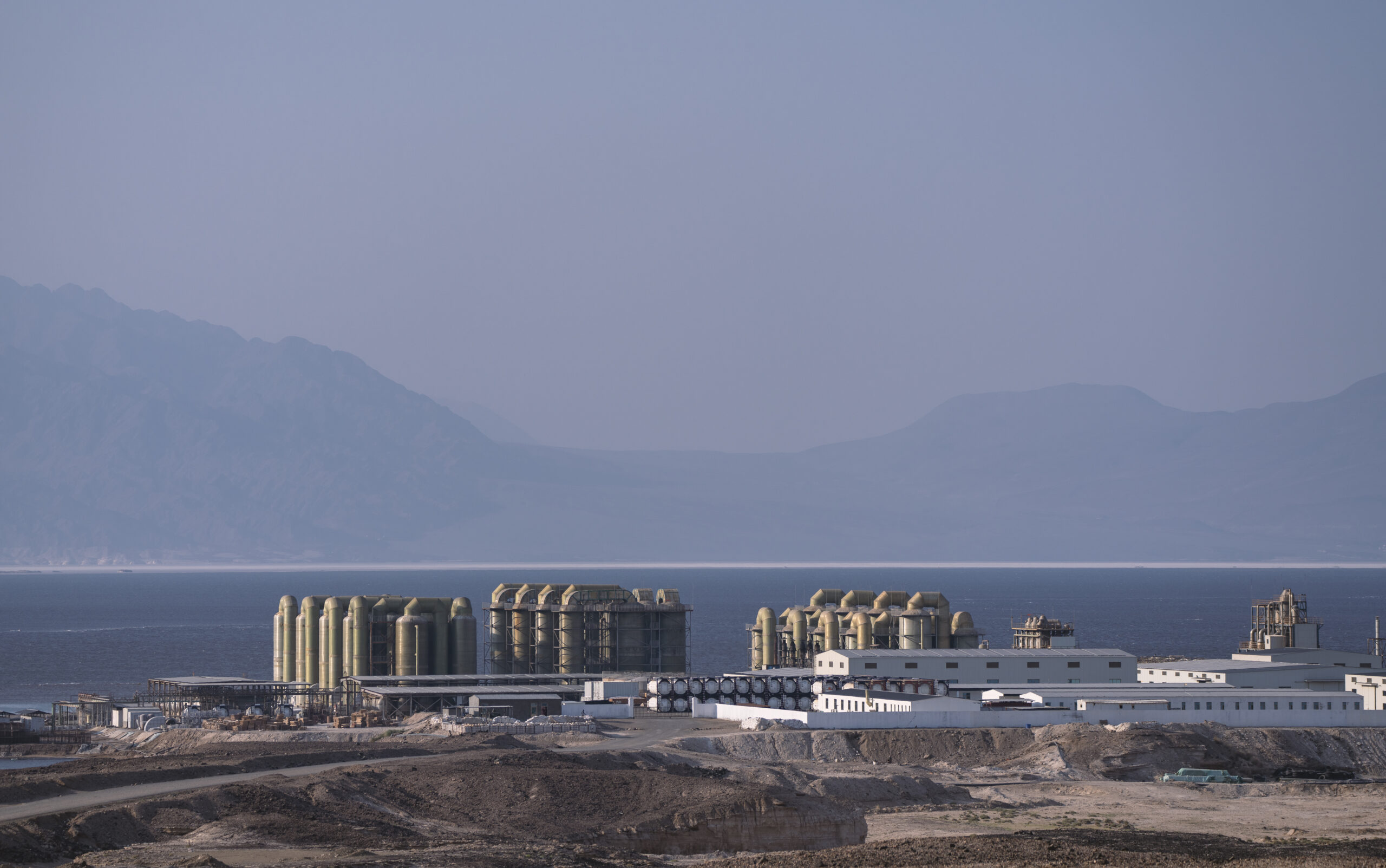
- LAKE ASSAL – another salt lake, the third lowest point on earth, after Dead Sea and the Sea of Galilee. It was supposed to be really blue/ turquoise in colour, but we didn`t find it like that. Not sure if it was due to the high wind or it was something else. It is Africa’s lowest point (155m below sea level), known for its surreal white salt flats, dormant volcanoes, and intense heat, with water saltier than the Dead Sea, making it a major salt-producing site and a unique natural wonder in the Afar Triangle. What dissappointed us was the Chinese factory producing sodium bromide and we are having serious question marks about the environmental impact and the fact that they are dumping things in the lake.
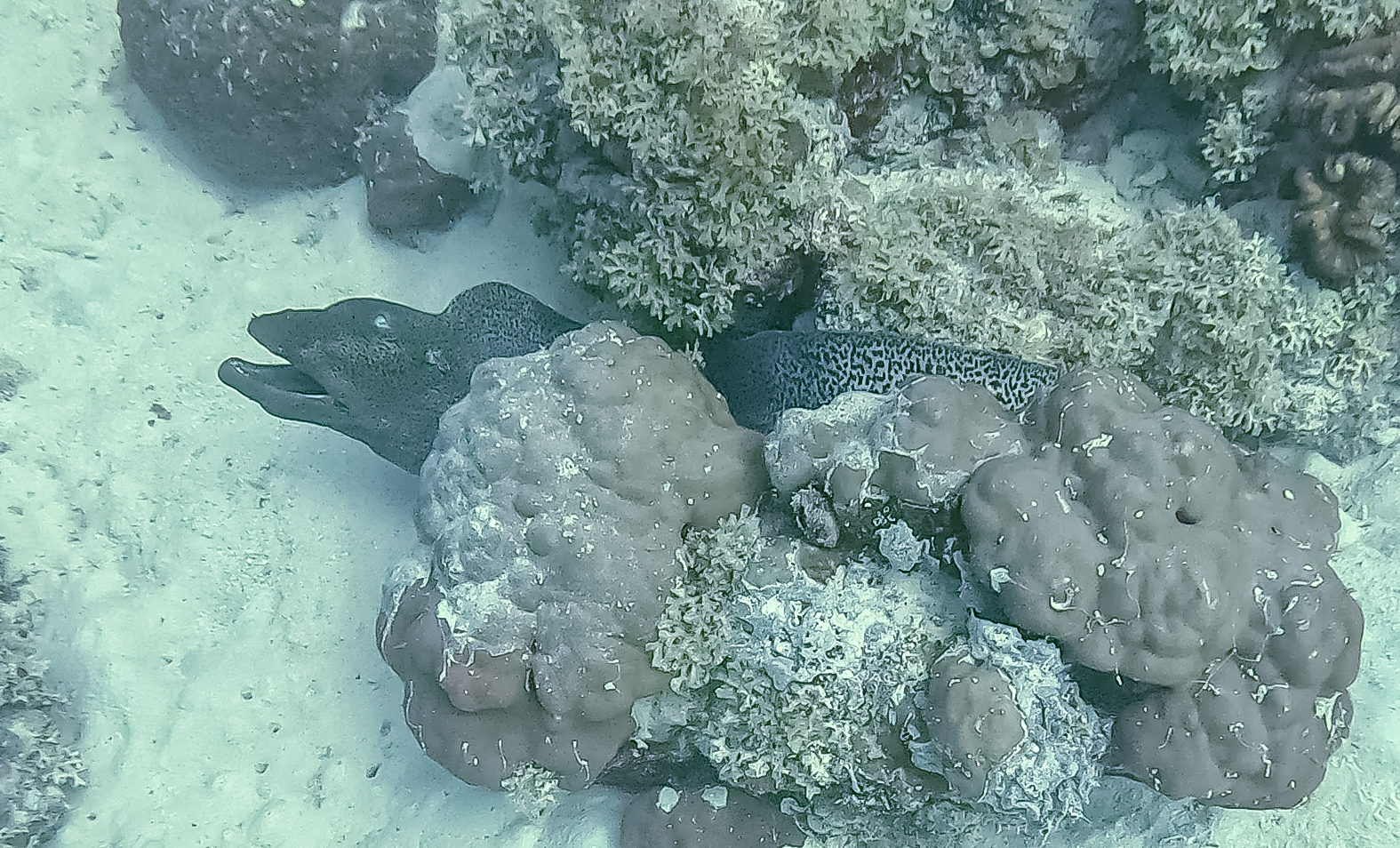
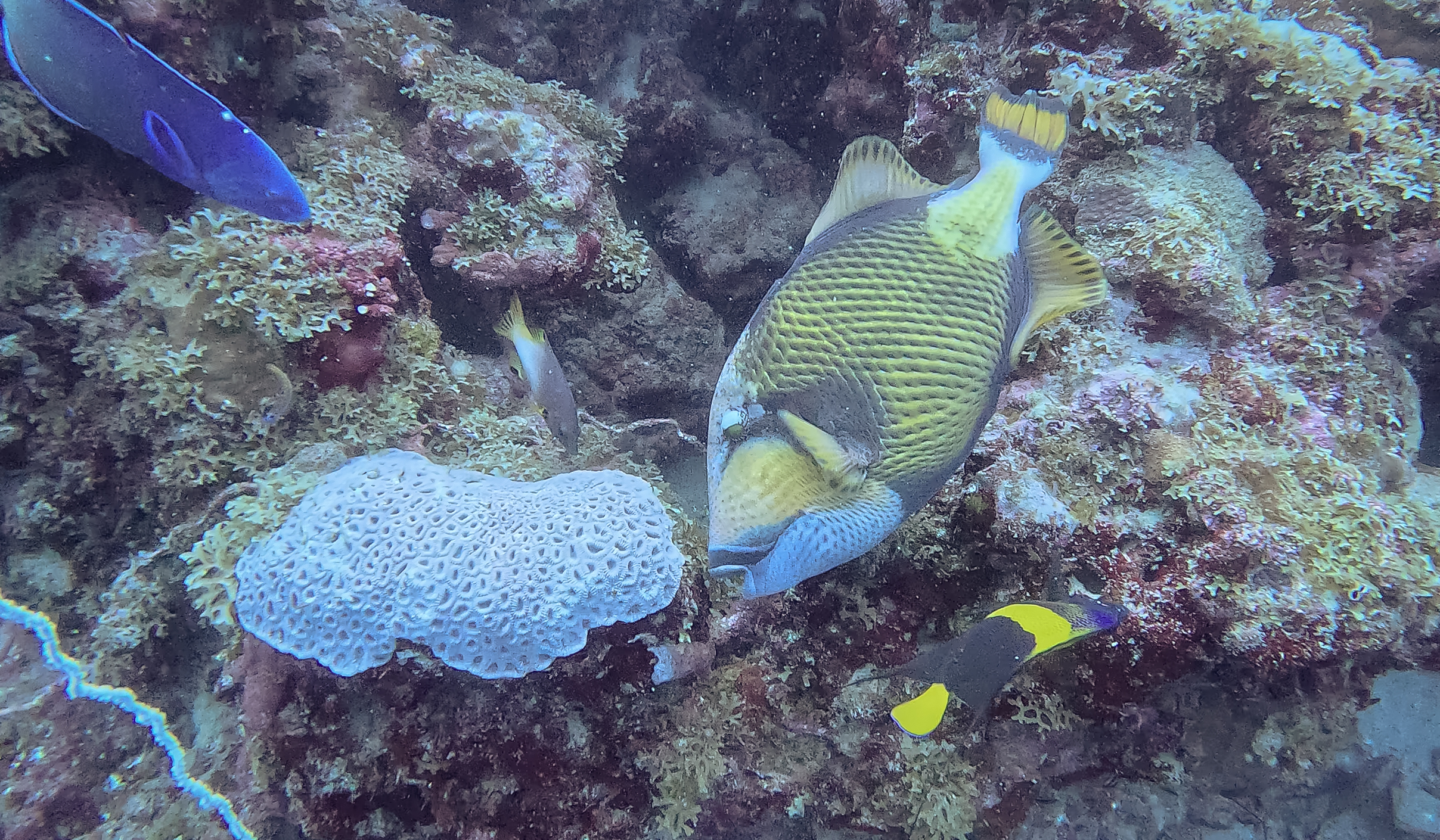
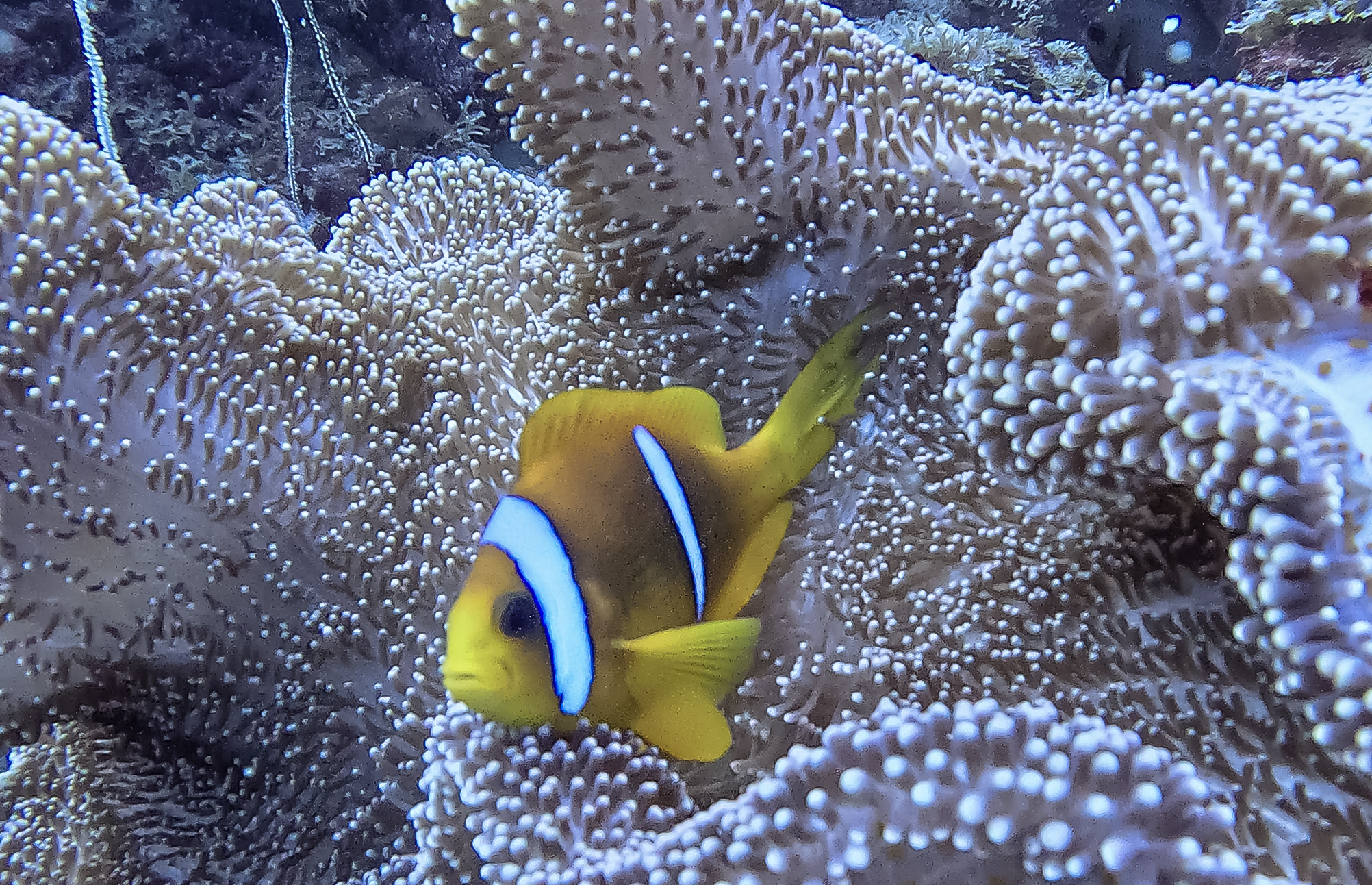
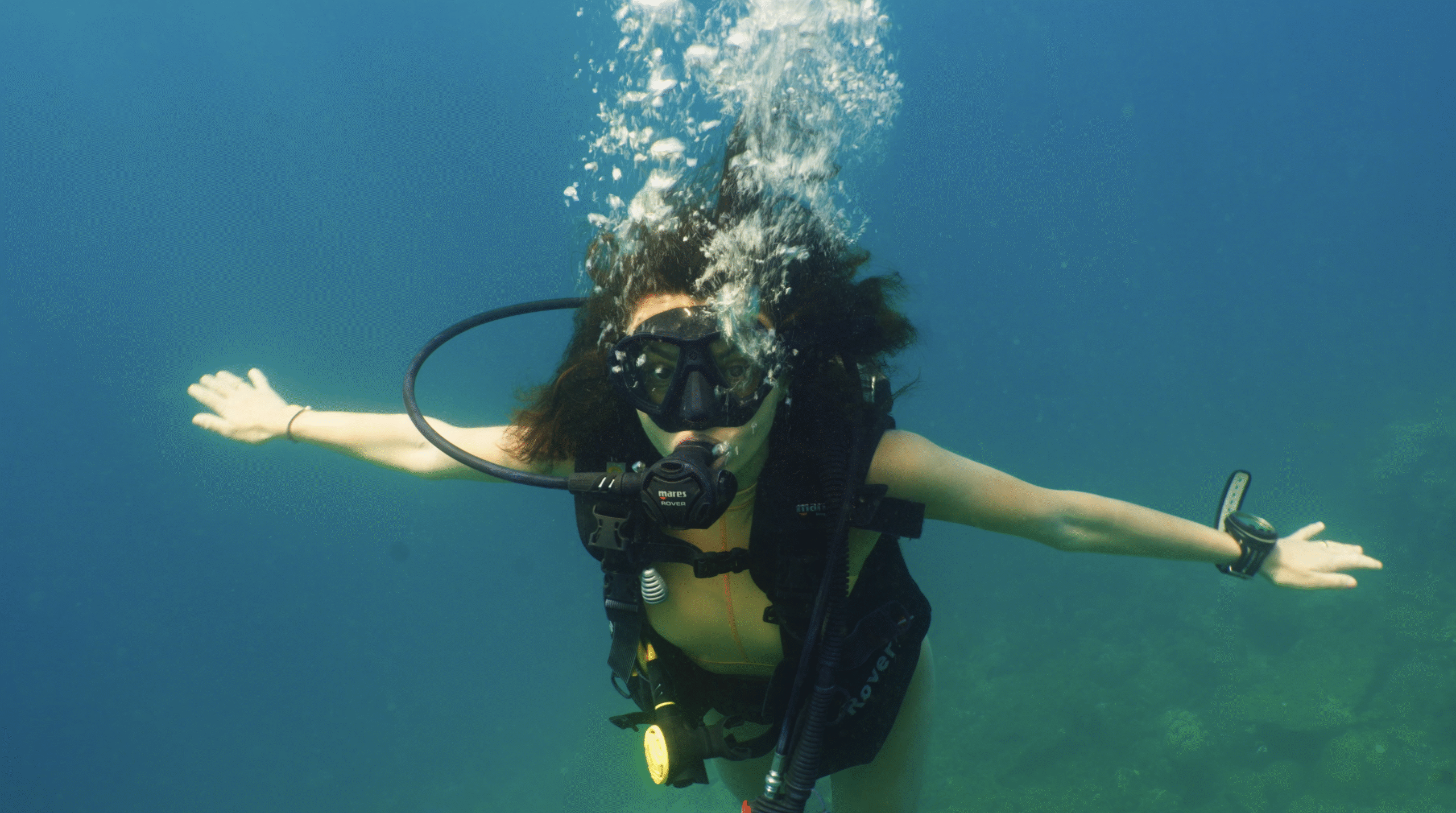
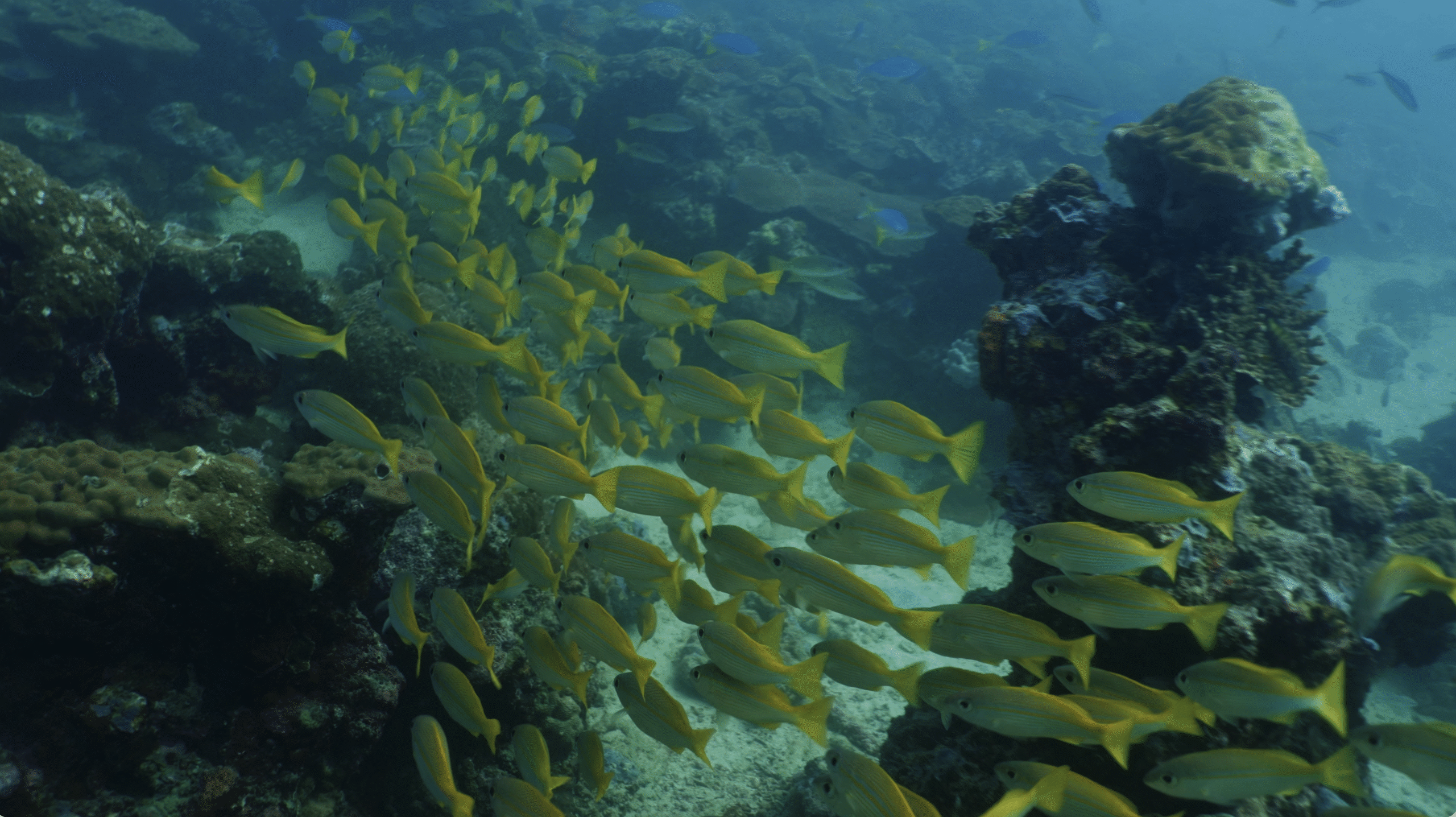
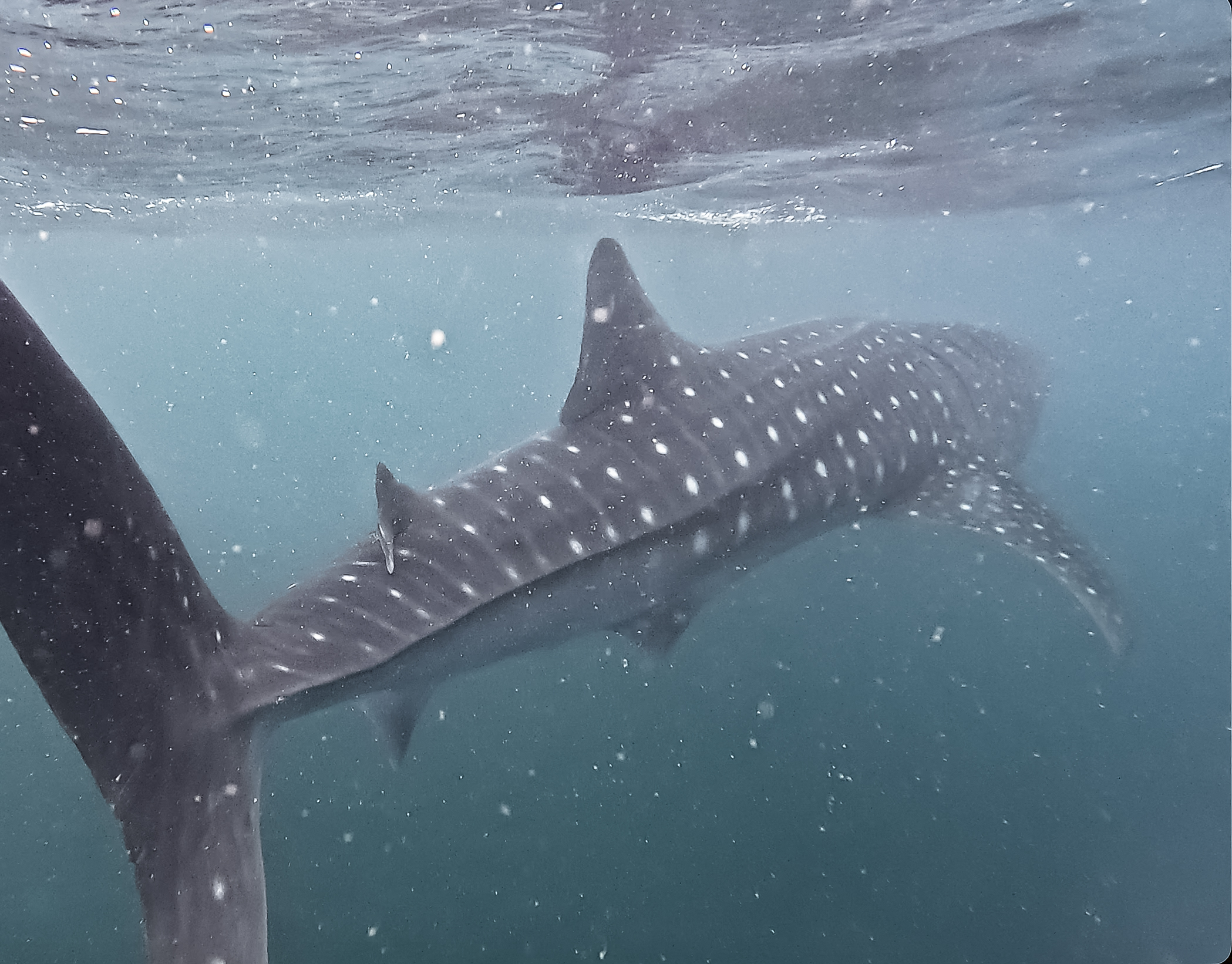
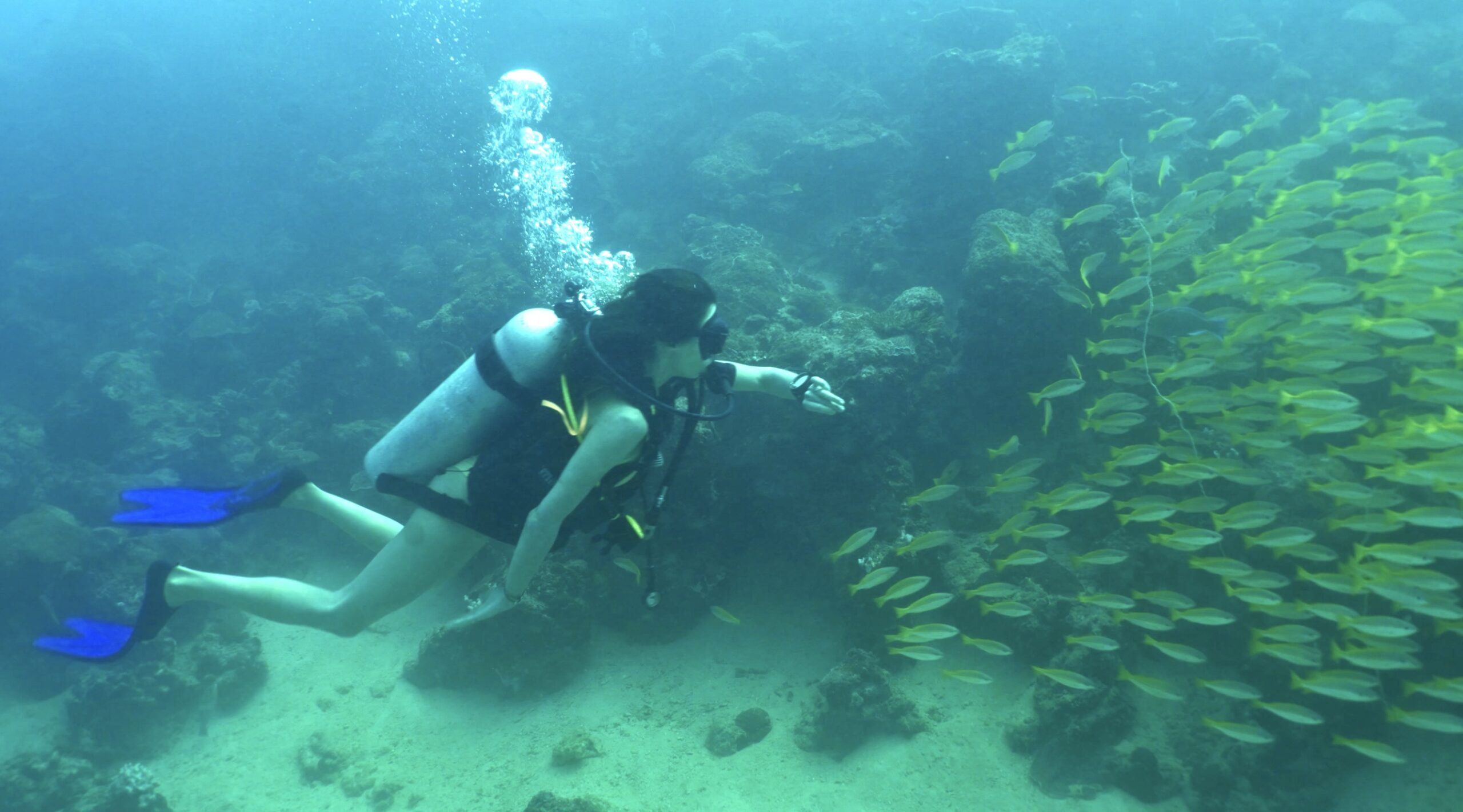
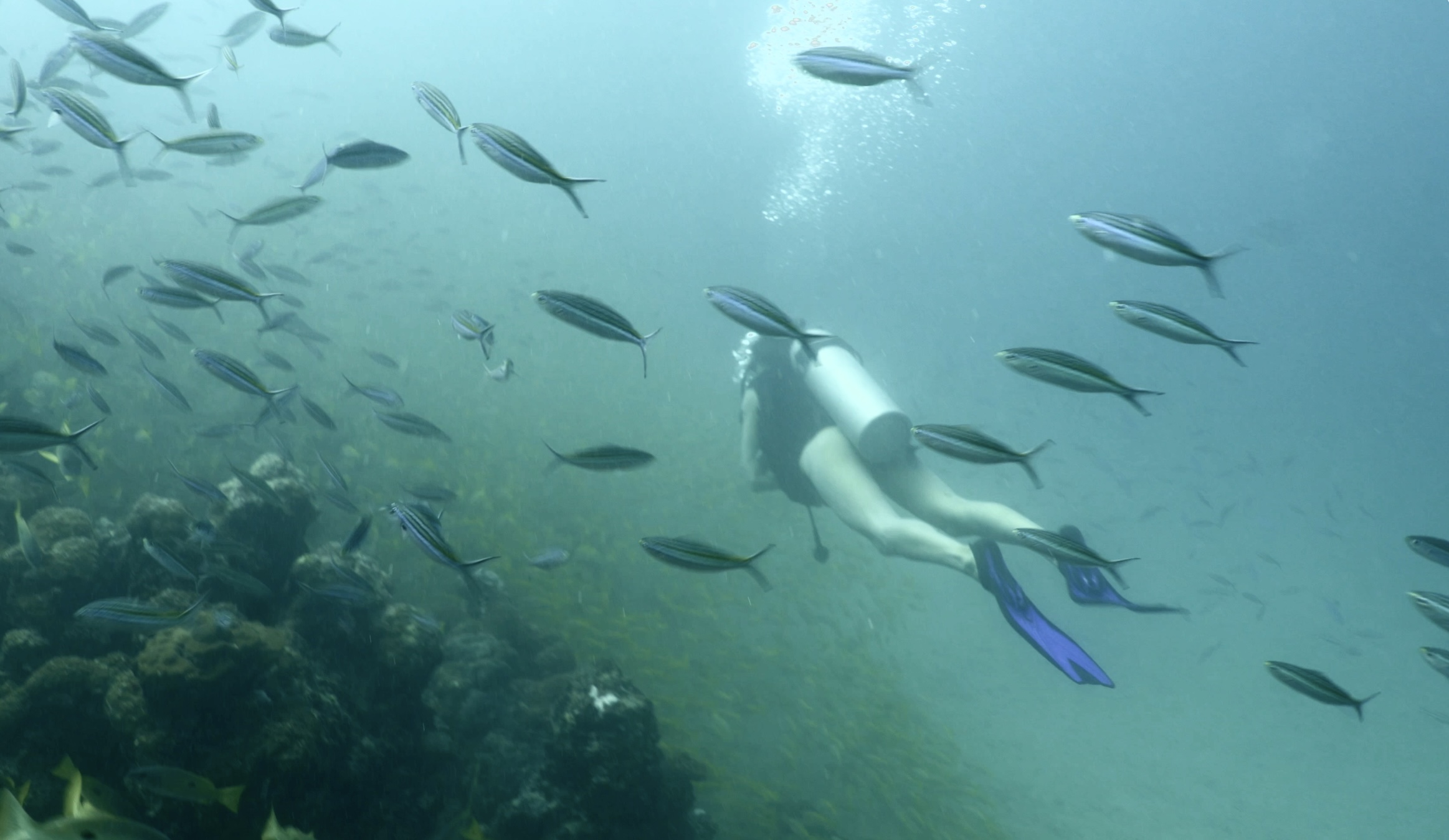
- WHALE SHARKS SIGHTINGS AND DIVING – while these are two different experiences, it is worth doing both. The whale sharks can be seen on snorkeling trips but diving allows you to see the coral reef and potentially ” The crack” ( La Faille ) in between 2 tectonic plates. More details below.
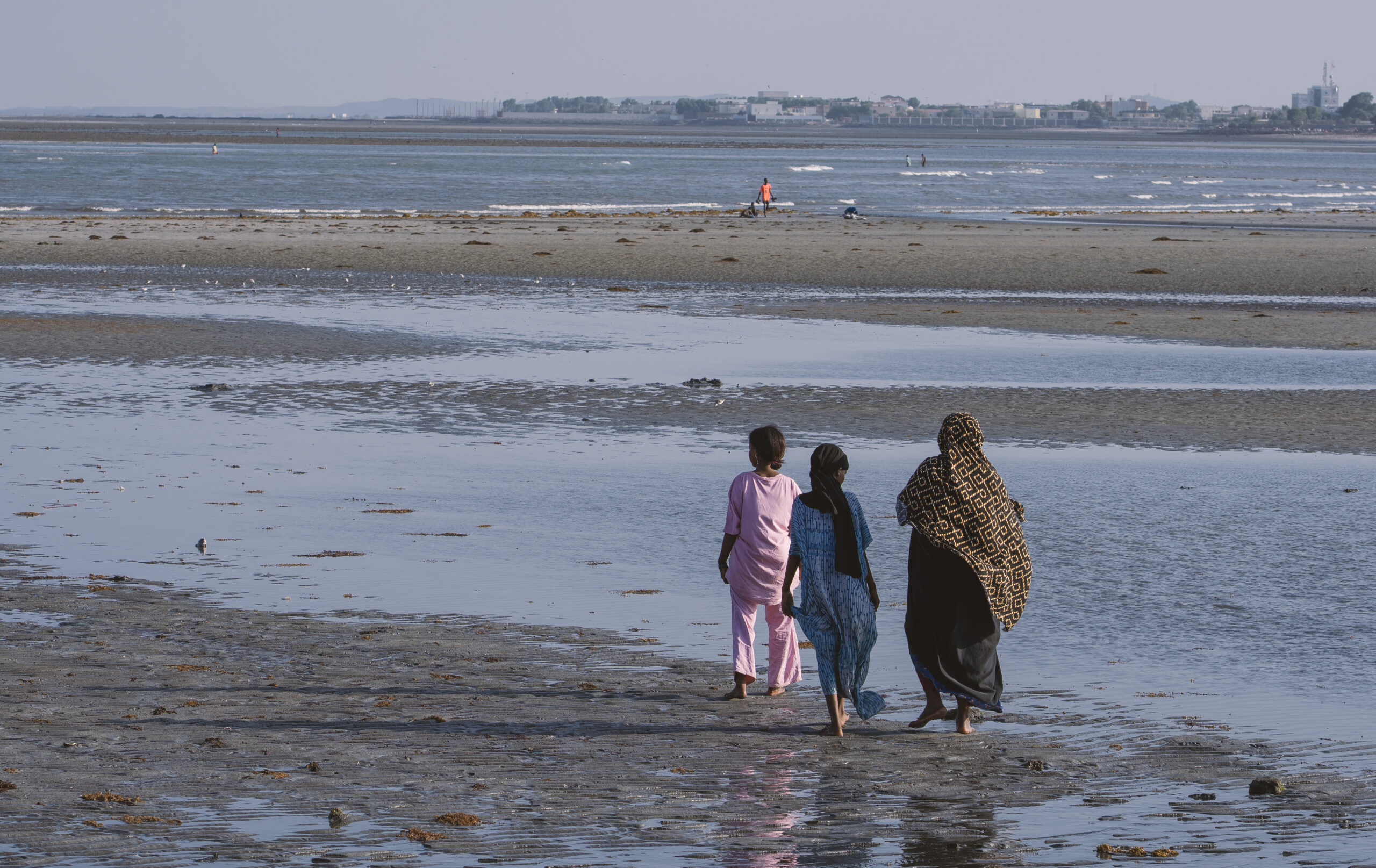
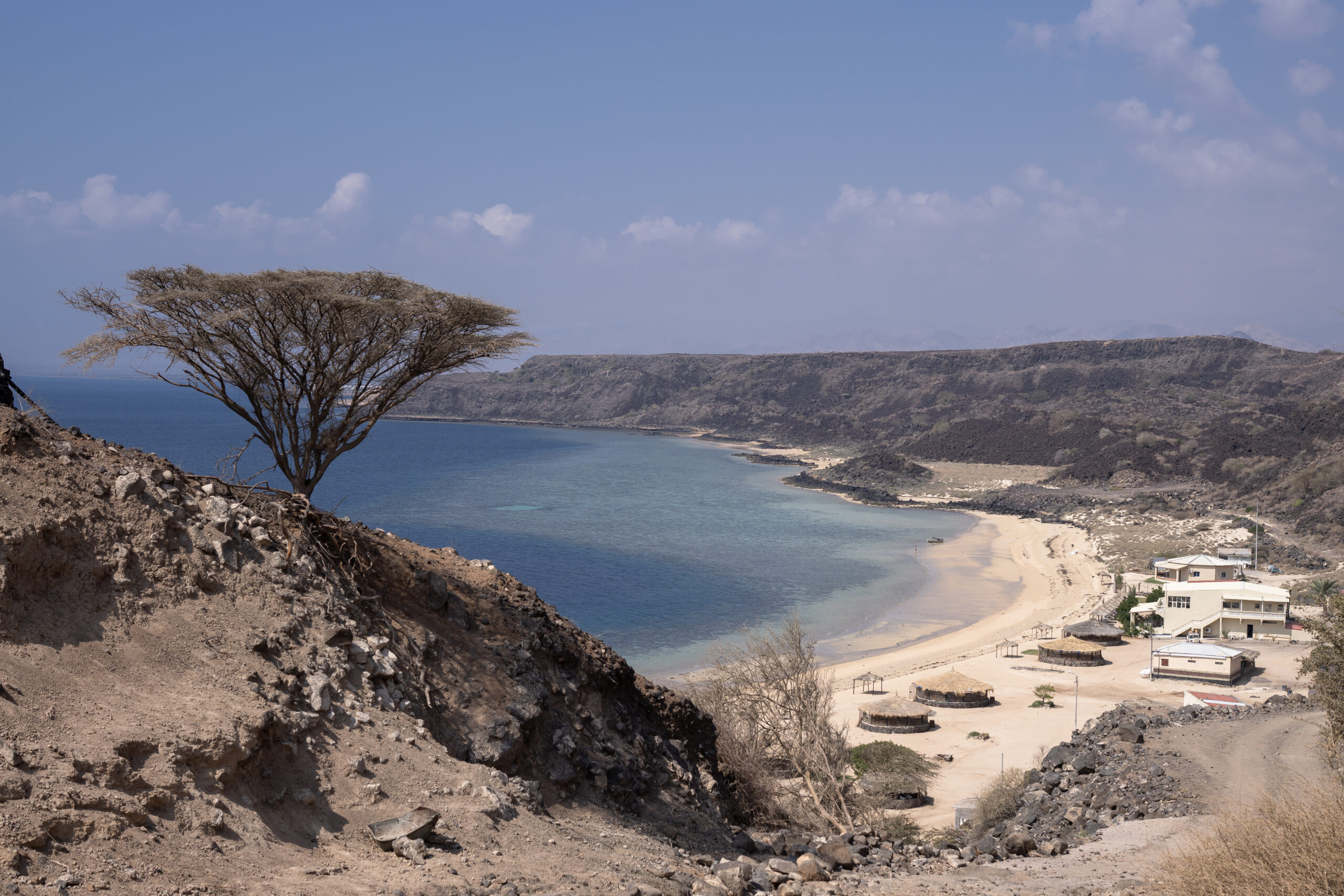
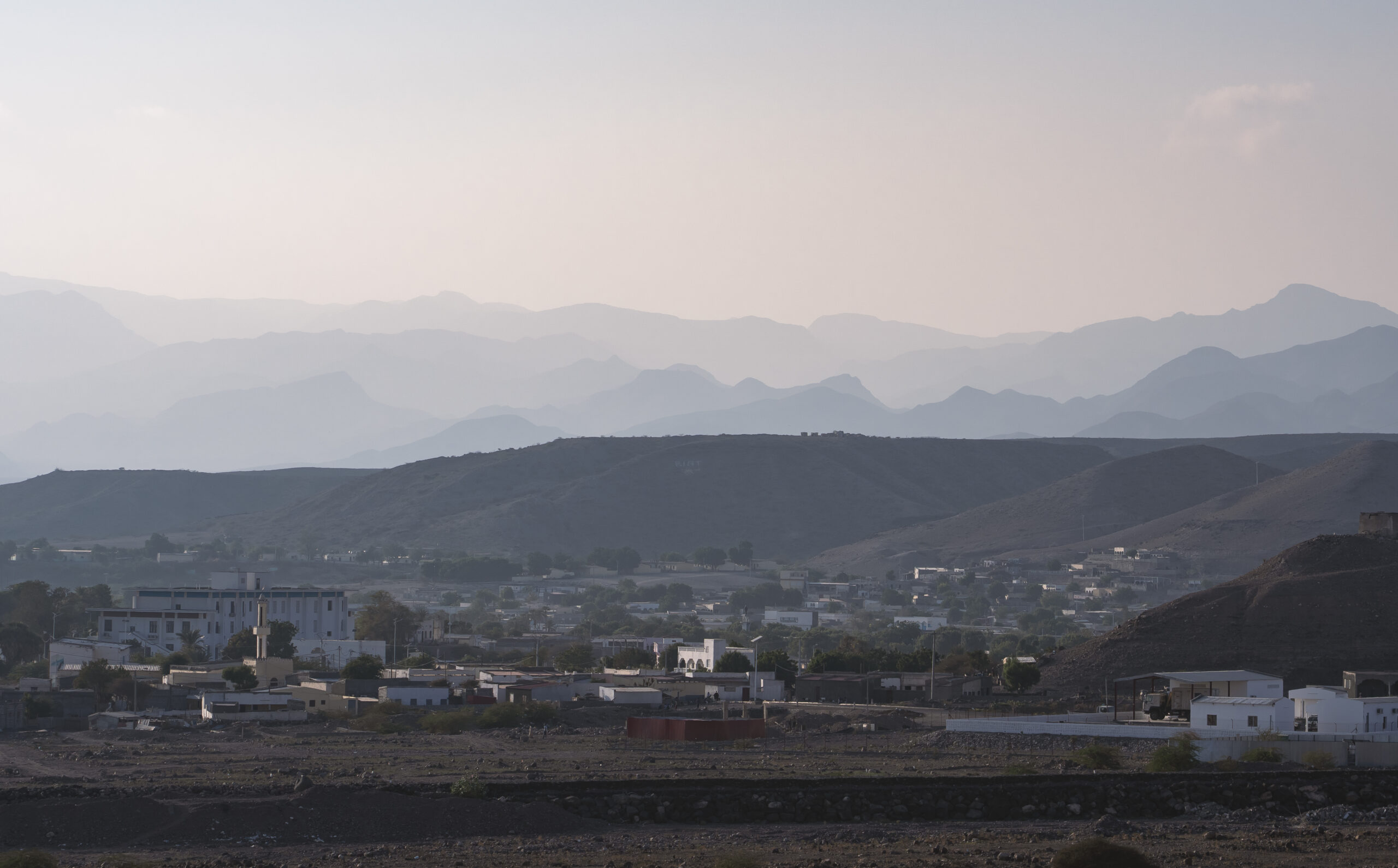
- TADJOURA – LES SABLES BLANCS BEACH – Tadjoura is the third largest city in the country after Djibouti City and Ali Sabieh. Tadjoura has an airstrip and is linked by ferry with Djibouti City. It is also known for its whitewashed buildings and nearby beaches, along with its mosques.
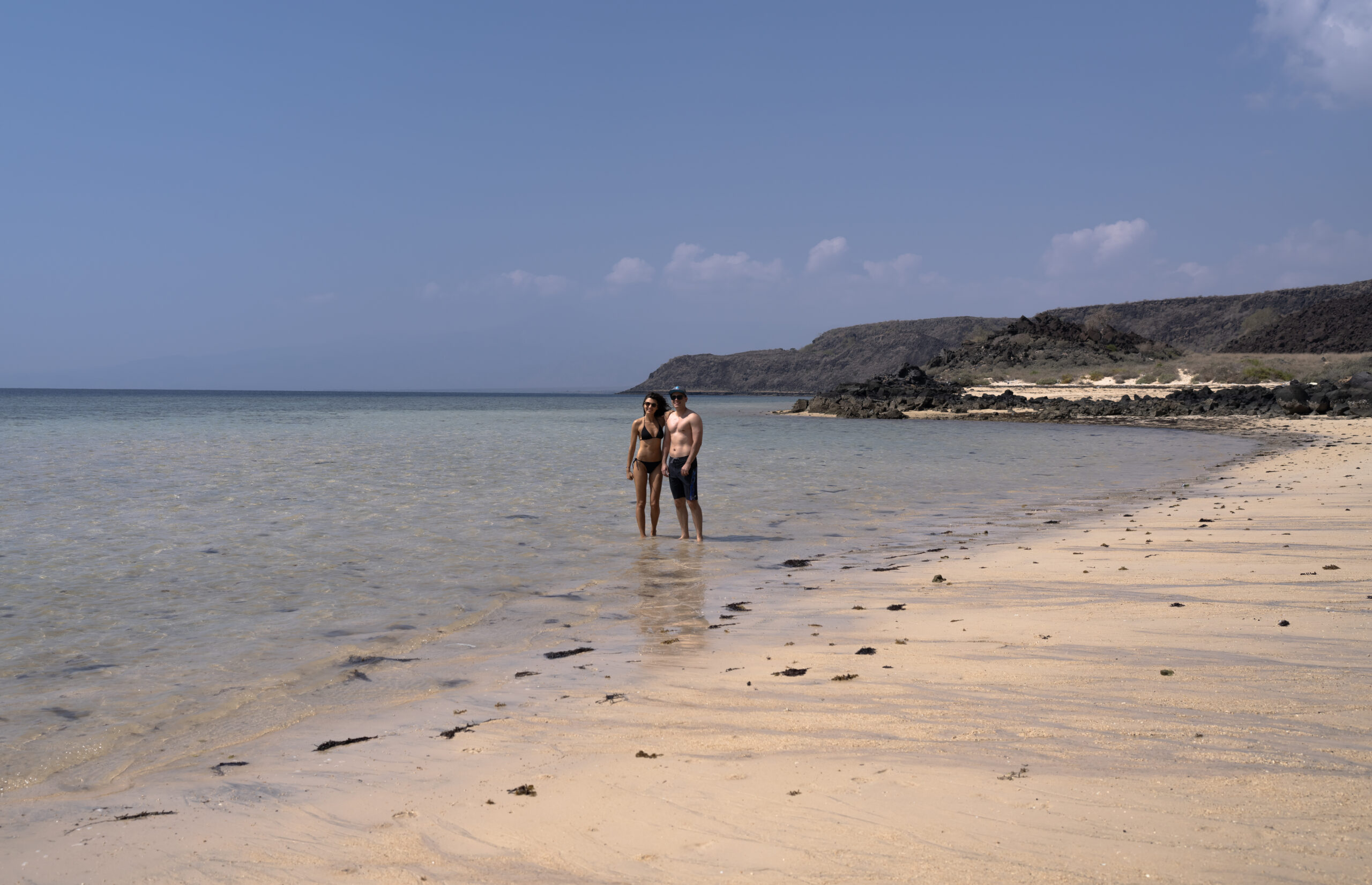
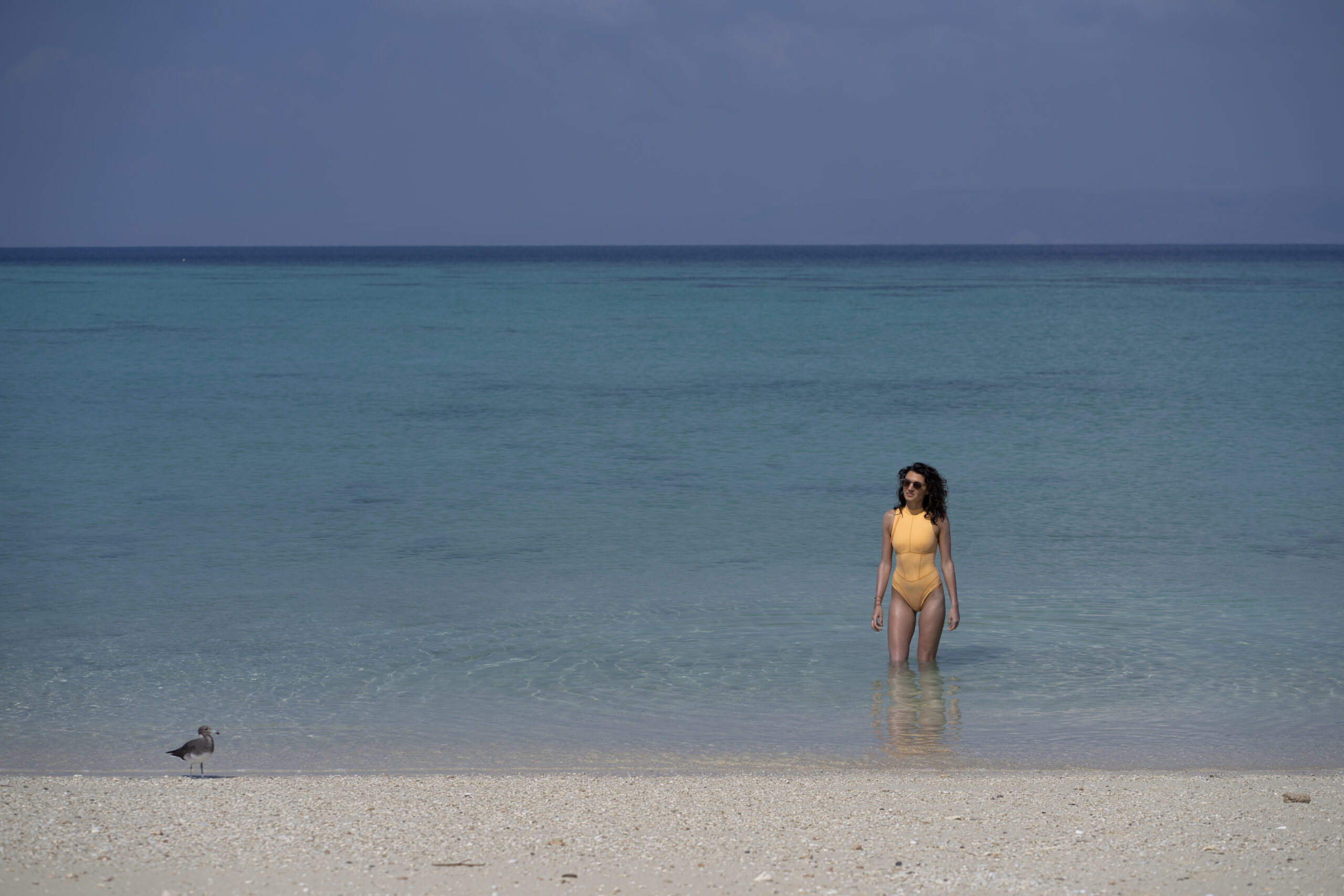
- MOUCHA AND MASKALI REEF ISLANDS – we only did diving in the reef around Maskali + a stop on Maskali beach in between dives. The beach itself looks stunning and the water is super clear and turquoise. For Moucha, apparently there is a hotel or 2 over there but they tend to not reply.
Self driving to Lake Abbe
As mentioned before, there is not a lot of information about this. On most of the blogs and Tripadvisor forums it is often mentioned that you need a guide, as it is impossible to navigate around there. We only found one guy – this one – that we contacted and confirmed that he did the self drive. So we thought we would give it a try.
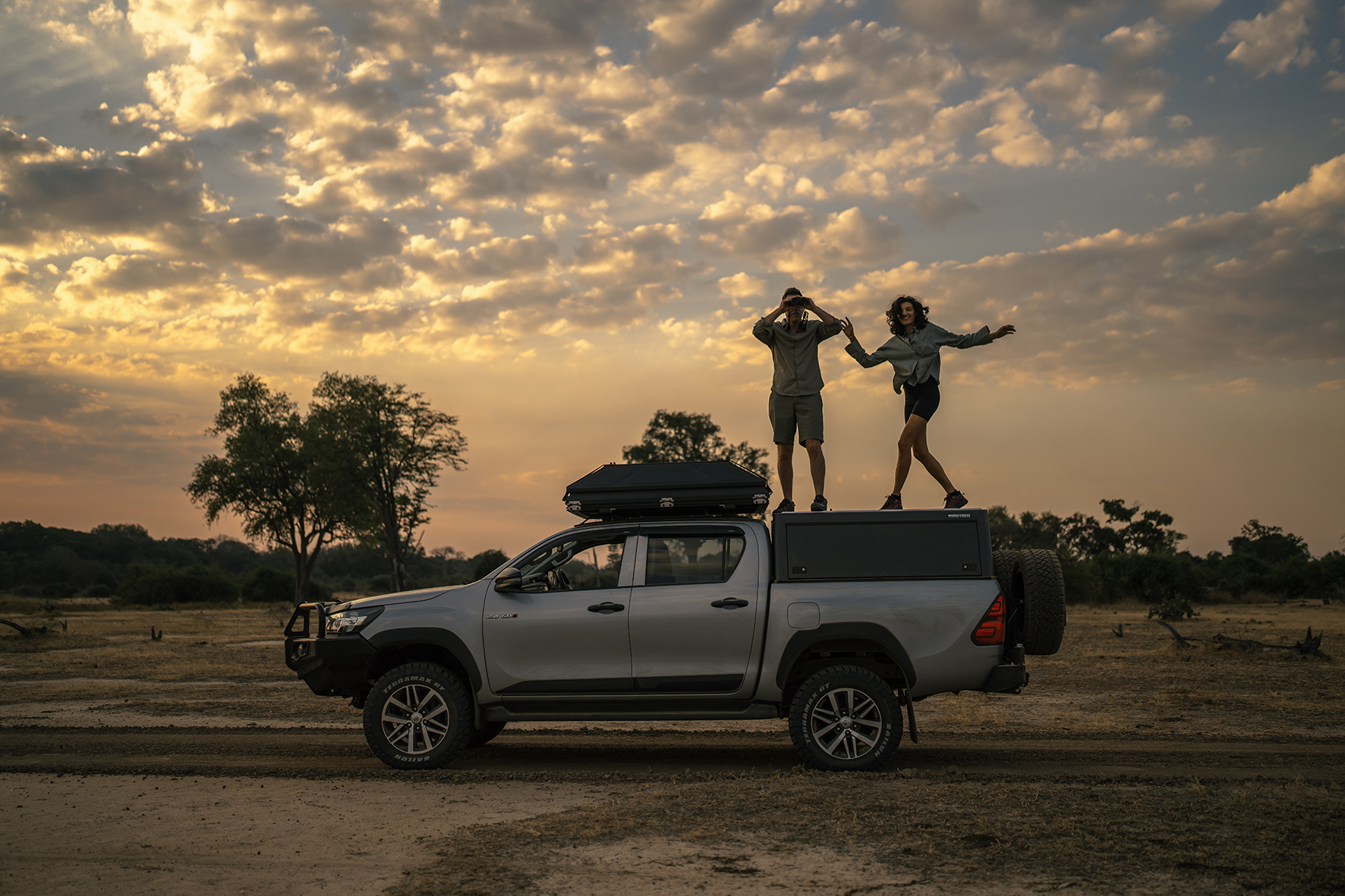
I`m not sure if it is because we did the self driving in other remote parts of the world, but it did not feel difficult at all. Basically, all you need is a 4WD car ( preferably a Toyota Hilux or similar ) and the Maps.me app with the downloaded Djibouti map. In terms of driving skills, if you stay on the tracks and you have a decent car, you are pretty safe. It is mostly gravel and occasionally sand, but nothing too bad.
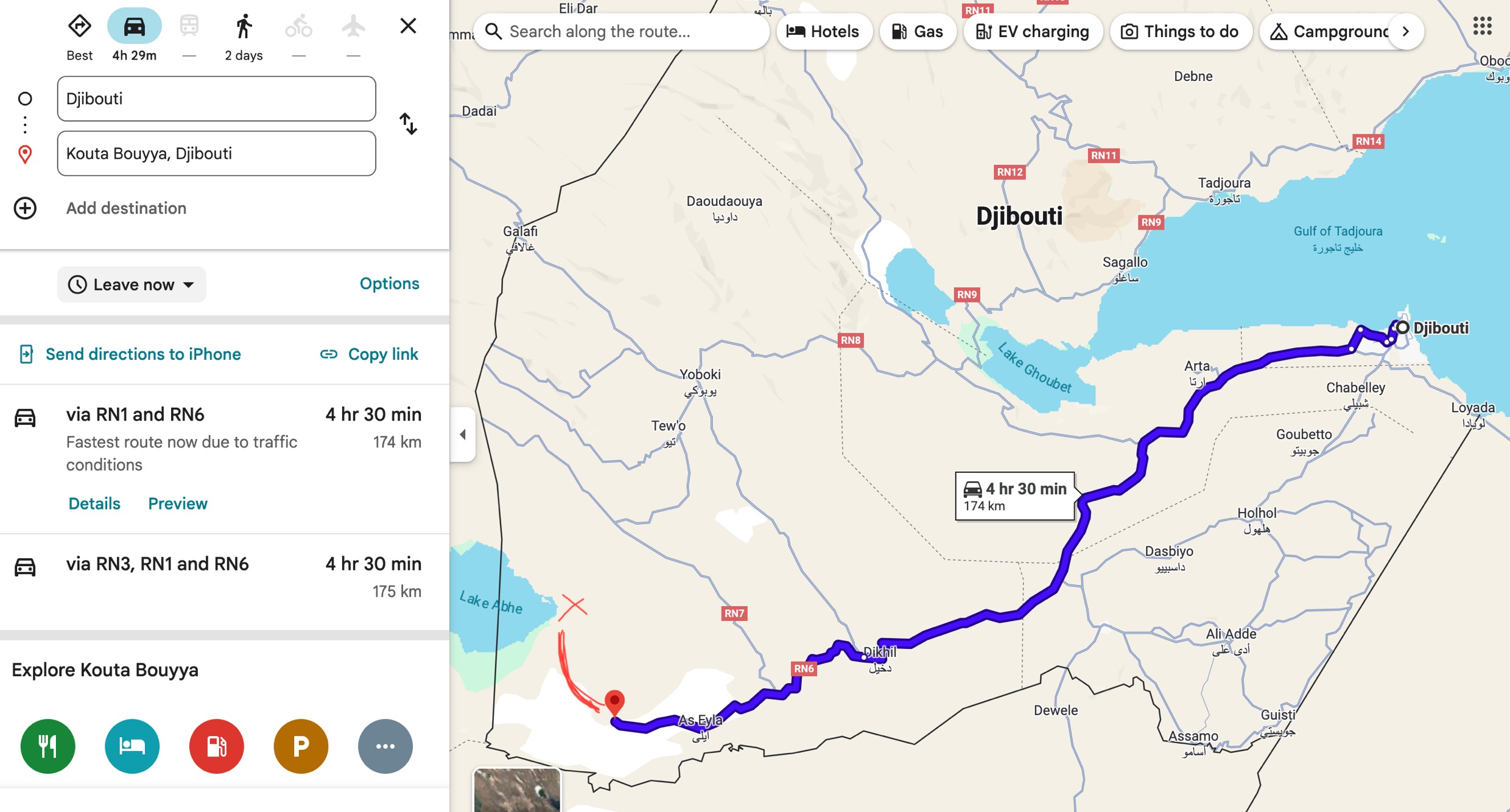
The way to get there is to drive from Djibouti City to Dikhil – which takes around 3-4 hours – then start the offroad drive from Dhikil to Campement du Lac Abbe via As Eyla and Kouta Bouyya villages. Google Maps works just fine to Dikhil but then you will have to use the offline Maps.me. You cannot set a route, you will have to just follow the path by zooming in. The time from Dikhil to Campement du Lac Abbe is around 2-3 hours, depending how fast you drive.
IMPORTANT THING! – DO NOT DRIVE OUTSIDE OF THE PATH – the terrain around the lake it is very muddy and not only you can get stuck, but the car can sink in the mud. Also, the car rental companies ( at least Europcar ) only allow you to drive on the “marked” path to Campement du Lac Abbe.
In the camp of Lake Abbe, they provide food and accommodation – overpriced as everywhere in the country. They charged us 10,000 DJF per person ( aprox 50 euros ) for a hut, dinner and breakfast. The conditions are very basic and they have shared showers and bathrooms. They speak only French and Arabic, unless you encounter a guide by coincidence. So, save some French words for that! 🙂
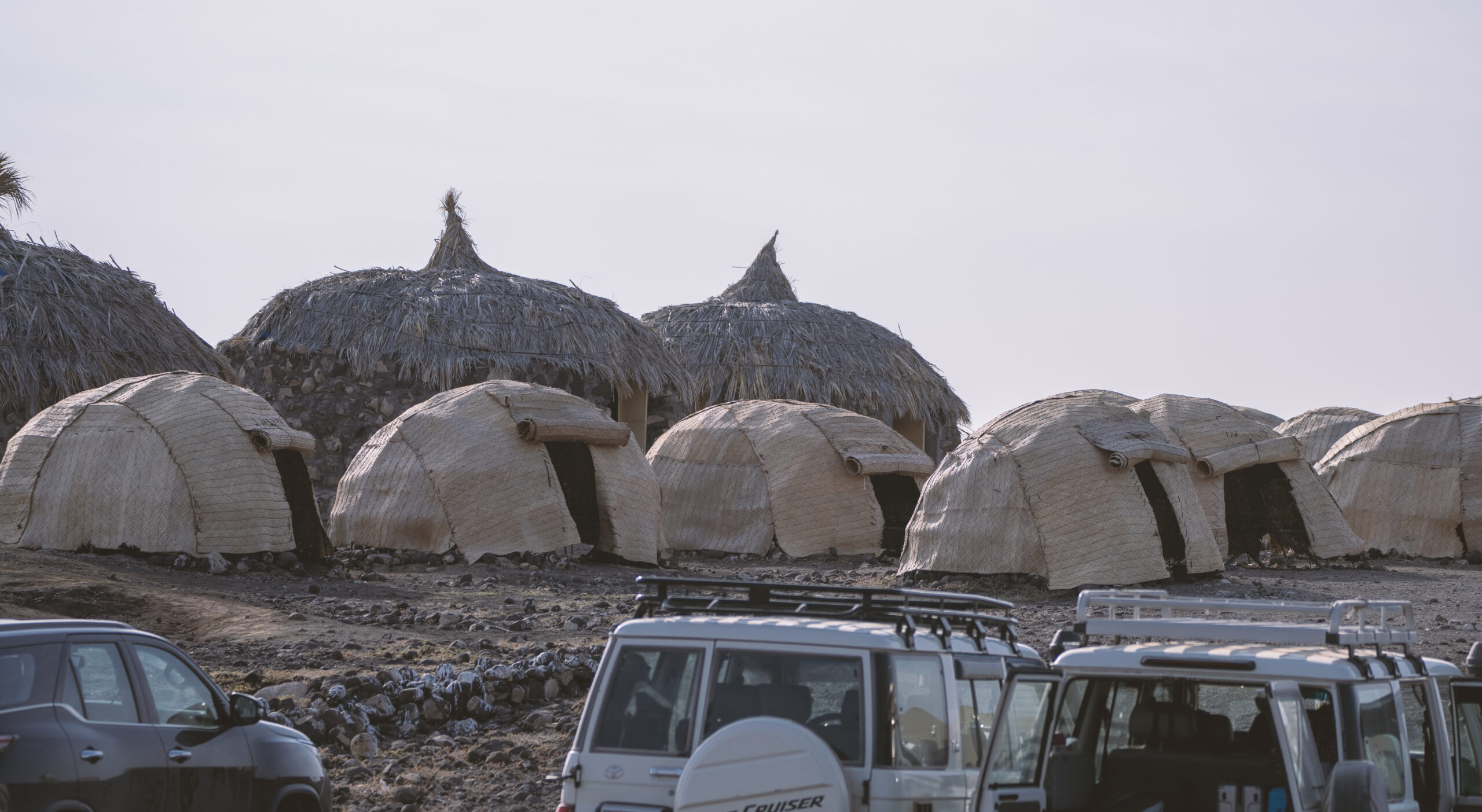
In terms of exploring the area by foot, it is possible and you don`t necessarily need a guide as we initially thought. You can easily walk to the lake from the camp and then, if you walk to the left for about 30 min – 1 hour, you can get to one of the hot springs – the steam is visible from the distance. Just pay attention if it gets too muddy.
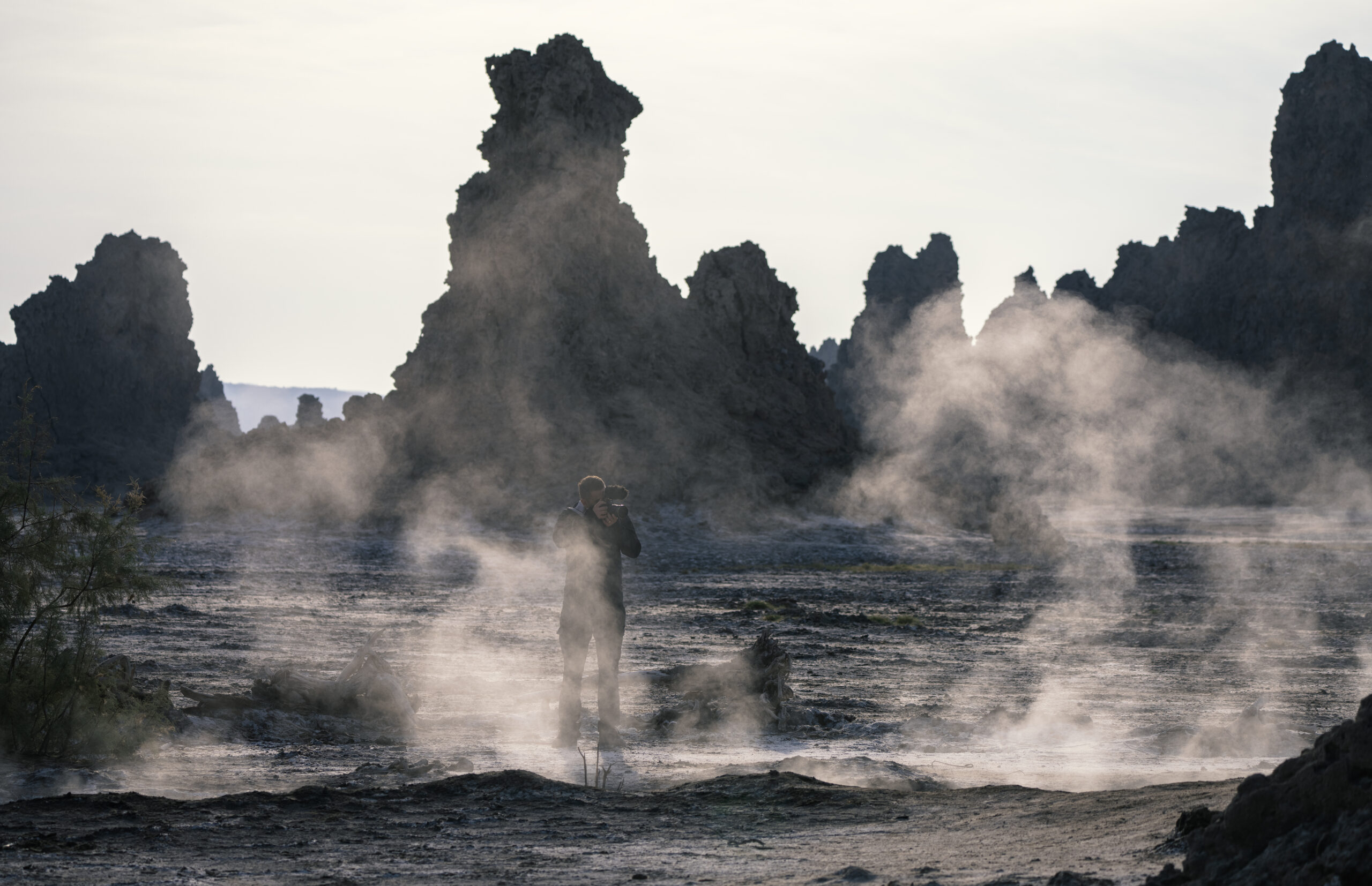
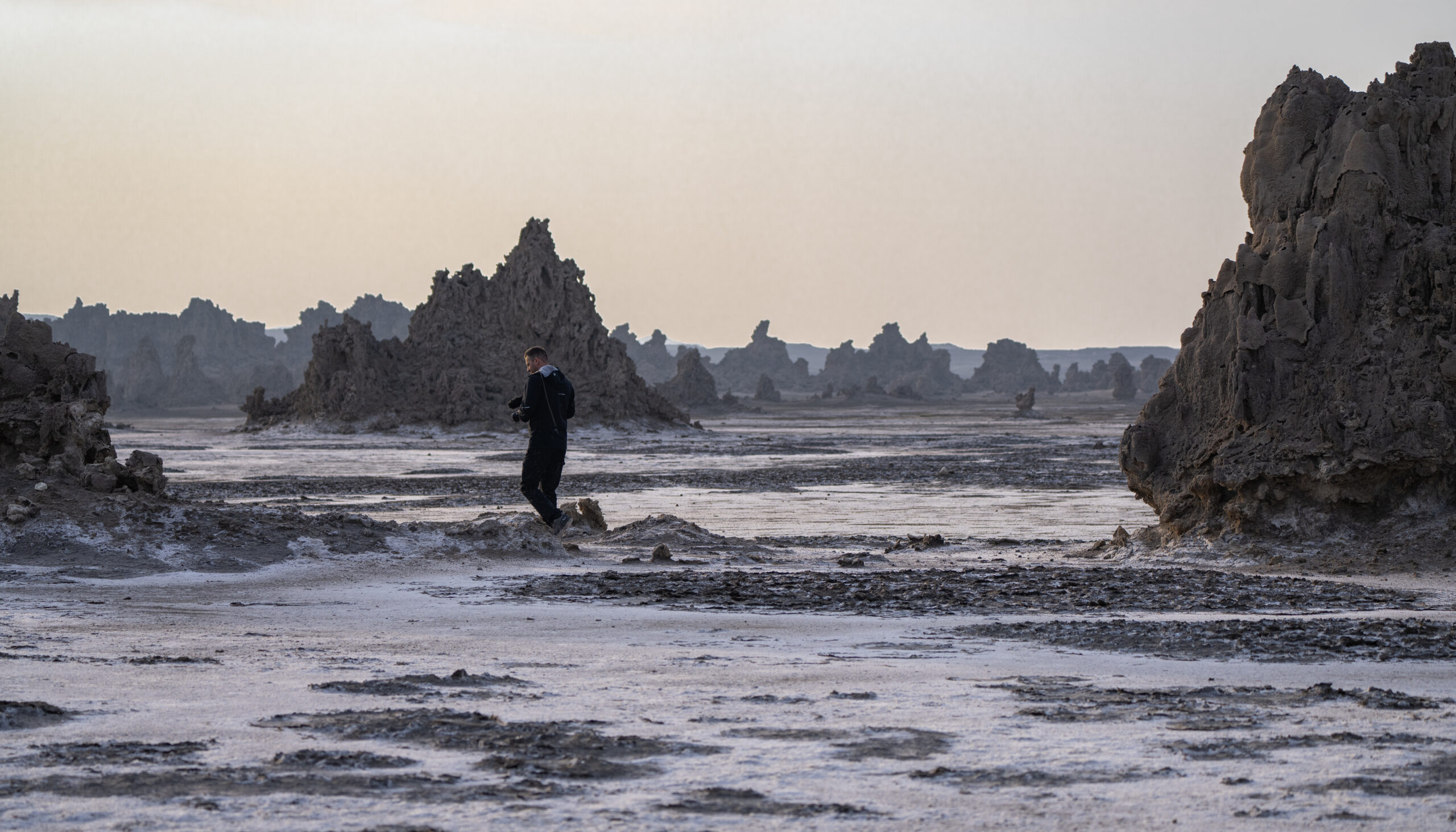
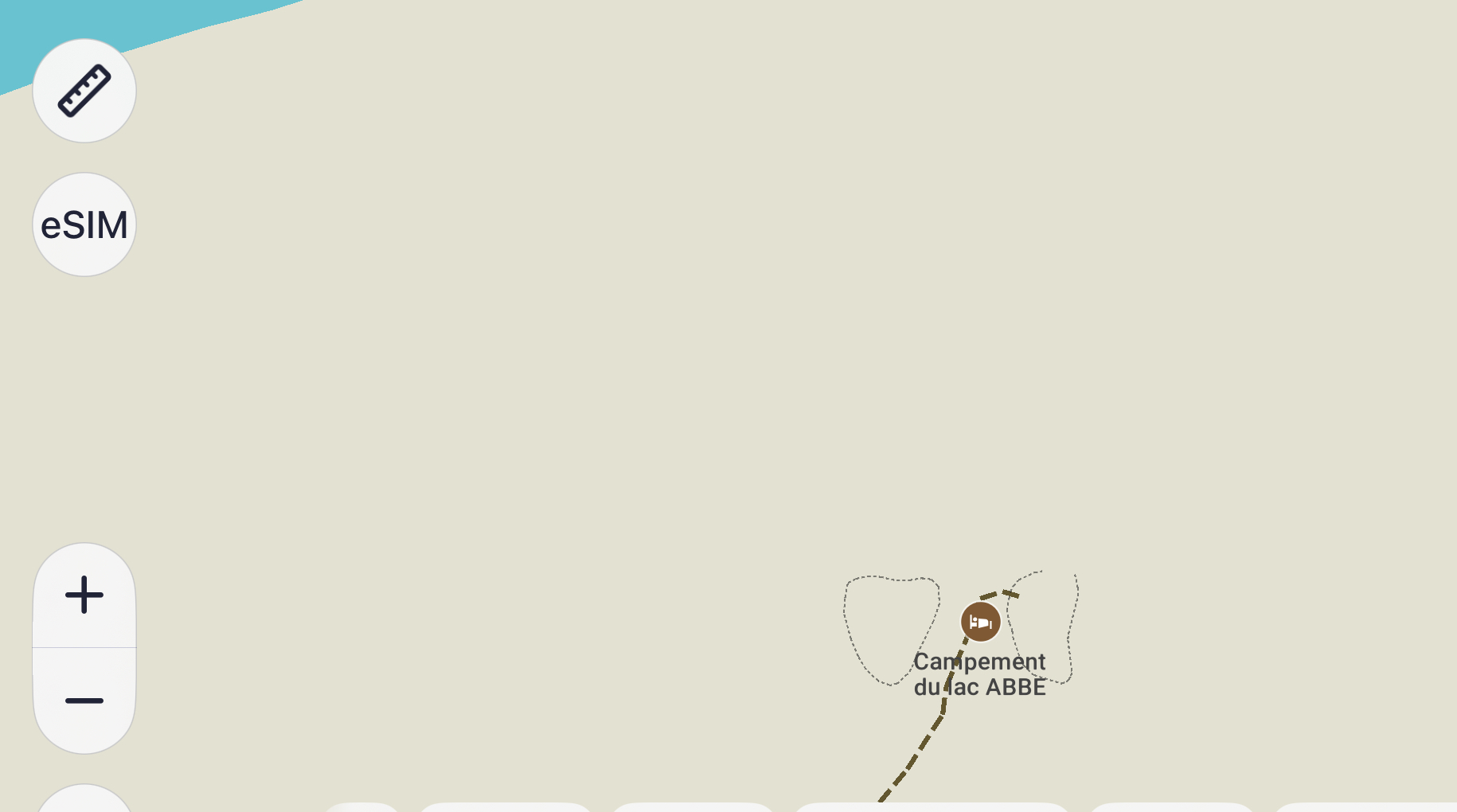
IMPORTANT THING – the inbound way towards the lake it is fairly simple, you just follow Maps.me and visible tracks and it brings you straight there. ON THE WAY back though there is an area in Kouta Bouyya village where there are multiple tracks and it is not as obvious which one to take. We searched a bit around but we eventually managed to find the correct track as we remembered how it looked like the day before. When you get to this area, try to take visual clues as a reminder. The map will look like below.
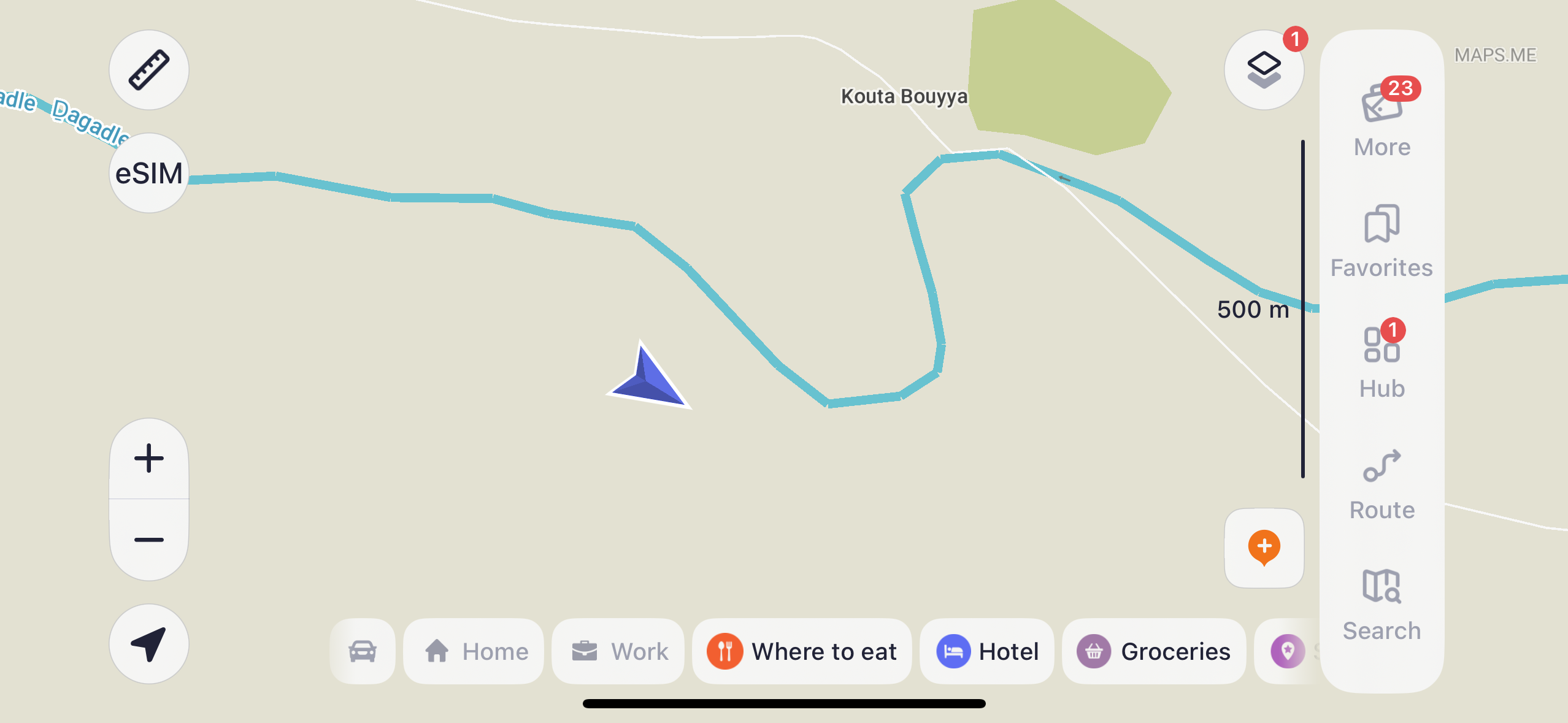
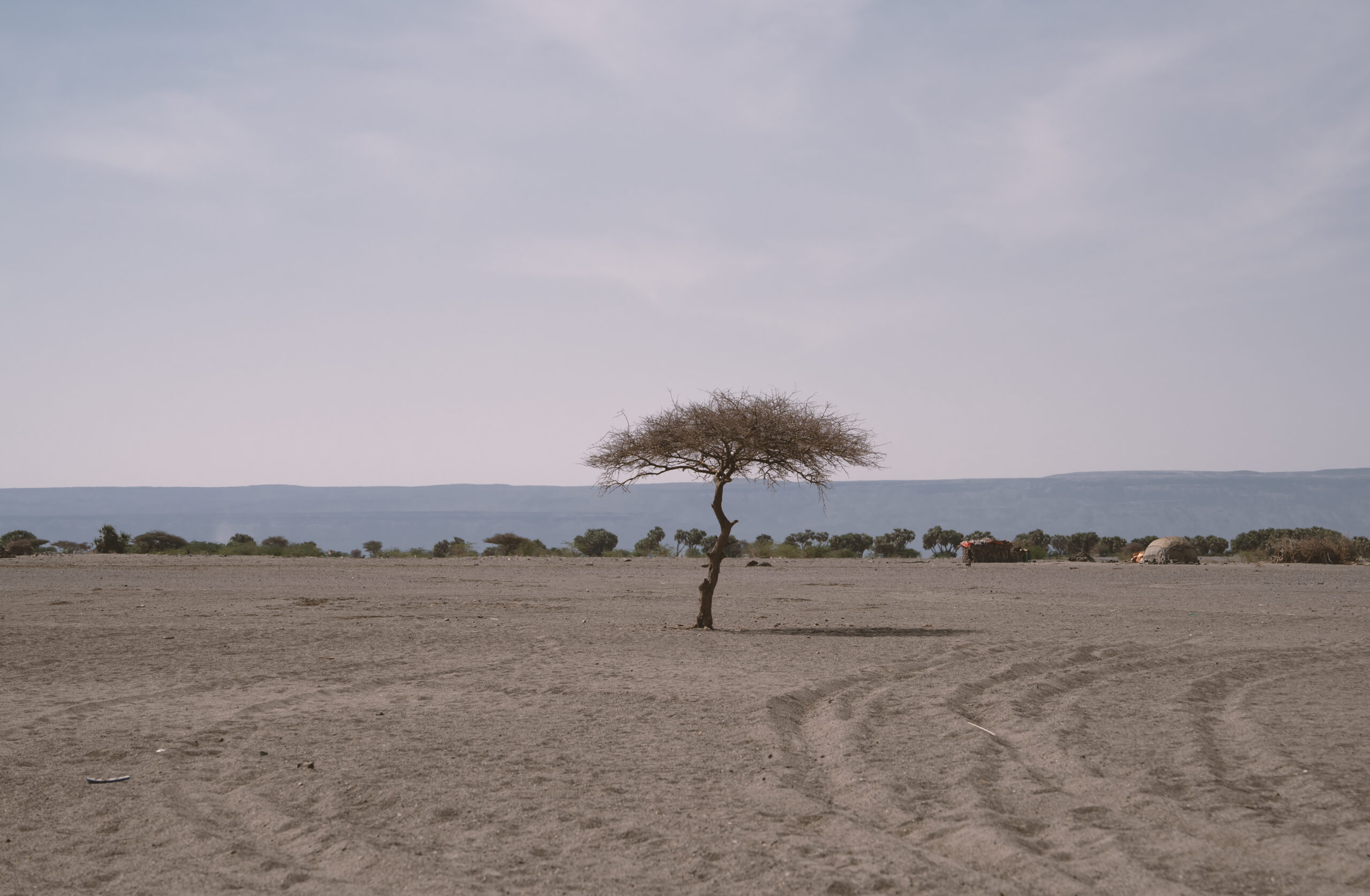
And this is how the track looks like most of the time.

Alternatives to self driving
This blog is pretty much about self driving to various remote destinations. However, we do understand that some of you are not comfortable with off-road driving, navigating in remote places and so on. For those of you who want to go but also want the peace of mind of an agency who organises everything for you or perhaps a guide, here are a couple of good alternatives that we researched.
- Macrobia Expeditions organises Lake Abbe and Lake Assal tours in Djibouti and some other tours in Somaliland. You can have a look here to check for their packages and tours options. Although we did not collaborate with them, they have excellent reviews on Trip Advisor and Google Maps. We are considering them for organising a future trip in Somaliland.
- Another option that popped up few times on Trip Advisor was an independent guide named Moussa. We never got in touch with him but the contact found online is: WhatsApp: +253 77 27 80 15 Email: moussa.ballaq@gmail.com
Diving and/ or snorkelling with whale sharks
IMPORTANT INFO – while these are two different experiences, it is worth doing both. The whale shark trips are only snorkelling trips and usually it is a full day trip. The reason being that whale sharks feed on the surface and it is hard to spot them while diving. Although it is not mentioned in many places, in general, the majority of the whale sharks are in Ghoubbet Al Kharab, but this is pretty far away for a day trip from Djibouti city. Some of the companies provide overnight trips ( more expensive ) or alternatively, you can drive to Ghoubbet and try to speak to the somebody there ( however they mainly speak French and Arrabic and most likely will rip you off ). For the diving itself, tectonic plates are cracking underwater near Djibouti, specifically in the Gulf of Tadjoura, as the African and Arabian plates pull apart, creating a nascent ocean basin at the East African Rift, with dives possible in areas like “The Crack” (La Faille) to witness this rare, ongoing geological event. We found out too late about it, but try to research it. There are not many companies doing the snorkeling/ diving trips. We found 2 and one of them stop answering.
The one that we used – Dolphin Excursions – were super responsive and pretty reliable. We would definitely reccommend them. They do half day diving trips ( aprox 75$ per dive ) and whale sharks excursions ( half day or full day – depending on the number of people, aprox 150$ per person ). These are the cheaper options. Additionally, they do 2-3 day trips in the Ghoubbet bay but these are around 500$ per person ( however, considering a normal hotel is 150$, it doesn`t seem that expensive anymore ). Now we wish we could have done the multi day trip.
We would definitely reccommend doing the multi day trip for the whale sharks and potentially diving in the ” Crack”.
The other company that stopped replying was based in Moucha – Aqua Diving center – but not it appears temporarily closed on Google Maps.
Djibouti city
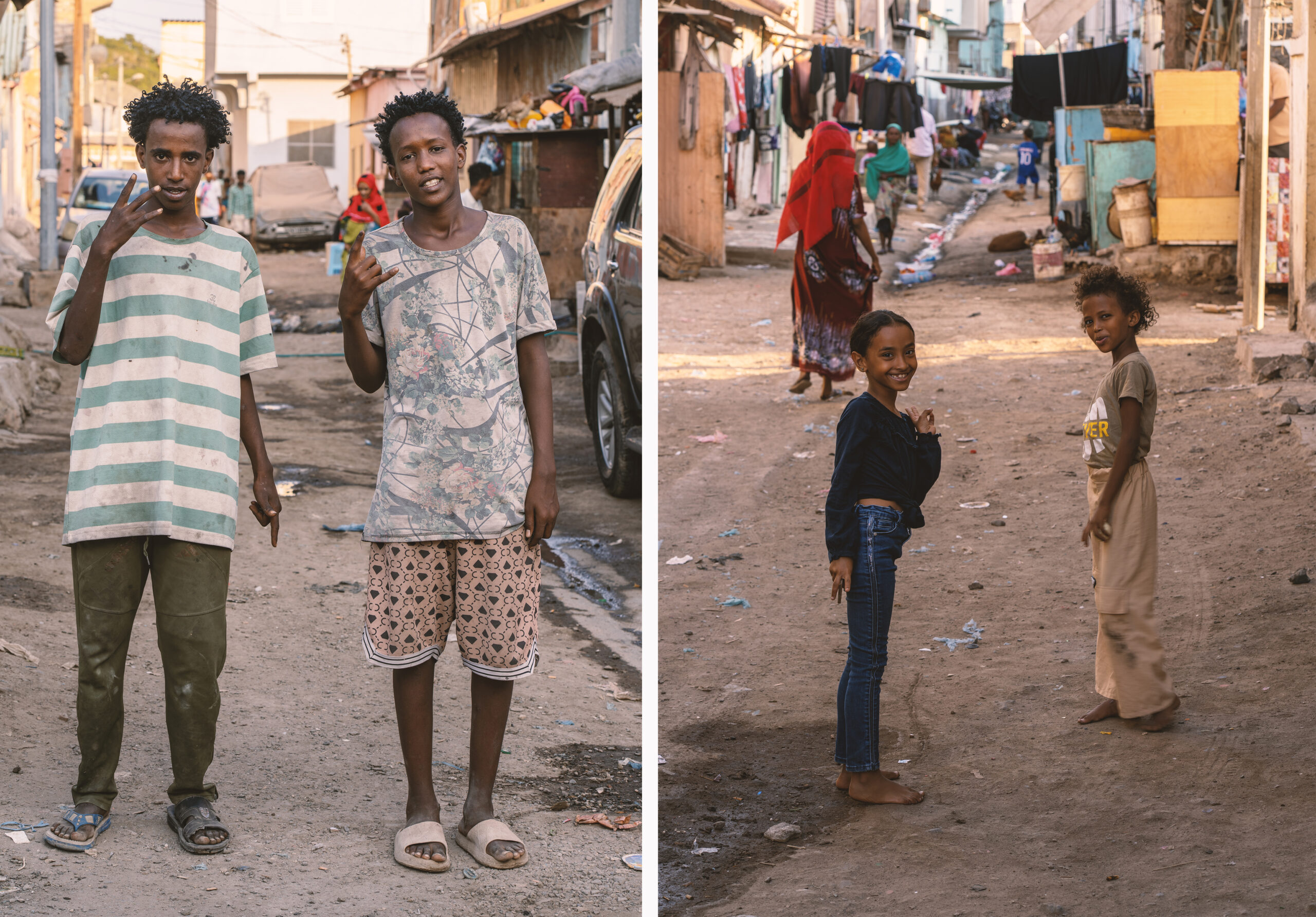
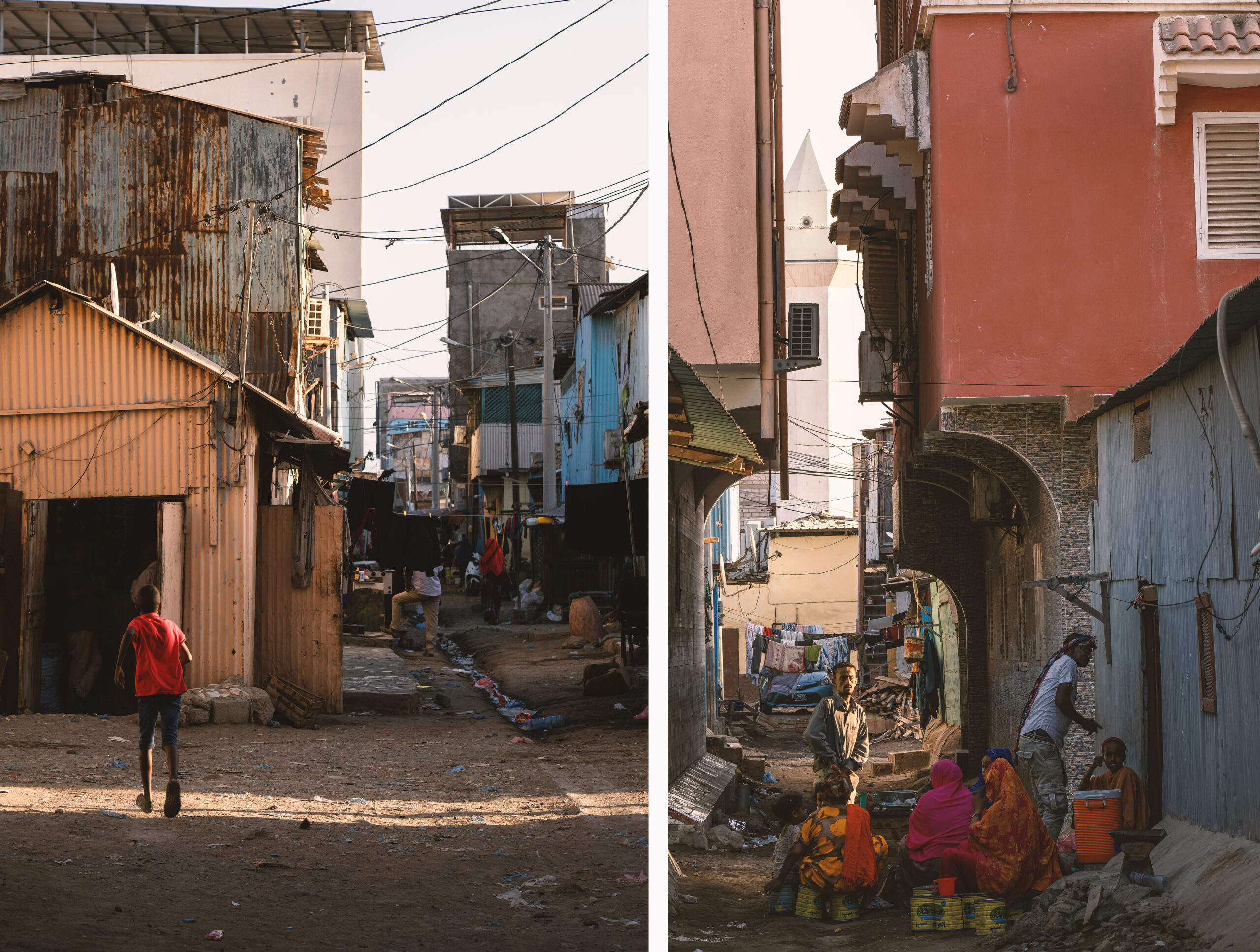
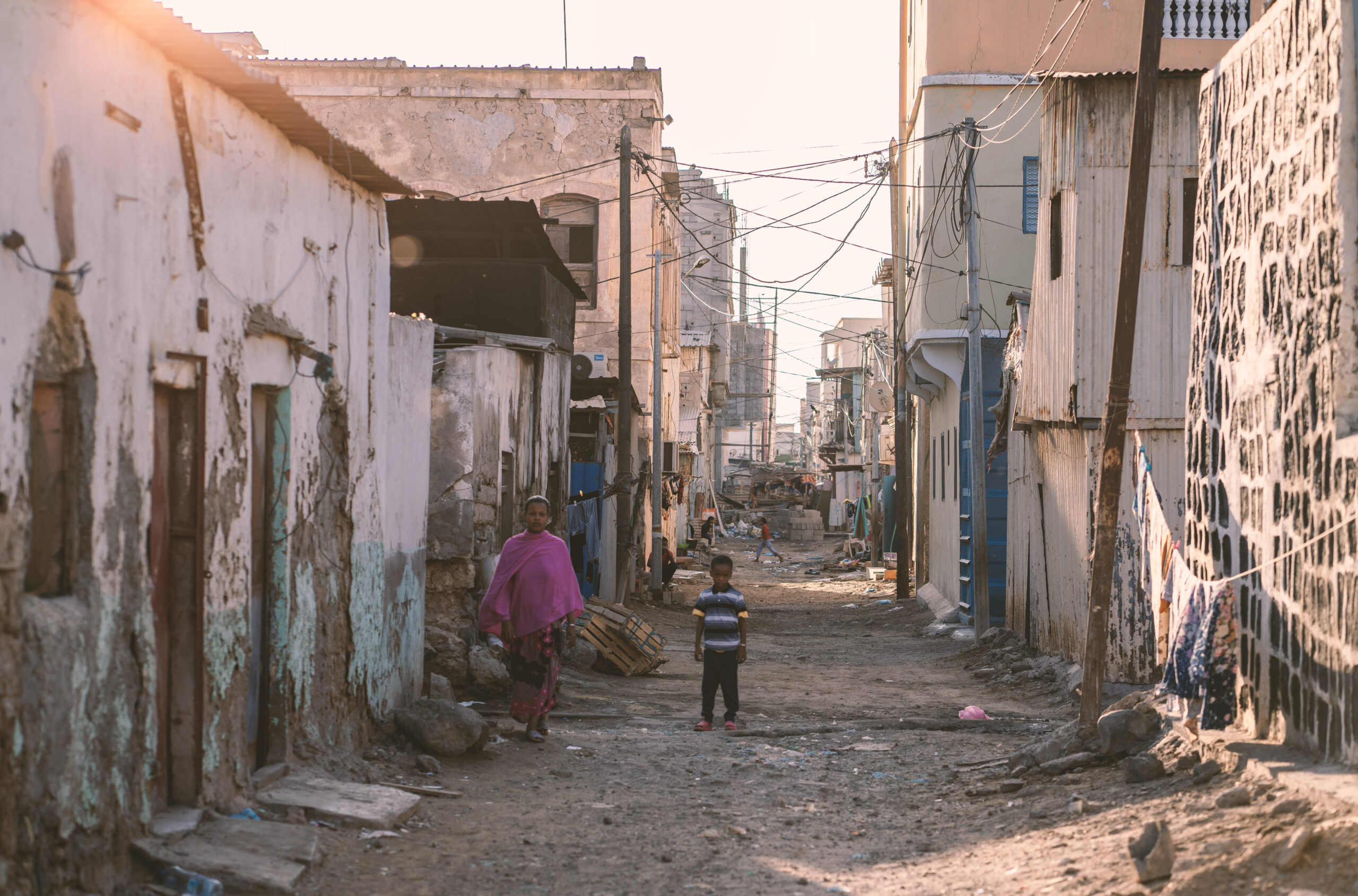
In the capital there is not much to see, really. It is mainly the base for the trips and a logistic point. We went around the city and try to do some portraits but most of the locals where not that friendly. Make sure you dress conservatively, as this is a Muslim country.
The food is not amazing in general, but we found an Indian food place which was great and we would 100% recommend it! It is called Signatures Djibouti. You can easily find it on Google Maps.
Hotels
As mentioned before, hotels are really expensive. You can find some cheaper ones but they are pretty dodgy ( in our opinion ) and they still cost just a bit under 100 $. So, for us, the difference in between having a good and more enjoyable hotel and a bad one is not that big. Also, bear in mind that many of them don`t have hot water for the shower. So we opted for the more expensive ones.
The hotels that we used were:
- Atlantic Hotel in Djibouti City that we wouldn`t reccommend under any circumstances
- Gadileh Resort Hotel in Tadjoura – the only big hotel in town; we were almost alone and felt like renting the entire hotel; pretty decent but still expensive; try to book it on their website rather than Booking.com as it minght be cheaper
- Escale International Hotel in Djibouti City – very good price/ quality ratio – this is one of the best options if you want good quality at a resonable price
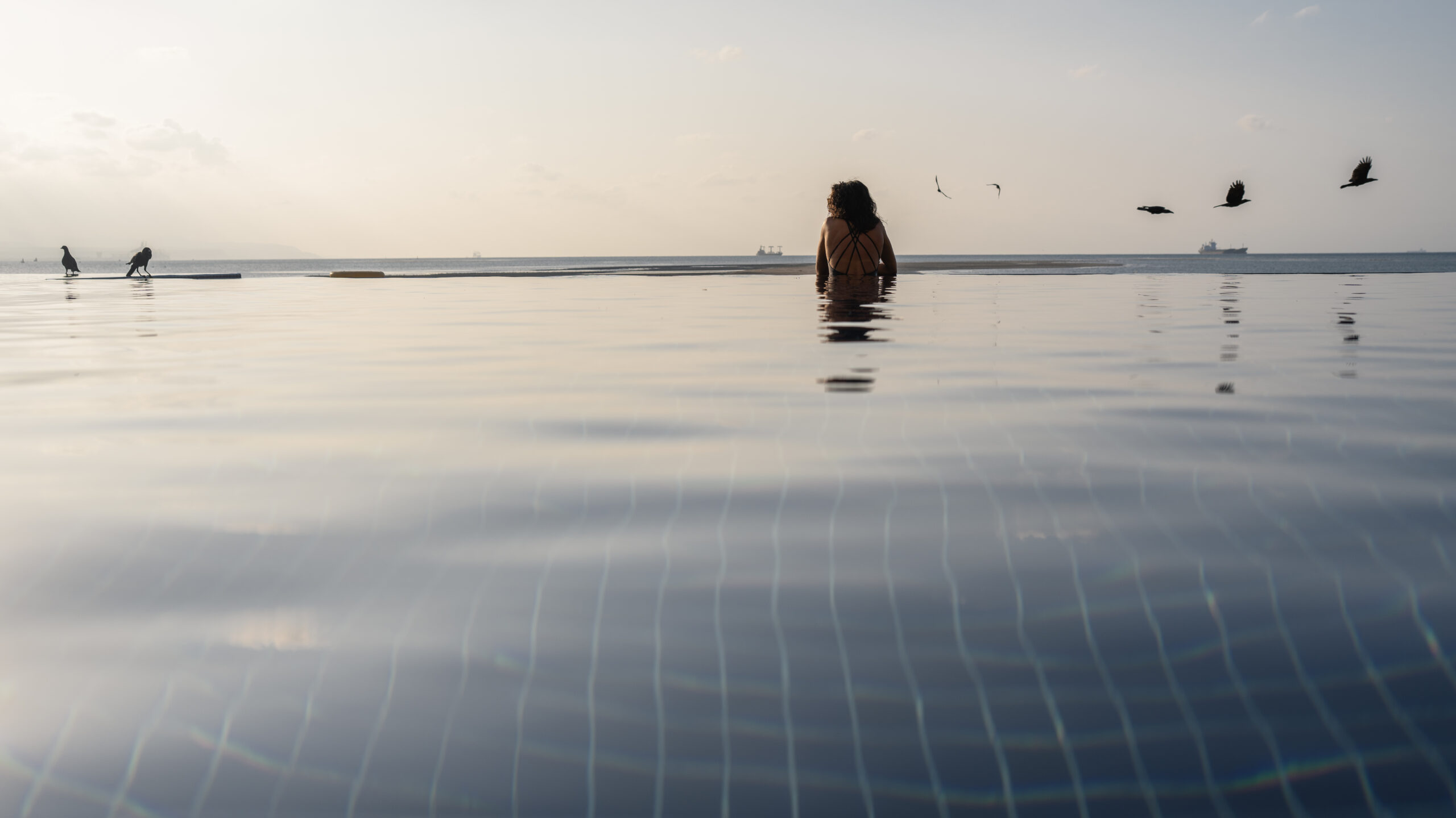
- Kempinski Palace in Djibouti City – pretty expensive but really nice to relax for couple of days; there are only 2 hotels of this kind in Djibouti – Kempinski and Sheraton and they both have similar prices
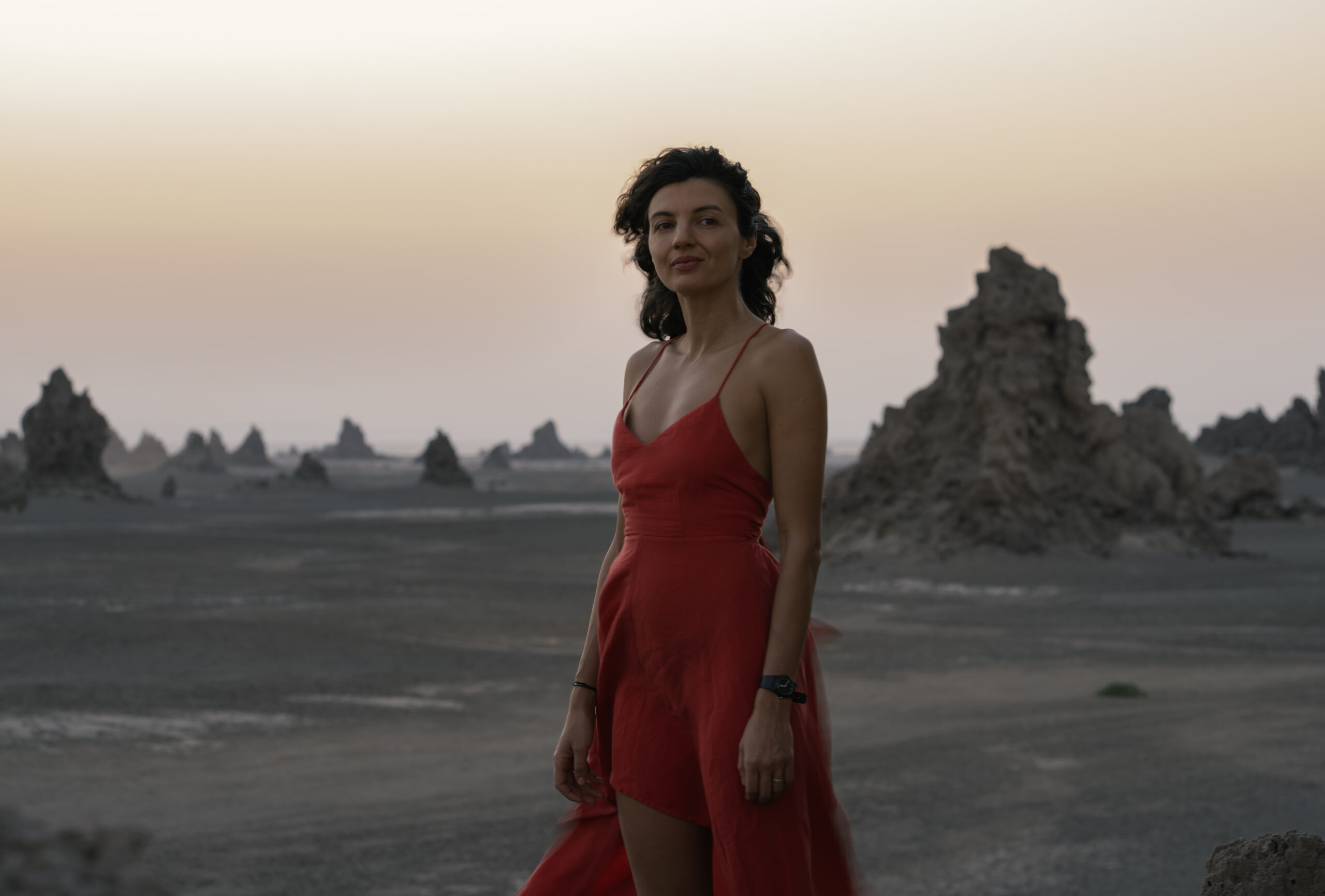
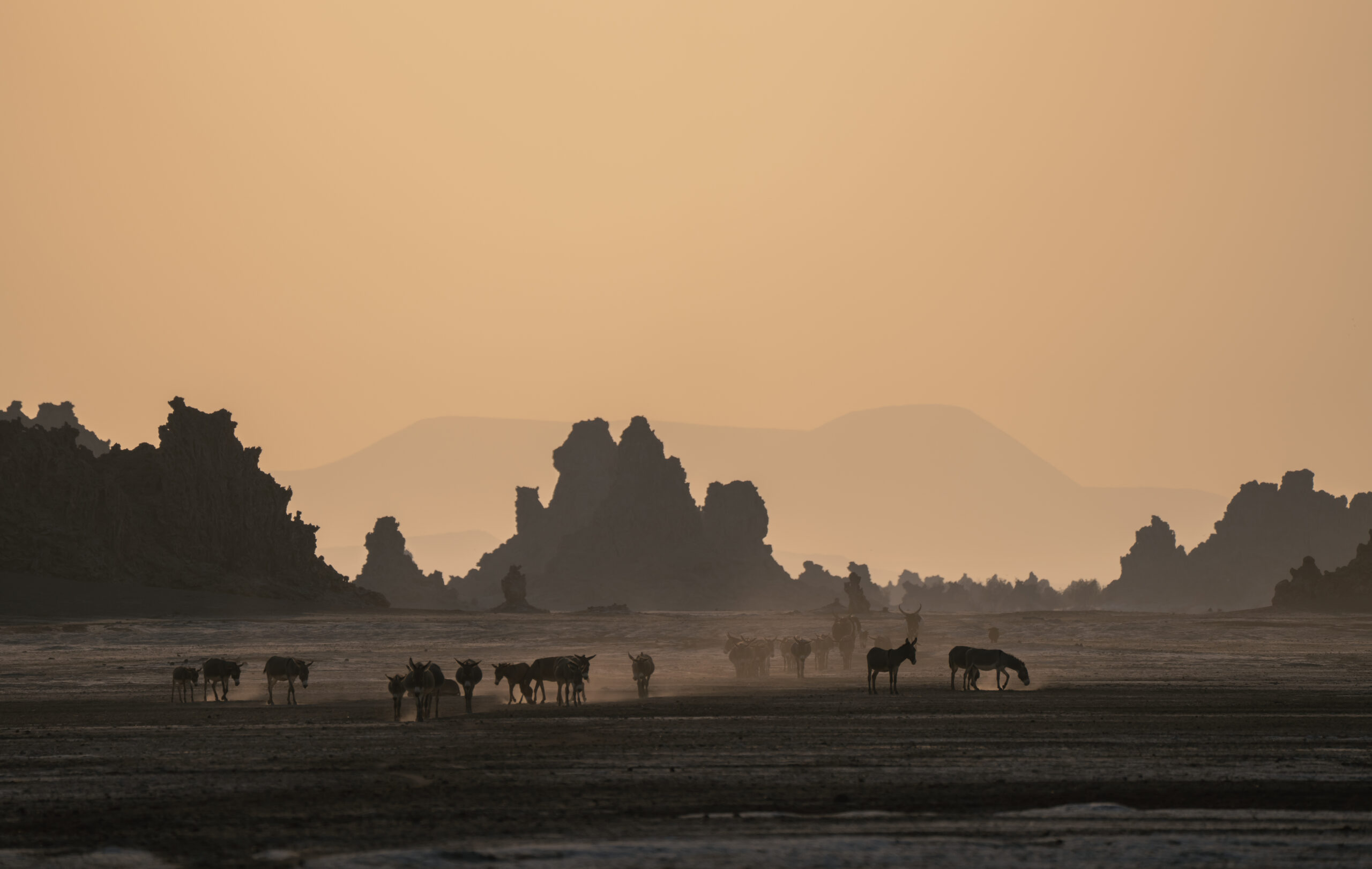
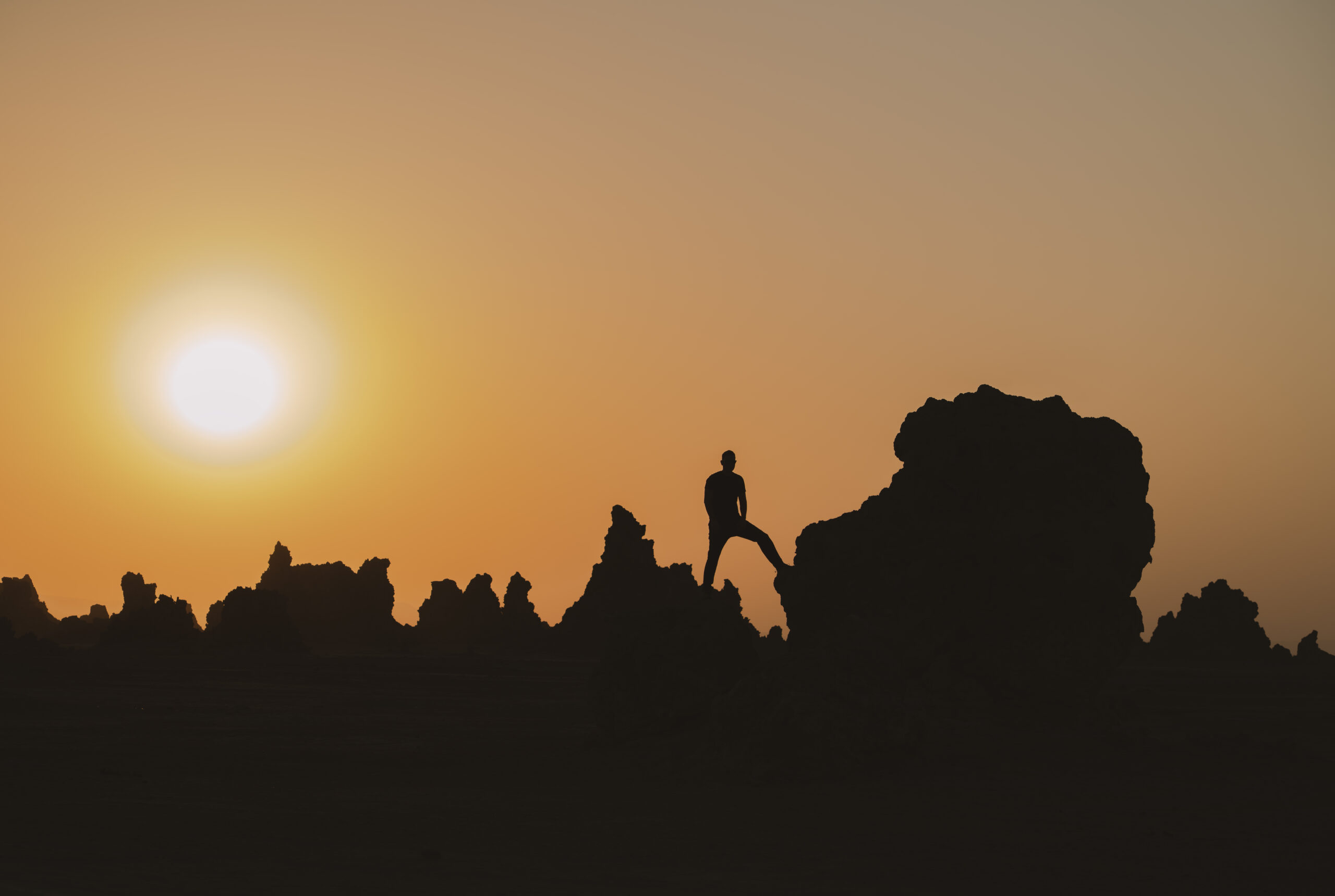
Next, feel free to scroll through our photo gallery. Shot on our new Sony A7RV and using mainly 35 mm, 85 mm and 100-400 mm lenses.